Saudi Action Does Not Lower Crude Prices
Saudi Oil Minister Ali al-Naimi told Reuters that there is no shortage of oil supply globally and that his nation could raise output by 12.5 million barrels a day. The leader of the largest oil producer in the world also said the nation has…


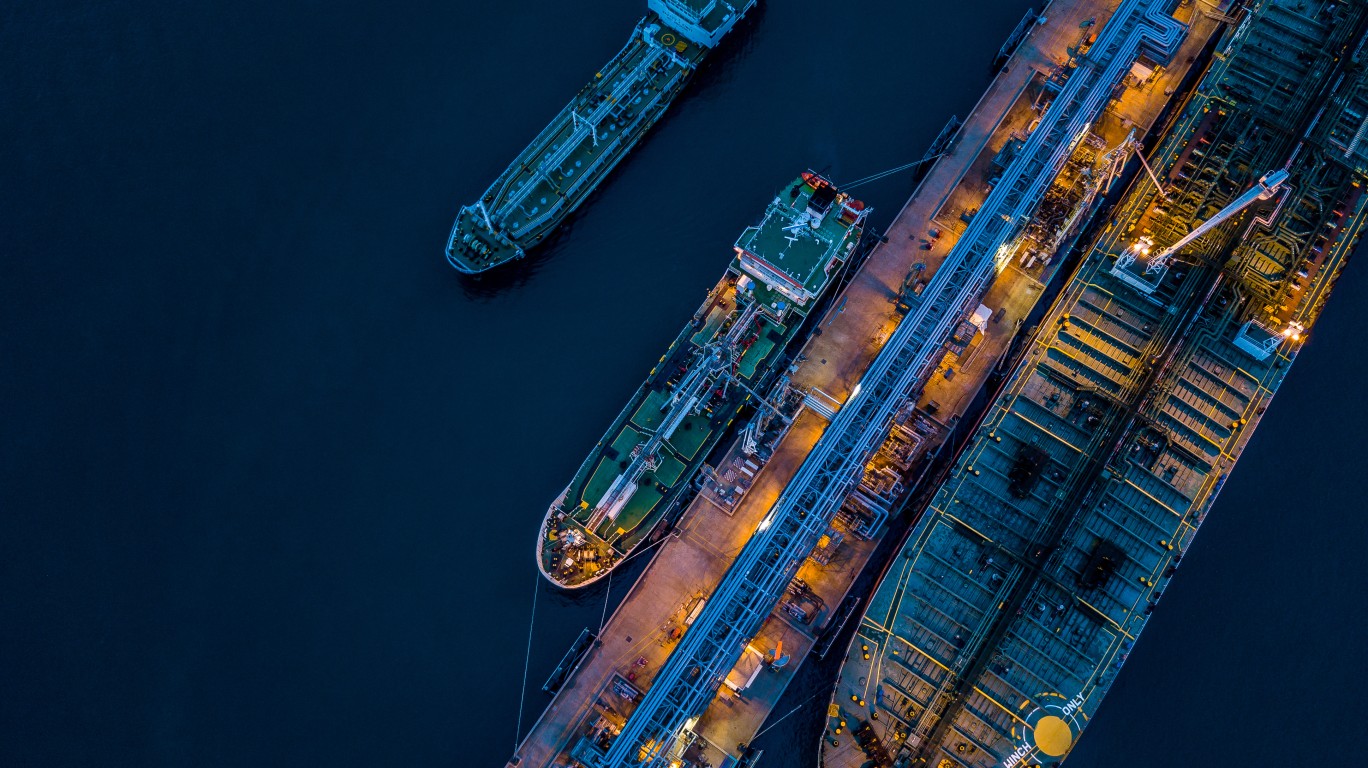
Many of these problems will not be overcome, even if the Saudis double the number of tankers they send to the U.S. and other developed nations. Several events will prevent a drop in oil prices.
U.S. refineries, particularly along the East Coast, have or will shut down because they cannot make a profit on the products they distill from crude. Other capacity is offline as well. Weather and maintenance have cut some exports from oil rich nations. And refinery maintenance is usually not a short-term project.
The main reason oil is high is the improbable chance that the Iranians could try to shut the Strait of Hormuz. Some 20% of the world’s oil exports pass through the strait. The first reaction to this threat was to send a U.S. carrier group close to the strait that would keep Iranian warships out of the area. That may work, but it also could prompt a shooting war. That might draw in Israel and could lead to a widespread, violent and long-term military action. What would happen to oil supply — and price — can only be guessed at. Some speculate that crude would move to $150 or $200 and would remain there for some time.
The Saudis have agreed to export an amount of crude that logically should calm the oil markets. An event that is very unlikely to happen has more than trumped that move.
Douglas A. McIntyre
Contact [email protected] for any questions or corrections.
Douglas A. McIntyre is the co-founder, chief executive officer and editor in chief of 24/7 Wall St. and 24/7 Tempo. He has held these jobs since 2006.
McIntyre has written thousands of articles for 24/7 Wall St. He is an expert on corporate finance, the automotive industry, media companies and international finance. He has edited articles on national demographics, sports, personal income and travel.
His work has been quoted or mentioned in The New York Times, The Wall Street Journal, Los Angeles Times, The Washington Post, NBC News, Time, The New Yorker, HuffPost USA Today, Business Insider, Yahoo, AOL, MarketWatch, The Atlantic, Bloomberg, New York Post, Chicago Tribune, Forbes, The Guardian and many other major publications. McIntyre has been a guest on CNBC, the BBC and television and radio stations across the country.
A magna cum laude graduate of Harvard College, McIntyre also was president of The Harvard Advocate. Founded in 1866, the Advocate is the oldest college publication in the United States.
TheStreet.com, Comps.com and Edgar Online are some of the public companies for which McIntyre served on the board of directors. He was a Vicinity Corporation board member when the company was sold to Microsoft in 2002. He served on the audit committees of some of these companies.
McIntyre has been the CEO of FutureSource, a provider of trading terminals and news to commodities and futures traders. He was president of Switchboard, the online phone directory company. He served as chairman and CEO of On2 Technologies, the video compression company that provided video compression software for Adobe’s Flash. Google bought On2 in 2009.