You've hidden all cards
VME Companies, Inc.VME · Nasdaq
$4–$5 / share
Amendment No. 2 sets a $4 to $5 range for a roughly $18 million Nasdaq IPO
VME Companies pinned a $4 to $5 range on 4 million shares in its second S-1 amendment, putting roughly $18 million on the table ahead of a Nasdaq debut. Kingswood Capital Partners is running the book, and a set price range is usually the last step before terms go final.
Source: SEC filingQ3 2026
EPS
$0.91
est $0.89+2.3%
Revenue
$2.74B
est $2.74B-0.2%
Margins are carrying Alcon: gross margin expanded to 59.7% from 56.3%, helped by $58 million in tariff refunds, enough to beat on earnings even with revenue landing just under estimates. Management tightened full-year guidance to about 6% constant-currency sales growth and 12% to 14% core EPS growth, so the durability of that margin lift is the thing to track.
Loading…
One launch on the day, and it is another income product: the FT Vest Equity Target Income Plus 0-3 Month Treasury ETF pairs equity income with a T-bill sleeve at 0.65% net. It lands on an already crowded Vest target-income shelf next to the Dividend Aristocrats and Dogs of the Dow versions.
Q4 2026
EPS
$0.04
est $0.05-$0.01
Revenue
$344M
est $340M+1.2%
Memory chips are now Sonos's biggest problem: $56 million of higher costs absorbed in fiscal 2026 pulled non-GAAP gross margin to 42.1% from 45.1%, and earnings missed expectations even as revenue rose about 20% year over year and topped estimates. Management says the component squeeze persists, with a fresh $150 million buyback and the Sonos 27 launch as the offsets.
Loading…
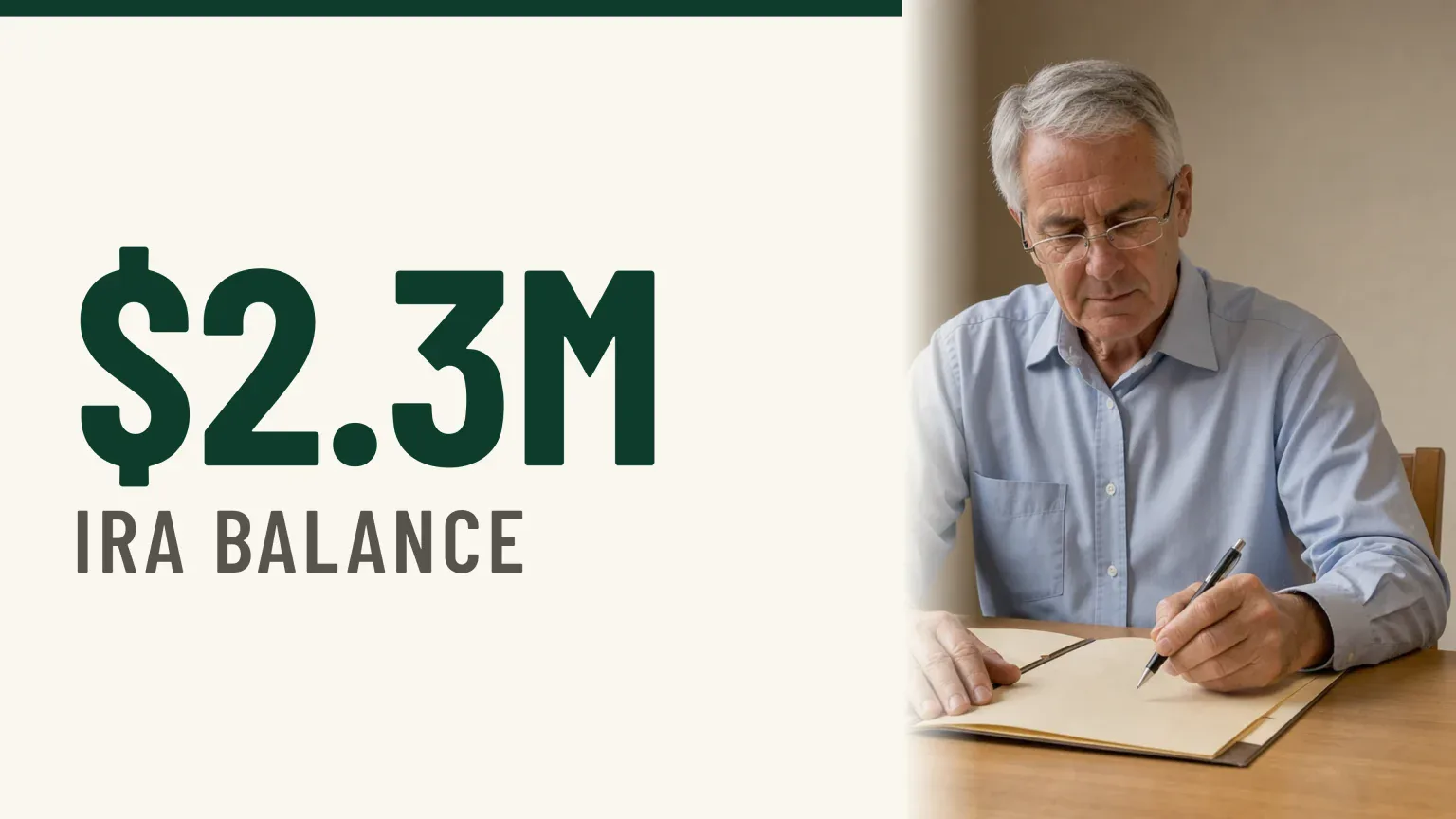
What Does Nvidia’s Selloff Mean for a 68-Year-Old With $940,000 of a $2.3 Million IRA in the Stock?

NVIDIA (NASDAQ:NVDA | NVDA Price Prediction) fell another 6.41% in Tuesday’s session to $167.22. That adds to a 17.24% slide over the past week and a 27.07% drop over the past month. Take a hypothetical 68-year-old married retiree, filing jointly, with a $2.3 million traditional…
Sponsored

He Collects Toyota Dividends at 66 While Drawing Social Security. His Checks Won’t Shrink, Yet Up to 85% Could Become Taxable

Toyota just promised shareholders $89 billion, and a 66-year-old retiree collecting Social Security wonders what that means for his monthly check. Two separate sets of rules answer that question, and one of them quietly catches people off guard.
American Barrick Gold CorpABGC · NYSE
American Barrick Gold files S-1 for NYSE listing
A new pure-play US gold name is headed for the NYSE: American Barrick Gold filed its S-1, with Goldman Sachs, BofA, Citi and RBC running the deal. Terms and deal size are not set yet, so the price range in the next amendment is the number that matters.
Source: SEC filingGainers
Losers
Nearly 48 points separated the best and worst names in a 383-stock universe at the close, with Digital Turbine's 37% drop setting the floor. Take-Two's 8% gain came a day after its quarterly filing, while Hims & Hers kept sliding on its Q3 miss.
Q3 2026
EPS
-$1.27
est -$1.55+18.2%
Revenue
$3.66B
est $3.54B+3.4%
Management raised full-year 2026 guidance to $13.0 to $13.3 billion, the number that decides whether the buildout pays off. After a 42% slide, this earnings report is the catalyst holders have been waiting on.
Loading…
Our growth is supported by multiple sources of funding, including financing backed by customer contracts, operating cash flow, and approximately $9 billion in customer prepayments and deposits expected in the next three months alone.
Intrator is answering the question hanging over every neocloud: who pays for the buildout. Customers fronting cash before the GPUs are even delivered is a funding source that does not show up as debt, and it lands with CoreWeave's market cap at $22.4 billion after a brutal stretch for the stock.
Sponsored
This was a breakout quarter for CoreWeave, with revenue increasing by more than $1 billion sequentially and adjusted operating margins reaching double digits a quarter ahead of plan.
Profitability arrived a quarter early, which is the part shareholders sitting on a 42% drawdown have been waiting for. Intrator's Q3 framing puts the scaling debate back on CoreWeave's terms heading into the call.
Q3 2026
EPS
-$0.06
est -$0.05-$0.01
Revenue
$1M
est $4M-59.9%
Revenue came in roughly 60% below expectations, and the entire $20 million full-year target now rests on customers signing off on the C-DAC system in the fourth quarter.
Loading…