Crude Oil Prices: $70 Is the New $100
Break-even production costs in North American oil fields have dropped to an average of around $52 a barrels.


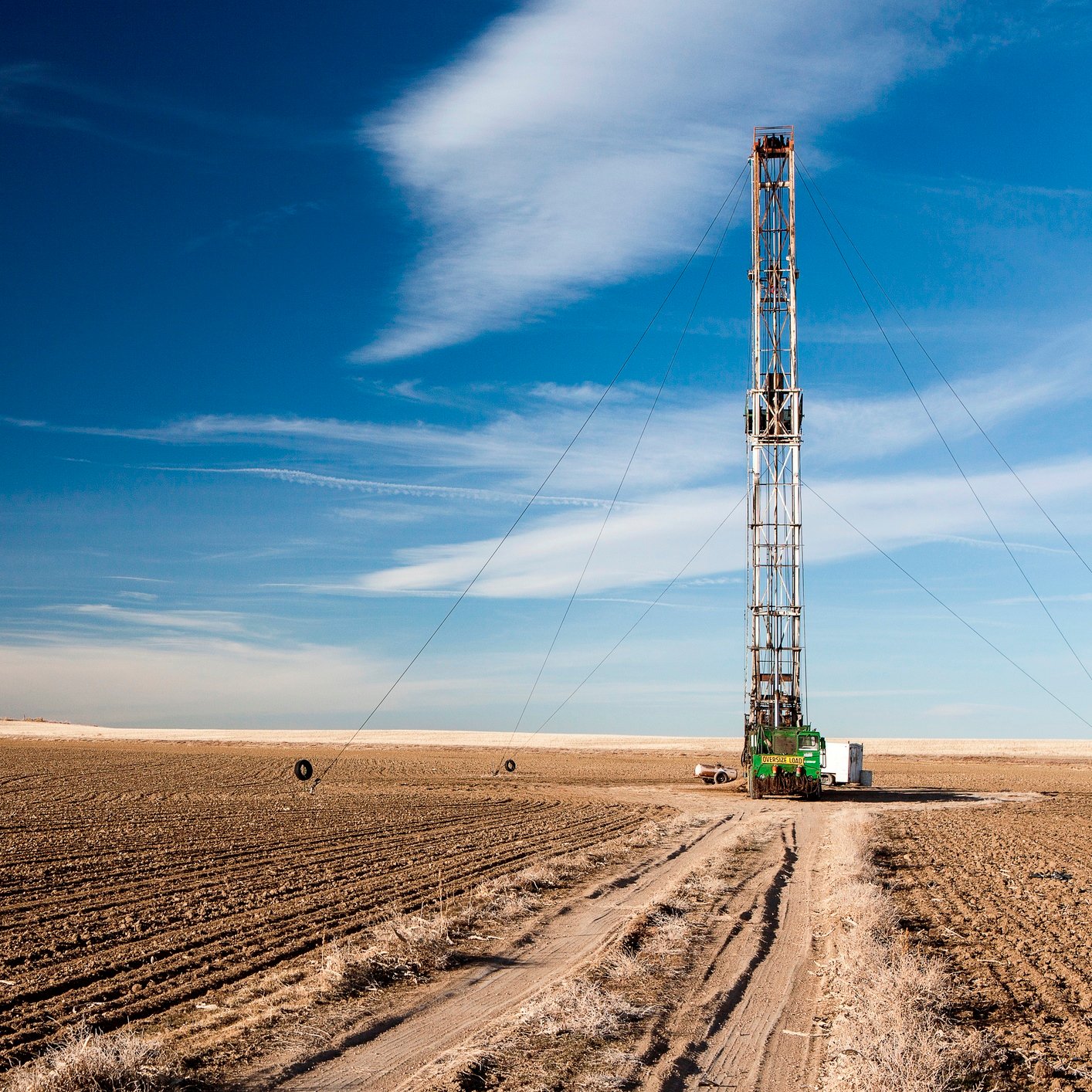
When Saudi Arabia persuaded its fellow OPEC members in December 2014 to produce more oil as a response to the falling price of crude, the idea was to drive out the high-cost producers, primarily in the U.S. shale patch. To some degree that worked, as many companies, especially those who had borrowed heavily and couldn’t make money when prices fell below $40 a barrel filed for bankruptcies.
But that oil they were chasing is still there, and in many North American shale plays, the cost to extract that oil has dropped from around $70 a barrel to below $50 a barrel. According to energy industry consultancy Wood Mackenzie, the average North American shale play’s break-even price is now below $50 a barrel, with break-even prices in some fields (the Wolfcamp formation in the Permian Basin, for example) below $30 a barrel.
Even deepwater production from the Gulf of Mexico has fallen for all but the deepest water. Wood Mac’s estimated range of break-even pricing for the Gulf’s shallow water subsalt Miocene runs from about $32 a barrel to $52 a barrel.
On top of production we need to add in overhead and interest charges and transportation costs. Overhead costs are roughly $4 a barrel no matter where in North America a barrel is produced. Transportation costs, however, are a different story.
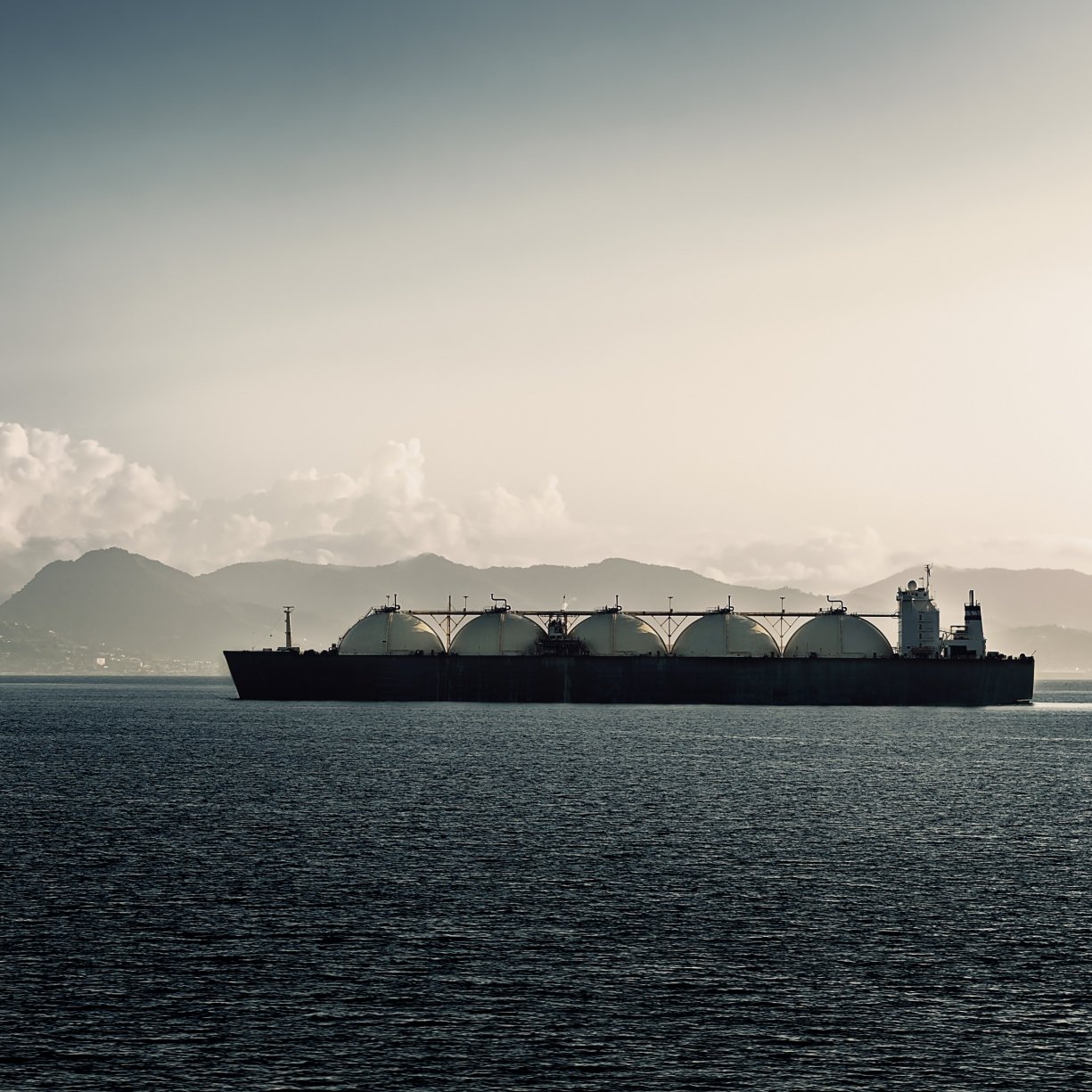
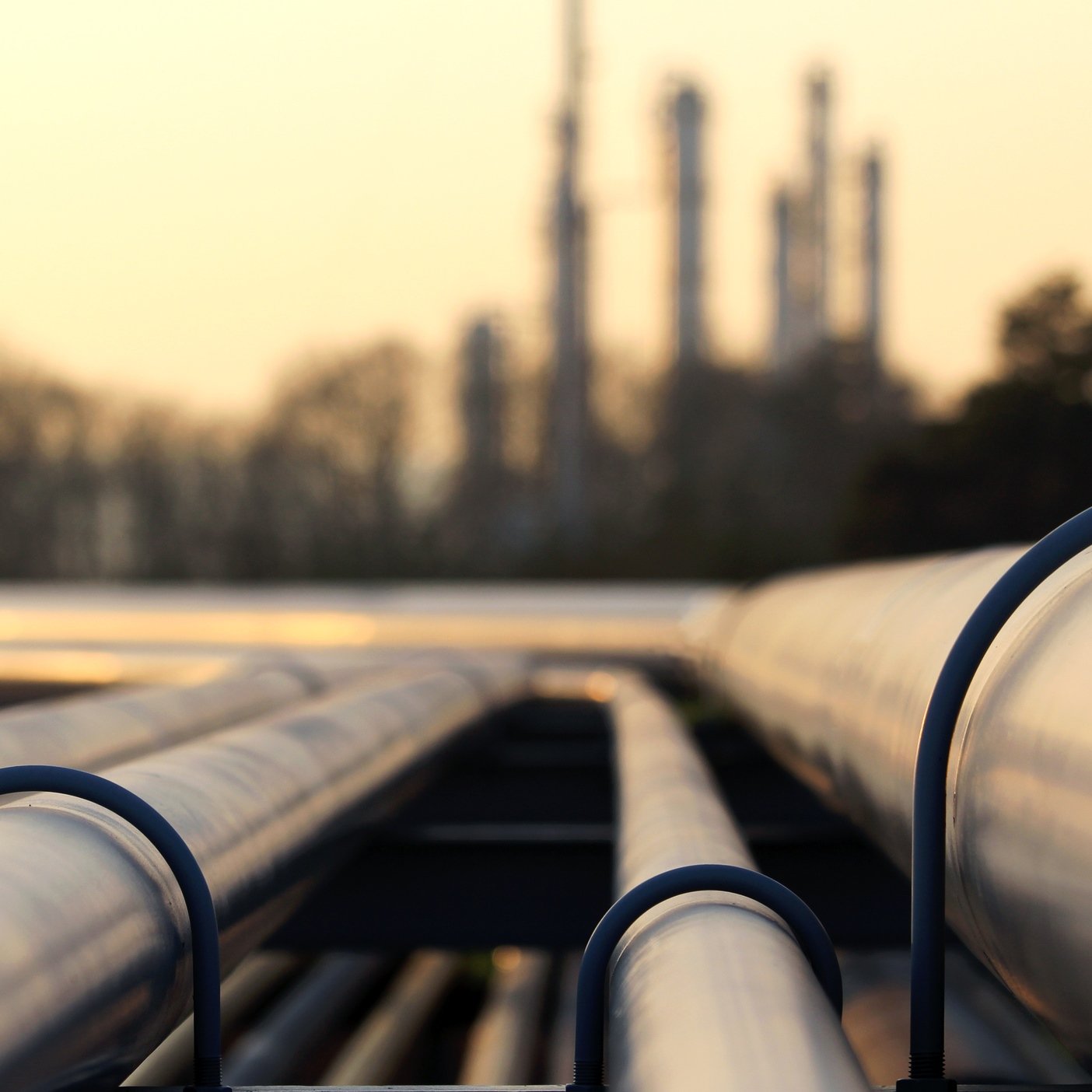
A barrel of Permian Basin crude may cost just $3 to get to the Gulf Coast refineries and export terminals. A barrel of Bakken crude may cost up to $12 a barrel to ship by rail to the U.S. east coast. That Bakken barrel costs about $52 to produce, so the all-in cost of a barrel is about $68 on average.
What this means for the price of U.S. crude oil is that it is expected to remain well below the $100 per barrel levels of the last decade.
Contact [email protected] for any questions or corrections.
Paul Ausick has been writing for 247Wallst.com for more than a decade. He has written extensively on investing in the energy, defense, and technology sectors. In a previous life, he wrote technical documentation and managed a marketing communications group in Silicon Valley.
He has a bachelor's degree in English from the University of Chicago and now lives in Montana, where he fishes for trout in the summer and stays inside during the winter.