Is Robinhood Getting Off Easy From SEC Charges?
Robinhood has been a source of controversy on Wall Street for years now, and this is all coming to a head with the most recent charges from the SEC.

This post may contain links from our sponsors and affiliates, and Flywheel Publishing may receive compensation for actions taken through them.

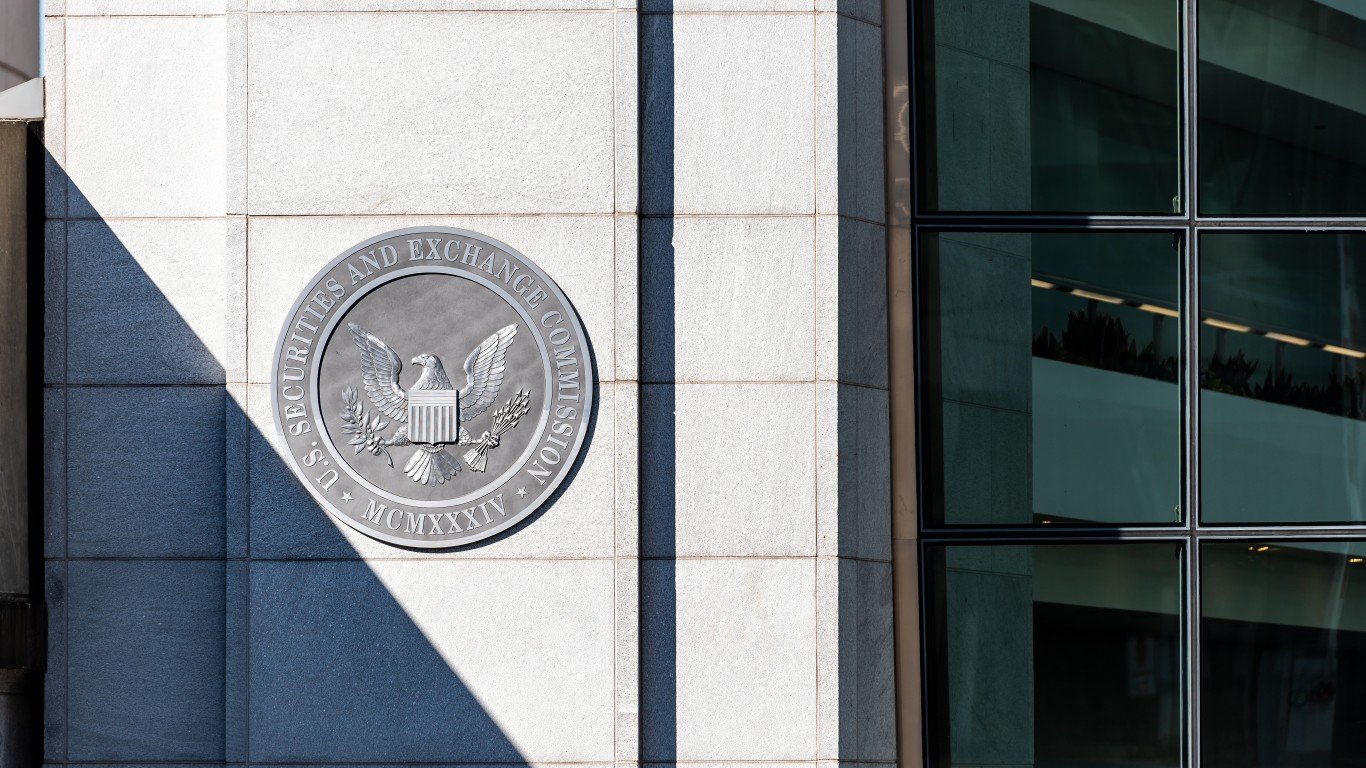
Robinhood has been a source of controversy on Wall Street for years now, and this is all coming to a head with the most recent charges from the U.S. Securities and Exchange Commission (SEC). Although Robinhood offers a quick, easy and cheap way for investors to play the market, there are questions as to whether the firm misled customers about its revenue sources.
The SEC charged Robinhood for repeated misstatements that failed to disclose the firm’s receipt of payments from trading firms for routing customer orders to them, as well as with failing to satisfy its duty to seek the best reasonably available terms to execute customer orders.
Between 2015 and late 2018, Robinhood made misleading statements and omissions in customer communications, including in FAQ pages on its website, about its largest revenue source when describing how it made money — namely, payments from trading firms in exchange for Robinhood sending its customer orders to those firms for execution, also known as “payment for order flow.”
There has been a debate surrounding this for a while. Robinhood offers zero-commission trades and was one of the very first platforms to do so, but in the process the firm ran its order flow through high-frequency trading firms like Citadel. In short, there are some advantages and disadvantages to this, but many seasoned traders have looked down on such operations as a means of gouging traders.
As the SEC’s order finds, one of Robinhood’s selling points to customers was that trading was “commission free,” but due in large part to its unusually high payment for order flow rates, Robinhood customers’ orders were executed at prices that were inferior to other brokers’ prices.
Even further, the order found that Robinhood provided inferior trade prices that in aggregate deprived customers of $34.1 million, even after taking into account the savings from not paying a commission. Robinhood made these false and misleading statements during the time in which it was growing rapidly.
Without admitting or denying the SEC’s findings, Robinhood agreed to a cease-and-desist order and agreed to pay a $65 million civil penalty.
Contact [email protected] for any questions or corrections.
Chris Lange is a financial and geopolitical writer with more than a decade of experience covering a myriad of topics. He has published thousands of articles for 24/7 Wall St., with past coverage focused heavily on stocks, IPOs, healthcare, defense, global affairs, and technology.
His work has been quoted, or referenced by a number of outlets including Business Insider, USA Today, Yahoo Finance, MSN, The Motley Fool, and many other publications. A graduate of Southwestern University, he studied business with a focus on investments and has previous experience in banking and startups.
When not reading or writing the news, he is following his passion for Lacrosse, playing chess, or building solar projects with his dad.