US Steel’s Struggles: A Potential Buyout Blocked by National Security Concerns
: U.S. Steel is struggling financially and needs a buyer, with Nippon Steel offering a potential solution. The Biden administration is likely to block the deal, citing national security concerns. Without the buyout, U.S. Steel may face layoffs and closures.…

This post may contain links from our sponsors and affiliates, and Flywheel Publishing may receive compensation for actions taken through them.

Key Points:
- U.S. Steel is struggling financially and needs a buyer, with Nippon Steel offering a potential solution.
- The Biden administration is likely to block the deal, citing national security concerns.
- Without the buyout, U.S. Steel may face layoffs and closures.
- Smart investors are looking ahead to 2025 and placing bets, with a few being called “the Next Nvidia.” See for yourself.
The Longstanding Challenges of the U.S. Steel Industry
- The U.S. steel industry has faced decades of difficulties, with Japan often blamed for dumping cheap steel into the U.S. market, leading to tariffs and trade disputes.
- A parallel can be drawn with the tire industry, where Japanese company Bridgestone bought Firestone, stabilizing the market and fostering long-term success.
U.S. Steel’s Decline and the Potential Buyout
- U.S. Steel has been a struggling company for years, recently entering the market to find a buyer willing to purchase the company at a premium.
- Nippon Steel, a well-run Japanese company, offered to buy U.S. Steel, proposing to keep operations in Pittsburgh, which was seen by some, including Larry Kudlow, as a positive move for the company and its employees.
Government Intervention and National Security Concerns
- Despite the potential benefits of the deal, the U.S. government, under President Biden, appears poised to block the buyout due to national security concerns, even though Japan is a key U.S. ally.
- There is confusion and debate over the rationale behind these national security concerns, especially since the deal involves a Japanese company rather than one from a more adversarial nation like China.
The Impact on U.S. Steel and Its Employees
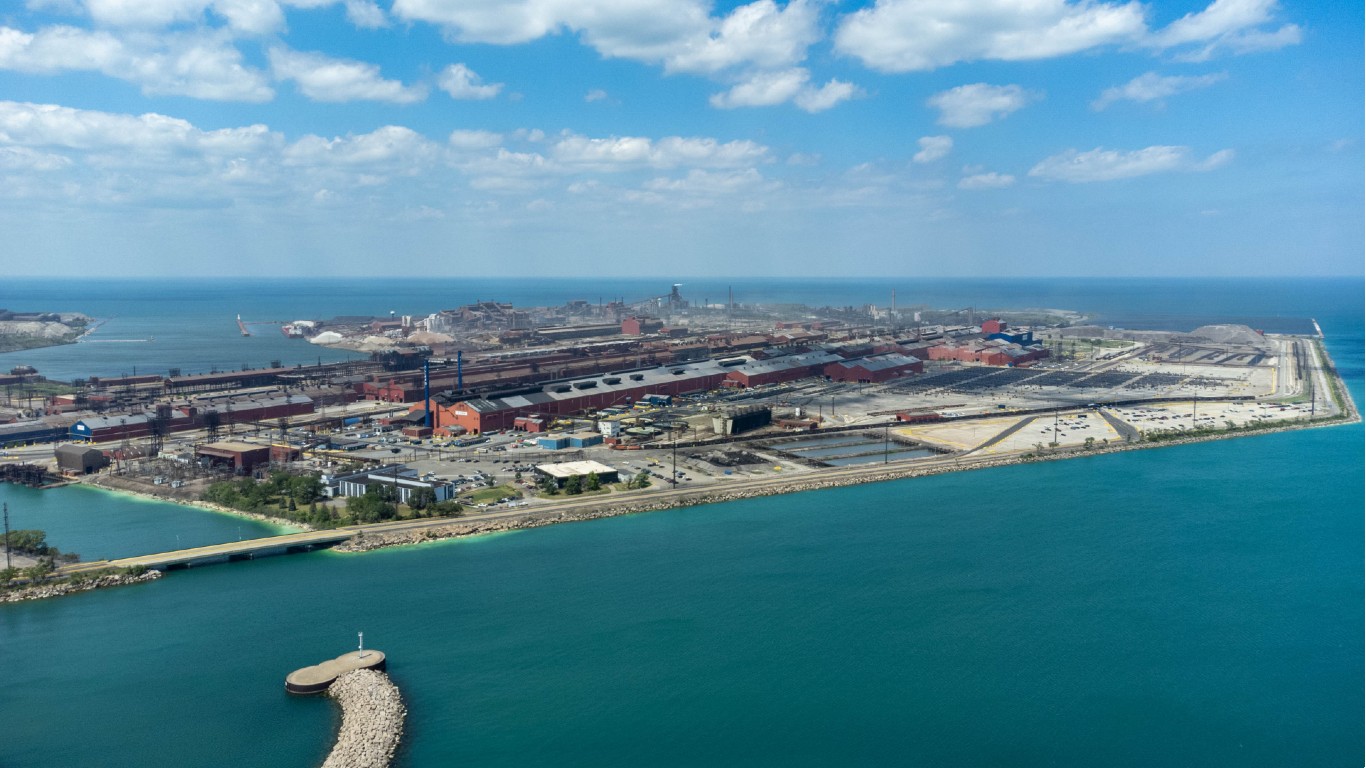
- With the Nippon Steel deal likely dead, U.S. Steel faces significant financial challenges, including minimal net income, substantial debt, and a shrinking cash reserve.
- The company’s future looks bleak, especially with the possibility of a recession, and the CEO has indicated that job losses and facility closures in Pittsburgh could be imminent.
The Role of Cleveland-Cliffs and the Industry Outlook

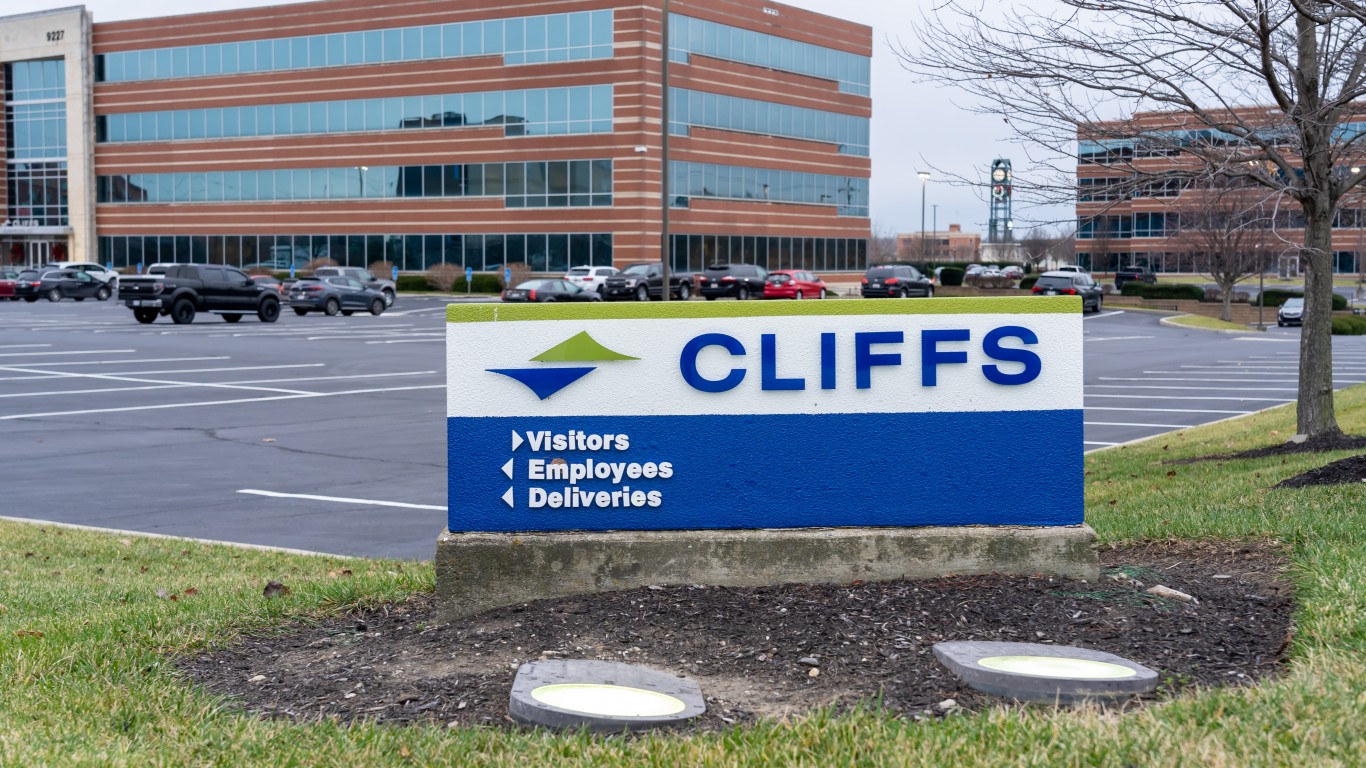
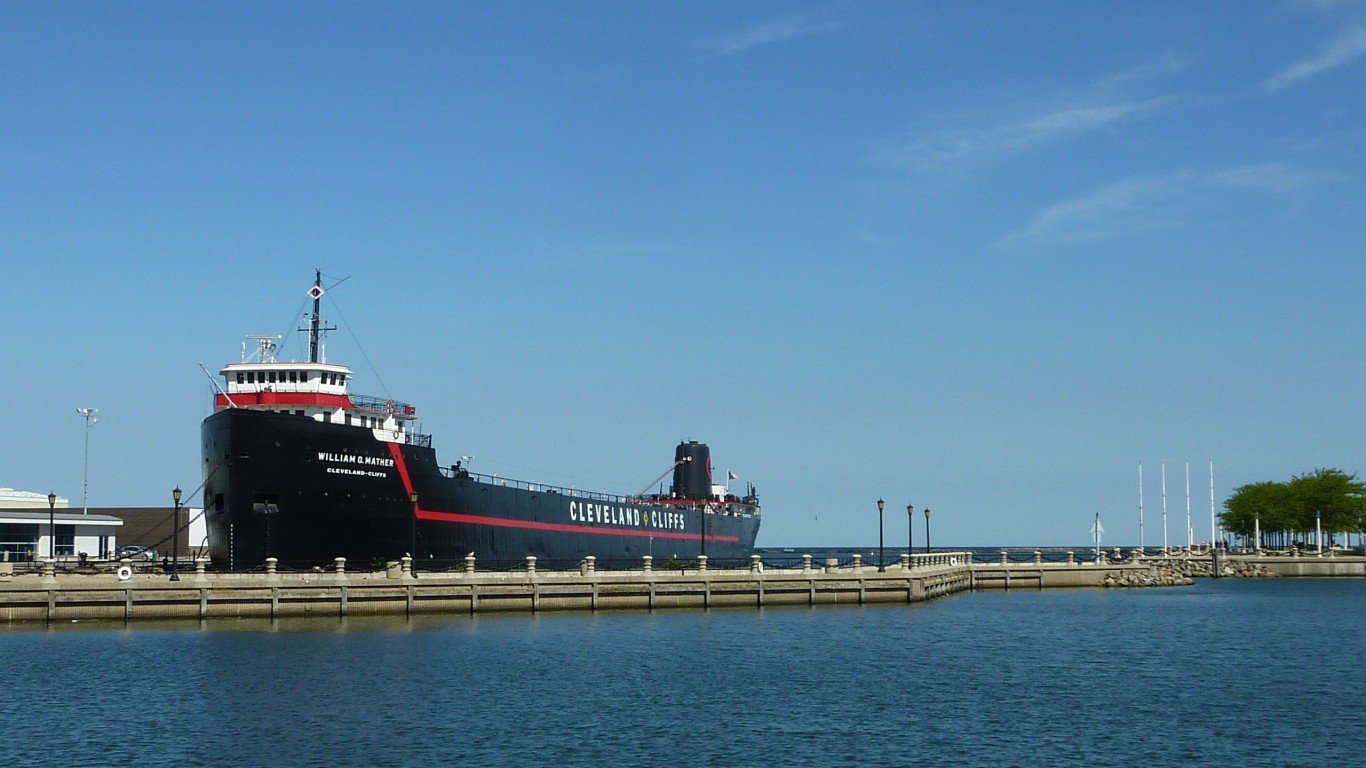
- Cleveland-Cliffs, initially involved in discussions, may now buy parts of U.S. Steel’s assets, potentially leading to a breakup of the company and further uncertainty for employees.
- The anticipated boost from a major infrastructure bill has not materialized, leaving the steel industry, and U.S. Steel in particular, in a vulnerable position as the economy weakens.
Conclusion: A Troubled Path Forward for U.S. Steel

- The decision to block the Nippon Steel buyout leaves U.S. Steel in a precarious situation, with limited options for recovery.
- The ongoing debate over national security and the role of foreign ownership in critical industries highlights the challenges facing the U.S. steel sector as it navigates an uncertain future.
Contact [email protected] for any questions or corrections.
Austin Smith is a financial publisher with over two decades of experience as an investor, analyst, and advisor. He covers stocks, ETFs, Artificial intelligence and personal finance for 24/7 Wall St. Previously, he spent over a decade at The Motley Fool as a senior editor for Fool.com, portfolio advisor for Millionacres, and launched The Ascent to help reader take control of their personal finances.
His work has been featured on Fool.com, NPR, CNBC, USA Today, Yahoo Finance, MSN, AOL, Marketwatch, and many other publications. He is as an advisor to private companies, and co-hosts The AI Investor Podcast with Eric Bleeker.
When not looking for investment opportunities, he can be found skiing, running, or playing soccer with his children. Learn more about Austin's investment approach here.