XRP Price: Why Is XRP Still Falling When Ripple Keeps Winning?
Ripple has had one of its strongest stretches ever in 2026. The SEC classified XRP (CRYPTO: XRP) as a digital commodity, Ripple launched full institutional services in Brazil, a $1 billion XRP treasury company just filed for Nasdaq, and XRP…

This post may contain links from our sponsors and affiliates, and Flywheel Publishing may receive compensation for actions taken through them.
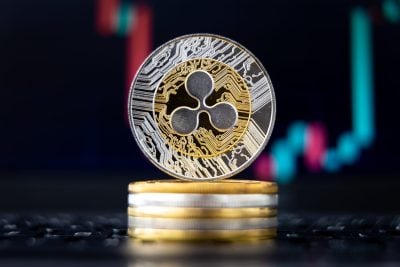
Ripple has had one of its strongest stretches ever in 2026. The SEC classified XRP (CRYPTO: XRP) as a digital commodity, Ripple launched full institutional services in Brazil, a $1 billion XRP treasury company just filed for Nasdaq, and XRP ETFs have pulled in $1.44 billion since November.
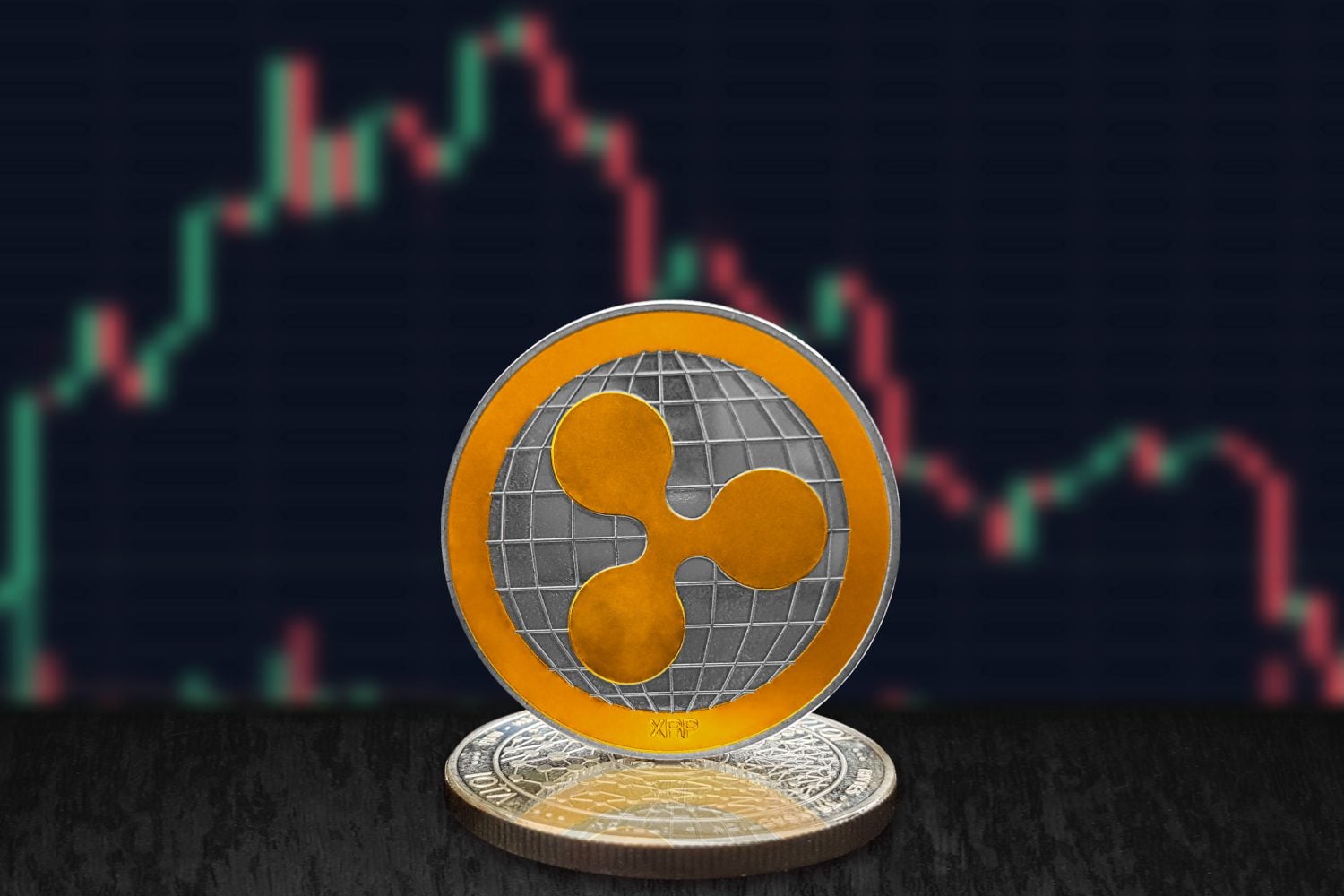
Despite all of that, the XRP price has done nothing but fall. XRP opened 2026 with a surge to $2.40 and has dropped by 40% in under three months while Ripple stacked one win after another. So what’s actually holding the XRP price down when the fundamentals keep improving?
What’s Dragging the XRP Price Down With the Rest of Crypto?
The macro environment in 2026 has been brutal for risk assets. Oil surged past $95 after Israeli strikes on Iran’s South Pars gas facility, pushing Brent crude to its highest levels since 2022. That fed directly into inflation. February’s producer price index, which tracks wholesale inflation before it reaches consumers, came in at 0.7%, more than double the 0.3% economists expected.
The Fed held rates at 3.50-3.75% on March 18 and raised its 2026 inflation forecast to 2.7% from 2.4%, with its own projections showing only one rate cut left this year. Futures markets have pushed the first expected cut to December at the earliest, and JPMorgan thinks the Fed may not cut at all in 2026.
Bitcoin sets the direction for the entire crypto market, and right now it’s stuck. BTC fell from $74,000 to around $70,000 after the Fed decision, with $158 million in leveraged positions wiped out within four hours as traders betting on higher prices got liquidated. Bitcoin’s share of the total crypto market sits at 58.6%, meaning capital is staying in BTC rather than rotating into altcoins like XRP. Until Bitcoin breaks out of its $65,000-$75,000 range, XRP might remain stuck even if its fundamentals improve.
The XRP price amplifies whatever Bitcoin does. The two assets move almost in lockstep with a 0.84 correlation, and XRP swings roughly 1.8 times harder in either direction. XRP was trading at $1.60 on March 17 when the commodity classification dropped. It sits at $1.44 three days later after a 10% slide while Bitcoin fell about 5% over the same stretch.
What’s Holding the XRP Price Back Even When Ripple Wins

XRP Whales have been selling steadily since it hit $3.65 in July 2025. An estimated $6 billion has been cashed out since that peak, and roughly 3.8 billion tokens have flowed onto Binance since January 2026 alone. In a single week in late February, $652 million worth of XRP moved onto the exchange.
About 60% of all XRP holders are sitting on unrealized losses, which means every price level between $1.44 and $3.65 has a wall of holders waiting to sell the moment they get back to breakeven. The zone around $1.58-$1.60 is especially thick, with roughly 2 billion XRP accumulated at those levels. Good news pushes the XRP price up, but sellers immediately step in to take the exit they’ve been waiting for.
XRP ETFs were supposed to absorb this selling pressure, and for a while they did. The funds pulled in $1.44 billion in cumulative inflows since launching in November 2025 and locked up 772 million XRP. But weekly inflows dropped from roughly $200 million at launch to under $2 million by early March. The funds posted $28 million in net outflows in one week while Bitcoin ETFs pulled in $767 million over the same stretch. 84% of the flows are retail, which means the institutional capital that Ripple’s regulatory wins were supposed to unlock still hasn’t shown up at scale.
Ripple’s own business growth doesn’t automatically help the XRP price either. Institutions use RippleNet for cross-border messaging and tracking, but most of them don’t use XRP for settlement. Banks tend to choose Ripple’s RLUSD stablecoin over XRP because it doesn’t carry price volatility. Every new RLUSD partnership is a win for Ripple the company, but it doesn’t require anyone to buy or hold XRP the token.
What Would Actually Push the XRP Price Higher
For the XRP price to move again, Bitcoin has to move first. As long as BTC is stuck between $65,000 and $75,000, no amount of Ripple partnerships or regulatory wins will push the XRP price higher.
Another catalyst that would help XRP recover is the Clarity Act. The SEC’s commodity classification from March 17 is a binding interpretive release, but it’s not federal law, and a future administration could reinterpret it. Banks and large asset managers need legislation before they commit capital at scale. Many have noted that if the Clarity Act bill doesn’t clear committee by the end of tApril, it’s unlikely it will pass in 2026.
If Bitcoin recovers and the Clarity Act advances, the institutional infrastructure Ripple has built will finally impact the XRP price. But if neither does, the XRP price will keep grinding between $1.30 and $1.50 regardless of how many wins Ripple stacks up.
Contact [email protected] for any questions or corrections.
Sam Daodu is a crypto analyst who's spent nearly a decade making blockchain understandable—no easy task when most whitepapers read like fever dreams. He writes for 24/7 Wall St., covering Bitcoin, altcoins, and crypto market analysis for investors. Before crypto, he was a tech writer (back when explaining "the cloud" was peak innovation). Since 2018, he's written for CoinTelegraph, Yahoo Finance, The Block, Cryptonews, Zypto, Rain, and more—basically anywhere people want crypto news without the headache. Sam runs MacLabs Marketing, a content agency for crypto brands tired of sounding like AI wrote their website. He also publishes free crypto education on his site for Web3 enthusiasts who think "gas fees" is a typo. When he's not writing or staring at charts, Sam's either: - Watching anime (currently convinced One Piece has better tokenomics than most altcoins) - At the gym sculpting himself into a Greek god - Listening to the music your mum warned you only bad boys listen to Connect: LinkedIn | Email | MacLabs Marketing