XRP News: Ripple CEO Now Expects the CLARITY Act to Pass by the End of May
Ripple CEO Brad Garlinghouse said the CLARITY Act would pass by the end of April when he spoke on Fox Business back in February, putting the odds at 80%. April is here, and the bill hasn’t even made it to…

This post may contain links from our sponsors and affiliates, and Flywheel Publishing may receive compensation for actions taken through them.

Ripple CEO Brad Garlinghouse said the CLARITY Act would pass by the end of April when he spoke on Fox Business back in February, putting the odds at 80%. April is here, and the bill hasn’t even made it to a committee vote. Speaking at the Semafor World Economy event in Washington on April 13, Garlinghouse pushed the timeline to the end of May, saying the stablecoin yield dispute that’s held up the bill since January is close to being resolved.
This is the third time he’s moved the deadline for the CLARITY Act, which would make XRP’s (CRYPTO: XRP) commodity status permanent federal law. But every time he’s pushed it back, the support behind the bill has gotten stronger—some of the most prominent figures who were opposing it are now publicly backing it.
With the Senate Banking Committee targeting a late April markup, can the bill finally pass and give XRP the permanent regulatory clarity it needs to unlock institutional adoption at scale?
What Garlinghouse Said at the Semafor World Economy Event
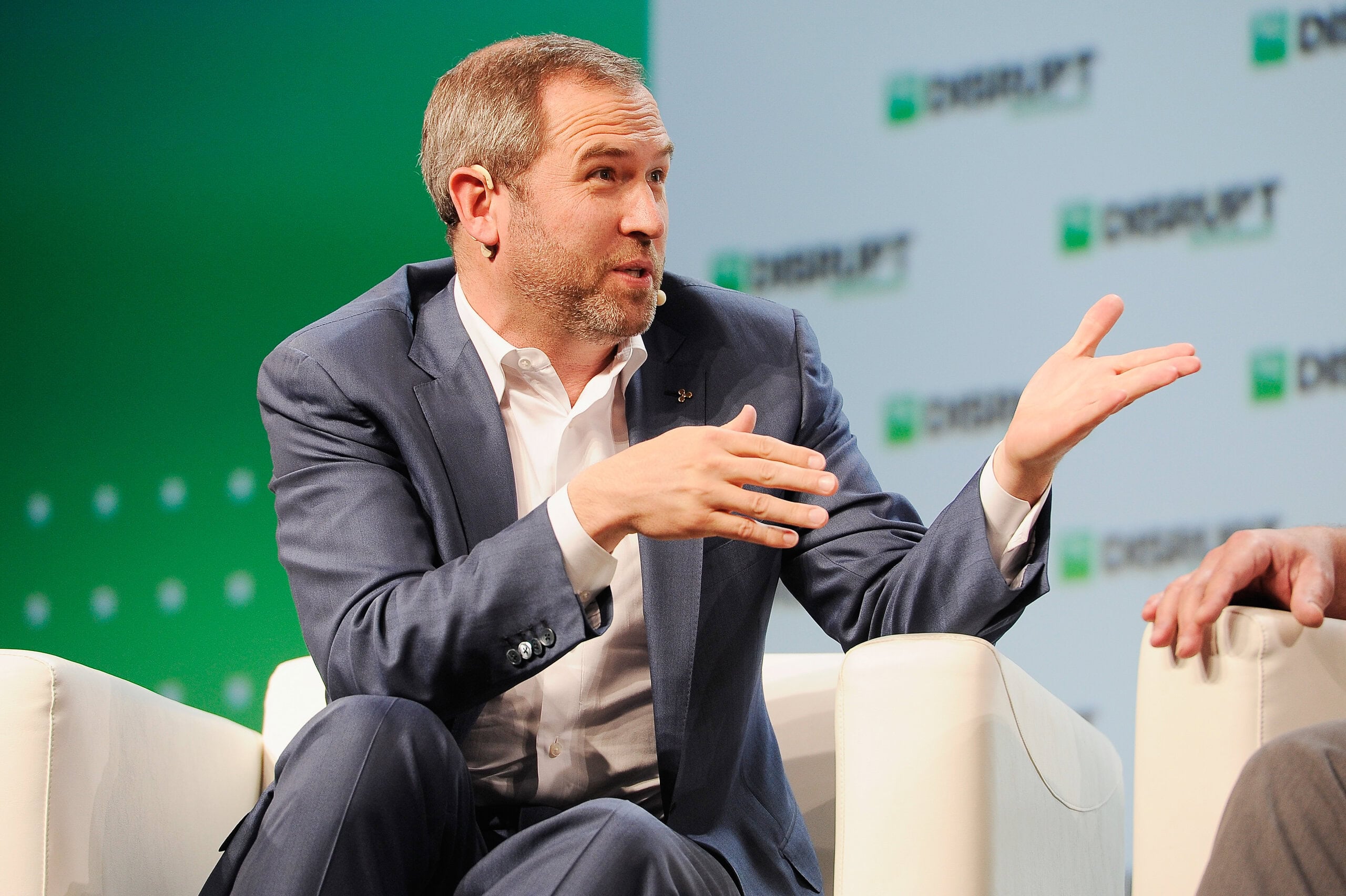
Garlinghouse addressed the CLARITY Act during a panel at the Semafor World Economy Summit in Washington on April 13,which was the same day the Senate came back from Easter recess. He told the audience that the stablecoin yield dispute between banks and crypto firms is nearing an end. “When people are at their peak frustration, that’s when they finally compromise, and it gets done,” he said. “I think we’re there.”
He didn’t give an exact date, but his timeline hasn’t changed from what he said at the FII Priority Miami Summit on March 27, when he first pushed his forecast from April to the end of May. Back in February, Garlinghouse went on Fox Business and put the odds of the CLARITY Act clearing the Senate at 80% by the end of April.
That didn’t happen—but the people who were standing in the way mostly aren’t anymore. Coinbase CEO Brian Armstrong endorsed the bill on April 9 after blocking it twice, and Treasury Secretary Bessent published a Wall Street Journal op-ed backing it the same day. The SEC Chair and former White House crypto czar both called on Congress to act within hours of each other.
Garlinghouse wasn’t the only one sounding confident on April 13. White House crypto adviser, Patrick Witt, told CoinDesk that negotiations have “made considerable progress in the background” on issues beyond just stablecoin yield. “All of these issues felt intractable and unsolvable at one point in time,” Witt said. “The fact that we’ve been able to close out a lot of them gives me confidence that we can close out these other ones, too.”
Senator Thom Tillis is expected to release a revised draft of the stablecoin yield compromise as early as this week. If both sides accept it, the Banking Committee can finally schedule the markup that’s been on hold since January.
Why the CLARITY Act Keeps Getting Delayed Despite Growing Support
One fight has held up the entire bill since January—the issue of if crypto platforms like Coinbase should be allowed to pay interest-like rewards on stablecoin balances. Banks argue that letting stablecoins compete with savings accounts would drain deposits out of the traditional banking system. Crypto firms say banning yield hands banks an unfair advantage while costing consumers money.
Senators Thom Tillis and Angela Alsobrooks reached a compromise on March 20 that bans passive yield—earning returns just for holding stablecoins—but allows activity-based rewards tied to payments and platform use. Coinbase rejected that draft on March 25, but reversed course two weeks later after a White House Council of Economic Advisers report found that a full ban would cost consumers roughly $800 million a year while adding just 0.02% to total U.S. bank lending.
Armstrong endorsed the bill on April 9. So the yield fight is closer to being resolved than it’s been all year. But even with the biggest holdouts now on board, the bill still needs to get through committee—and Chairman Tim Scott hasn’t set a markup date yet. Senators Hagerty and Lummis have both said a late April vote is still the target. Moreno, however, has been blunt, reiterating that if the bill doesn’t reach the Senate floor by May, it might be shelved till 2027 because midterm campaigning will take over the schedule after summer.
Asides from that, even if the committee votes in late April, the CLARITY Act still needs four more steps to reach the President’s desk. There’s a 60-vote Senate floor vote, reconciliation with the Agriculture Committee version, reconciliation with the House version, and a presidential signature.
Garlinghouse is betting all of that gets done by the end of May—but with that many steps left and not a lot of Senate working days to spare, the window for XRP to get permanent regulatory clarity in 2026 is running out.
Has Garlinghouse Been Wrong on CLARITY Act Timing?
Twice now, Garlinghouse has called a deadline and missed it—but the direction he’s been pointing in keeps proving right. The opposition that was blocking the bill has mostly disappeared, and the compromises he said would come have started arriving.
Right now, the CLARITY Act has more support than at any point since it passed the House last July. If Garlinghouse is right about the end of May, the announcements that follow could move XRP more than the bill itself. If the vote happens in late April, XRP has a real shot at recovering and could target its $3.65 cycle high for the first time this year.
Contact [email protected] for any questions or corrections.
Sam Daodu is a crypto analyst who's spent nearly a decade making blockchain understandable—no easy task when most whitepapers read like fever dreams. He writes for 24/7 Wall St., covering Bitcoin, altcoins, and crypto market analysis for investors. Before crypto, he was a tech writer (back when explaining "the cloud" was peak innovation). Since 2018, he's written for CoinTelegraph, Yahoo Finance, The Block, Cryptonews, Zypto, Rain, and more—basically anywhere people want crypto news without the headache. Sam runs MacLabs Marketing, a content agency for crypto brands tired of sounding like AI wrote their website. He also publishes free crypto education on his site for Web3 enthusiasts who think "gas fees" is a typo. When he's not writing or staring at charts, Sam's either: - Watching anime (currently convinced One Piece has better tokenomics than most altcoins) - At the gym sculpting himself into a Greek god - Listening to the music your mum warned you only bad boys listen to Connect: LinkedIn | Email | MacLabs Marketing