Oracle Has 50% Upside According to Wall Street Analyst’s New Projections. Is He Right?
Shares of Oracle (NYSE:ORCL | ORCL Price Prediction) took a major hit on Thursday, with shares stumbling close to 9% after reporting reasonable sales growth. Undoubtedly, the big headlines weren’t the quarterly results themselves, but news that the firm is…

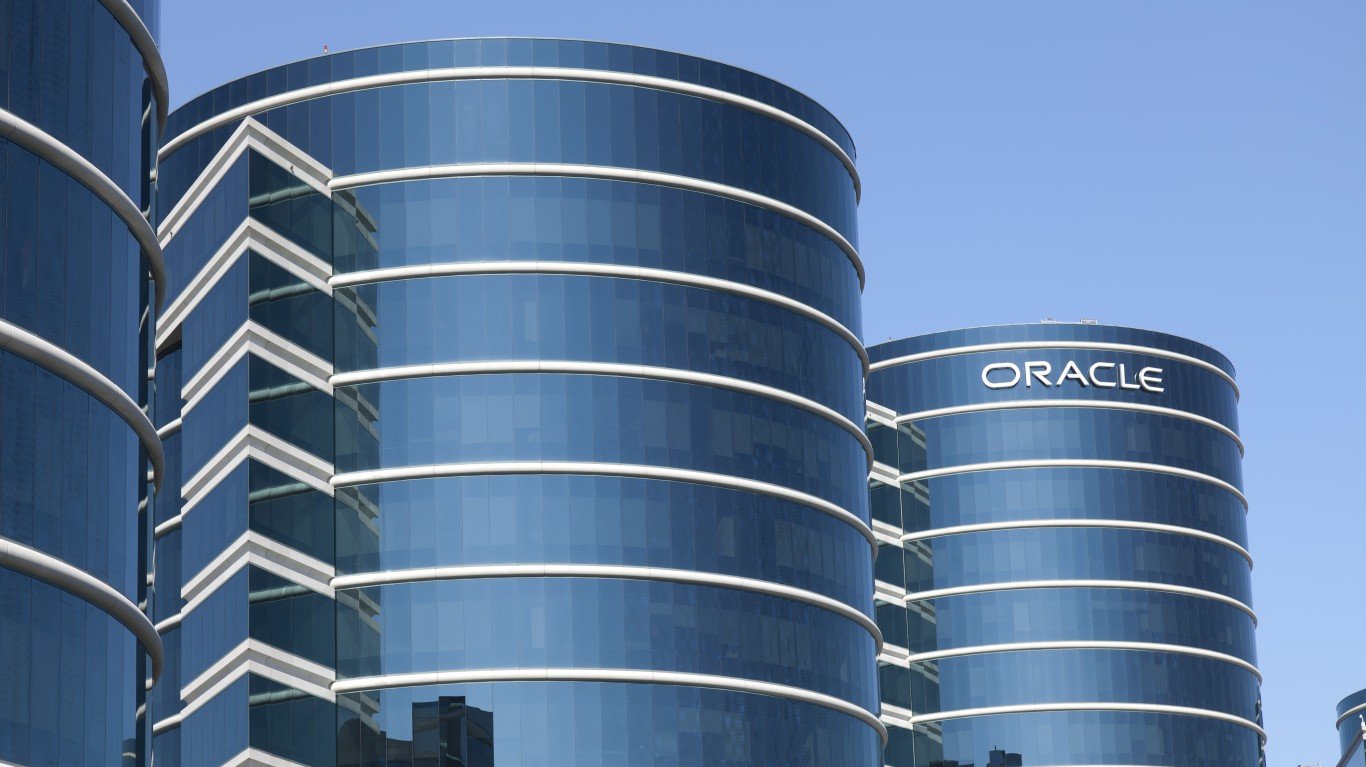
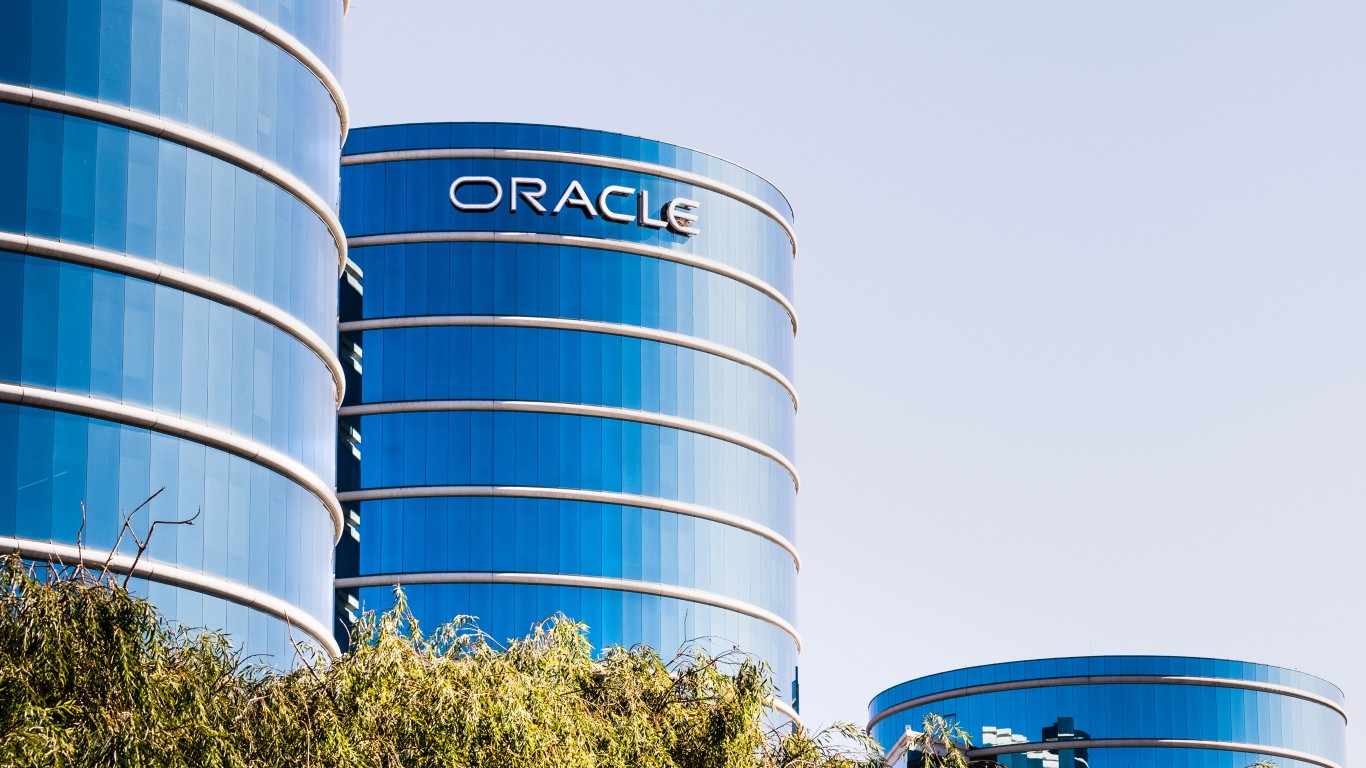
Shares of Oracle (NYSE:ORCL | ORCL Price Prediction) took a major hit on Thursday, with shares stumbling close to 9% after reporting reasonable sales growth. Undoubtedly, the big headlines weren’t the quarterly results themselves, but news that the firm is going to spend even more on AI infrastructure.
Undoubtedly, hefty spending has been a big weight on the firm’s shoulders. And, to the distaste of most investors, it’s about to become that much heavier, with the firm disclosing plans to raise another $40 billion from debt and equity issuance in 2027. Indeed, there’s already a lot of debt sitting on the balance sheet. Combined with the shareholder dilution worries to ponder, it certainly feels like selling now and asking questions later is the move.
Oppenheimer’s new target entails a 50% gain after Thursday’s dip
Even after a tough number, Oppenheimer’s reiteration of its outperform rating, I think, has to be encouraging at a time like this. It’s been a brutal pivot, but it’s one that could ultimately pay off. At the time of this writing, Oppenheimer sports a $275.00 price target on Oracle shares.
That represents a huge 50% gain from Thursday’s closing price. And the real opportunity could lie in how much more selling there will be in the days to follow. In any case, I think Oppenheimer analyst Timothy Horan is right to stay upbeat about the company as its fundamentals continue to improve.
OCI is a serious player in AI infrastructure, and the growth (up 93% year over year) from the latest quarter was difficult to look past. In time, OCI is going to contribute a growing slice of the pie, and as AI demand stays off the charts, there’s every reason to stay the course with Oracle, even as the stakes get higher.
Apart from massive RPO numbers and evidence of improved operating efficiencies, the company seems to be generating explosive RPOs relative to the CapEx it’s spent so far. Of course, there’s a big difference between RPOs and actual sales. But given the caliber of big-name customers that look good for the money, and the unprecedented “Mad Max” turn in the AI infrastructure boom, I certainly wouldn’t discount the RPO growth as much as the market is.
Oracle’s going to be investing more in AI — and that’s a good thing
In my view, the $40 billion fundraising plan really shouldn’t be anything all that surprising when you consider how invested the company is in getting a front-row seat to that AI revolution. The company has already swam to great lengths to give its new growth engine (and its future) in Oracle Cloud Infrastructure (OCI) its all.
And when you consider that some of the other hyperscalers, including the likes of Alphabet‘s (NASDAQ:GOOG) Google, are already looking to raise more capital to fund AI, I think it’s actually a positive that Oracle is committing more, even though it’s going to make some investors even more woozy. At the end of the day, Oracle has been a riskier play on the rise of next-generation AI infrastructure.
And, in my humble opinion, it shouldn’t look to pull punches, especially when you consider the soaring backlog and its position to be a heftier provider of AI compute as the market shifts gears from semiconductors and AI chips to the token providers. That encompasses more than just AI chips, including energy, which are the real chokepoints of the boom.
The bottom line
With shares on the descent again, wiping out the big gains posted back in late May, I do think there’s an opportunity to get more AI aggression for a lower price of admission. It’s either you’re all aboard the AI pivot or you’re not. And after the post-earnings sell-off, I do think a lot of those who were on the fence have now made up their minds.
As shares move lower and the implied upside on Oppenheimer’s $275.00 price target swells further, I think it might be time to go against the grain with the hyper-volatile name while it’s still misunderstood. Oppnehimer’s Timothy Horan reaffirmed Oracle because its quarter was solid and the fundamentals are improving. He’s right on the money.
As for the spending to come, I’d say that’s a good thing, given the trajectory of RPOs, and that’s regardless of how most other investors are taking it.
Contact [email protected] for any questions or corrections.
Joey is a 24/7 Wall St. contributor and seasoned investment writer whose work can also be found in publications such as The Motley Fool and TipRanks. Holding a B.A.Sc in Computer Engineering from the University of British Columbia (UBC), Joey has leveraged his technical background to provide insightful stock analyses to readers.
Joey's investment philosophy is heavily influenced by Warren Buffett's value investing principles. As a dedicated Buffett disciple, Joey is committed to unearthing value in the tech sector and beyond.