Trump Calls Off Iran Strikes with Deal in Reach: “We Should Be Getting It Done In The Next Few Days.”
Bloomberg’s Balance of Power covered the story on Thursday, June 11, that President Trump announced he was calling off the planned U.S. military strikes against Iran, with a memorandum of understanding potentially being signed within days. Markets responded immediately: the…

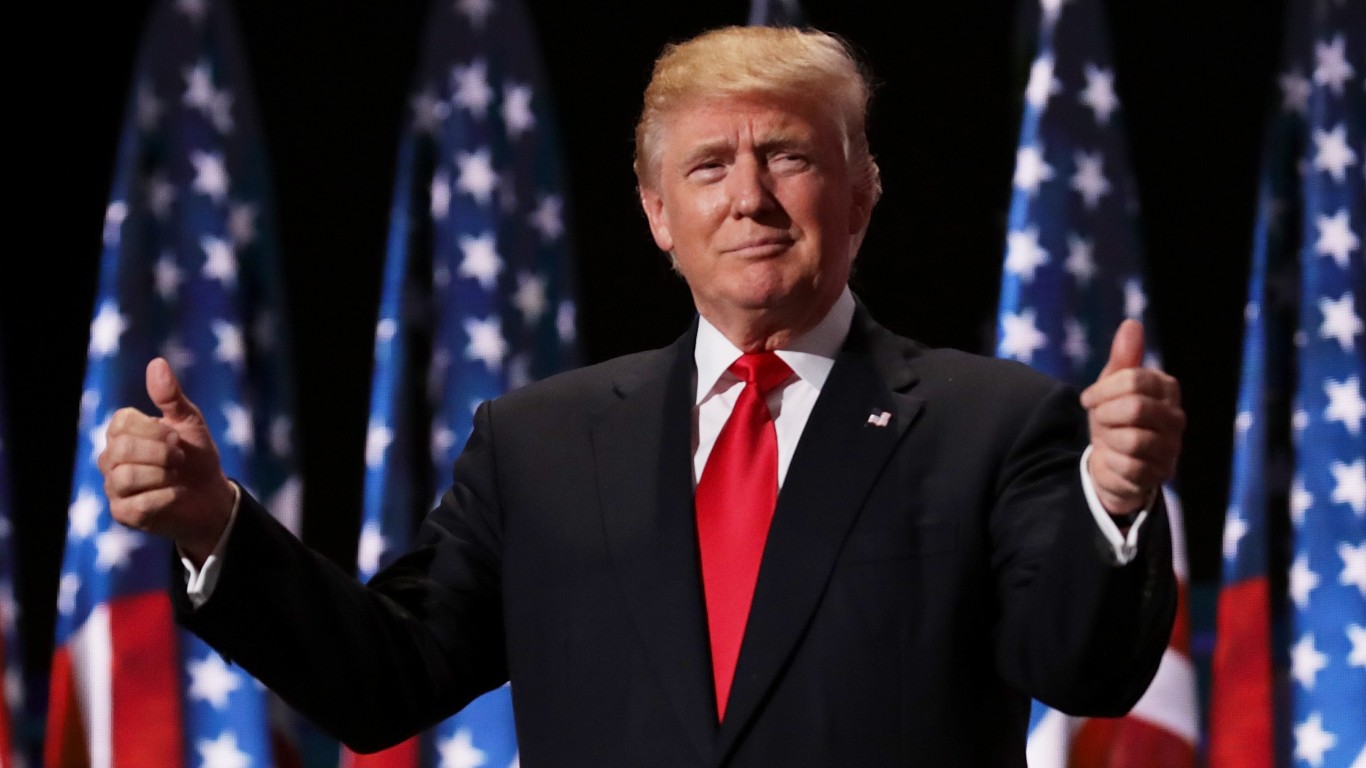
Bloomberg’s Balance of Power covered the story on Thursday, June 11, that President Trump announced he was calling off the planned U.S. military strikes against Iran, with a memorandum of understanding potentially being signed within days. Markets responded immediately: the S&P 500 closed up 1.8%, and the Nasdaq rallied close to 3% on the de-escalation signal, while oil prices fell 4-5% intraday, with WTI crude cited on Friday, June 12, at below $85 per barrel.
The president framed the outcome in decisive terms: “We made a great settlement of the war with Iran, and we are going to be submitting the finalization of documents. We should be getting it done in the next few days.“ He acknowledged loose ends but defended the structure of the agreement, saying, “It is a very strong memorandum of understanding. It’s a little conceptual, but it is something that’s going to get done.”
Why Markets Moved
The rally captures two intertwined relief trades: lower energy prices feeding into a softer inflation outlook, and a smaller geopolitical risk premium in the stock market. WTI crude has already been receding from its springtime spike, settling at $95.00 per barrel as of June 8, 2026, well off the 12-month peak of $114.58 reached on April 7, 2026.
The CBOE Volatility Index closed at 19.44 on June 11, down 2.78 from the prior session, a 12.5% single-day compression. That kind of move is a classic response when tail risk gets repriced lower. Treasury markets echoed the same theme, with the 10-year yield easing to 4.45% on June 11 from 4.55% on June 10, consistent with a smaller inflation premium.
Reasons for Caution
Dissent is emerging on Capitol Hill. Representative Glenn Ivey, a Democrat on the House Appropriations Committee, told Bloomberg: “This is Groundhog Day. Every day, he says there are negotiations, and we are close to a deal. We are over 100 days into this now. I am kind of at the believe-it-when-I-see-it point right now.”
Dana Stroul, a former Defense Department official now at the Washington Institute for Near East Policy, raised a structural concern: “The big problem here is that we spent more days in this cease-fire circling the drain on an agreement to have more negotiations than we actually had fighting this war in the first place.” Core issues remain open, including Iran’s nuclear program, ballistic missile arsenal, and proxy networks. The administration has not negotiated directly with Iran’s supreme leader; mediators from Pakistan and Qatar have carried the channel.
What to Watch Next
Contact [email protected] for any questions or corrections.
Thomas Richmond is a financial writer and content strategist with 5+ years of experience covering stocks and financial markets. He has published over 500 articles focused on individual stock analysis, helping investors better understand business fundamentals, stock valuations, and long-term opportunities.
Thomas previously served as a Content Lead at TIKR, a stock research platform, where he helped scale the company’s blog to hundreds of articles per month and contributed to a weekly newsletter reaching more than 100,000 investors.
Outside of work, Thomas enjoys weight lifting and soccer.