Inside Zuckerberg’s Reported Plan to Take On Kalshi and Polymarket in Prediction Markets
Mark Zuckerberg has recently directed a team to build a standalone prediction-market app, internally called “Arena” (and also codenamed Antwerp and FBForecast), to rival Kalshi and Polymarket. The market already noticed. Retail chatter on Reddit picked it up with a…

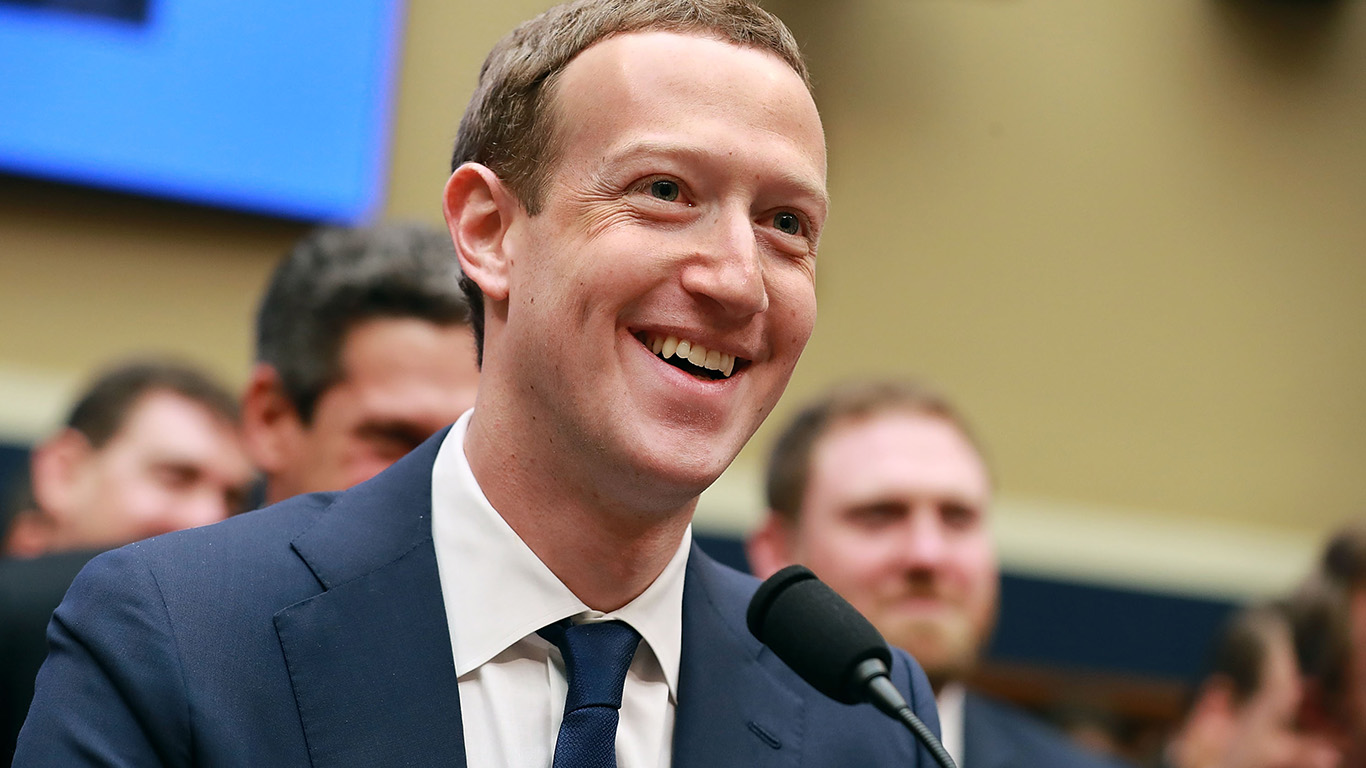
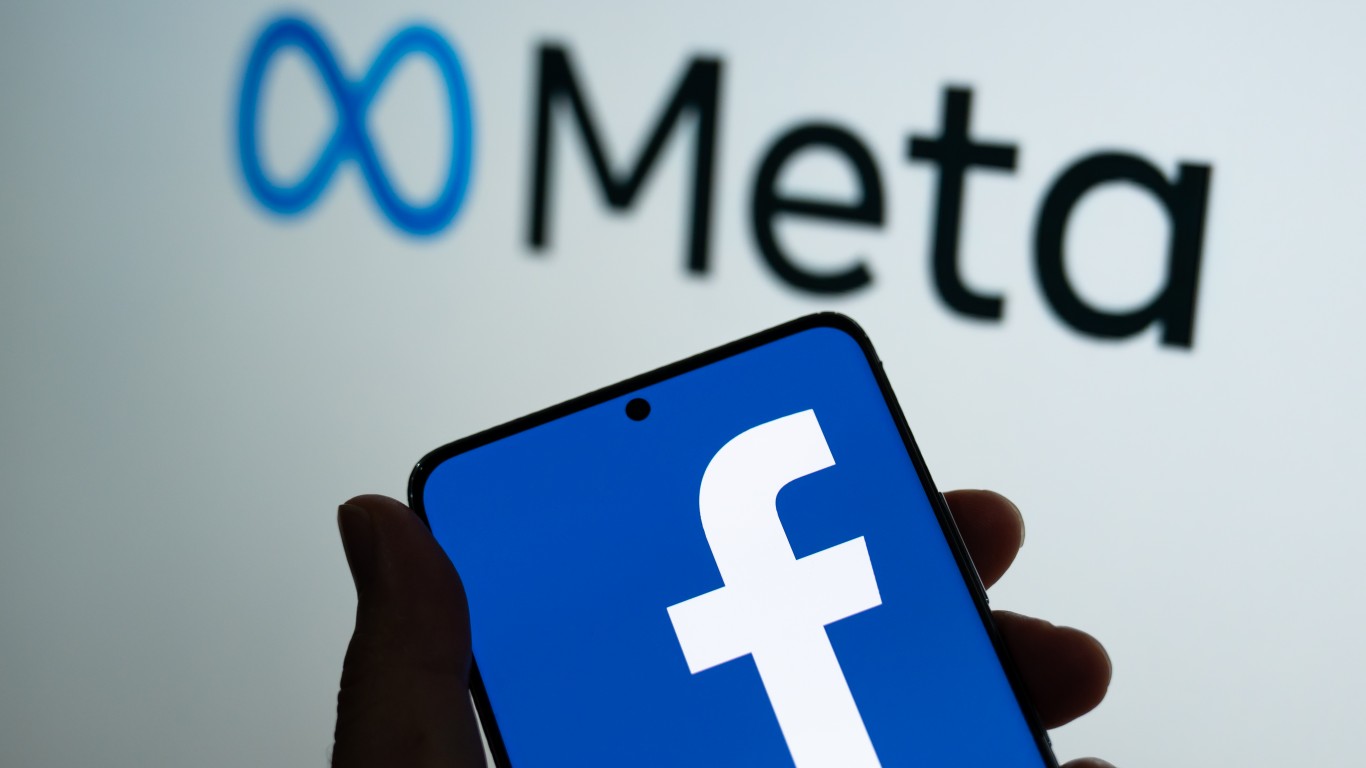
Mark Zuckerberg has recently directed a team to build a standalone prediction-market app, internally called “Arena” (and also codenamed Antwerp and FBForecast), to rival Kalshi and Polymarket. The market already noticed. Retail chatter on Reddit picked it up with a “Meta is reportedly building a play-money prediction market app” thread that drew 35 upvotes and 47 comments on June 27, modest interest quickly drowned out by AI competition worries.
Meta Platforms (NASDAQ:META | META Price Prediction) trades at $564, with the stock down 13.2% year to date. Any new product line lands in a market already skeptical of capital allocation here.
What “Arena” reportedly is
Arena would launch with virtual “play money” or points rather than real-cash wagering, sidestepping the gambling regulator gauntlet that Kalshi and Polymarket have spent years arguing through. It would use Meta’s Llama models to auto-generate questions from trending topics and resolve markets in near real-time.
That leverages the AI stack Meta is already paying for, with full-year 2026 capex guided to $125 billion to $145 billion. If you have the GPUs, point them at something.
Sizing the opportunity
The category is surging. Combined Kalshi and Polymarket volume reached roughly $24 billion per month, Kalshi is worth around $22 billion, and some analysts project the sector could reach $1 trillion.
Against Meta’s $1.4 trillion market cap and $55.02 billion in Q1 advertising revenue, even the bullish version of this market is a rounding error today. The strategic logic here is engagement and data, with near-term revenue largely beside the point.
Why “dominate” could be the wrong word
A points-based app generates no direct revenue at launch. The legal landscape is in limbo with dozens of pending lawsuits, and the launch has drawn political heat, including criticism from Senator Blumenthal. Meta’s record on adjacent bets is mixed.
The Libra/Diem stablecoin was abandoned, and Reality Labs has accumulated more than $70 billion in losses, including a $4.03 billion operating loss in Q1 2026 alone. The company absorbs experiments. It does not necessarily execute them well outside the core ad system.
That said, Meta has a massive base of users it can soft-advertise this app to if it does come live. If you are a Facebook or an Instagram user, you have likely seen some snippets from Threads, which is another platform by Meta.
Of course, doing the same with a prediction market app could end up doing more harm than good. Most of Facebook’s users are not tech-savvy, so online gambling ads will be very controversial. But again, Facebook allows third-party gambling ads in countries where online gambling is allowed. Things will get iffy if Meta itself pushes the gambling platforms it owns to its users.
Regardless, the app remains tentative, so anything of that sort is unlikely.
A grounded verdict
Meta has the distribution, with 3.56 billion family daily active people, the AI infrastructure, and the patience to lose money on optionality. That combination matters.
However, a reported, unconfirmed, play-money product facing regulatory uncertainty and political scrutiny is a hypothesis worth watching while the evidence accumulates. Polymarket itself is currently pricing a 61% probability that Meta finishes 2026 at a higher valuation than OpenAI, which captures the broader bet better than any Arena speculation.
Contact [email protected] for any questions or corrections.
Omor Ibne Ehsan is a writer at 24/7 Wall St. He is a self-taught investor with a focus on growth, cyclical, and dividend equities that have strong fundamentals, value, and long-term potential. He also has an interest in high-risk, high-reward investments such as penny stocks.