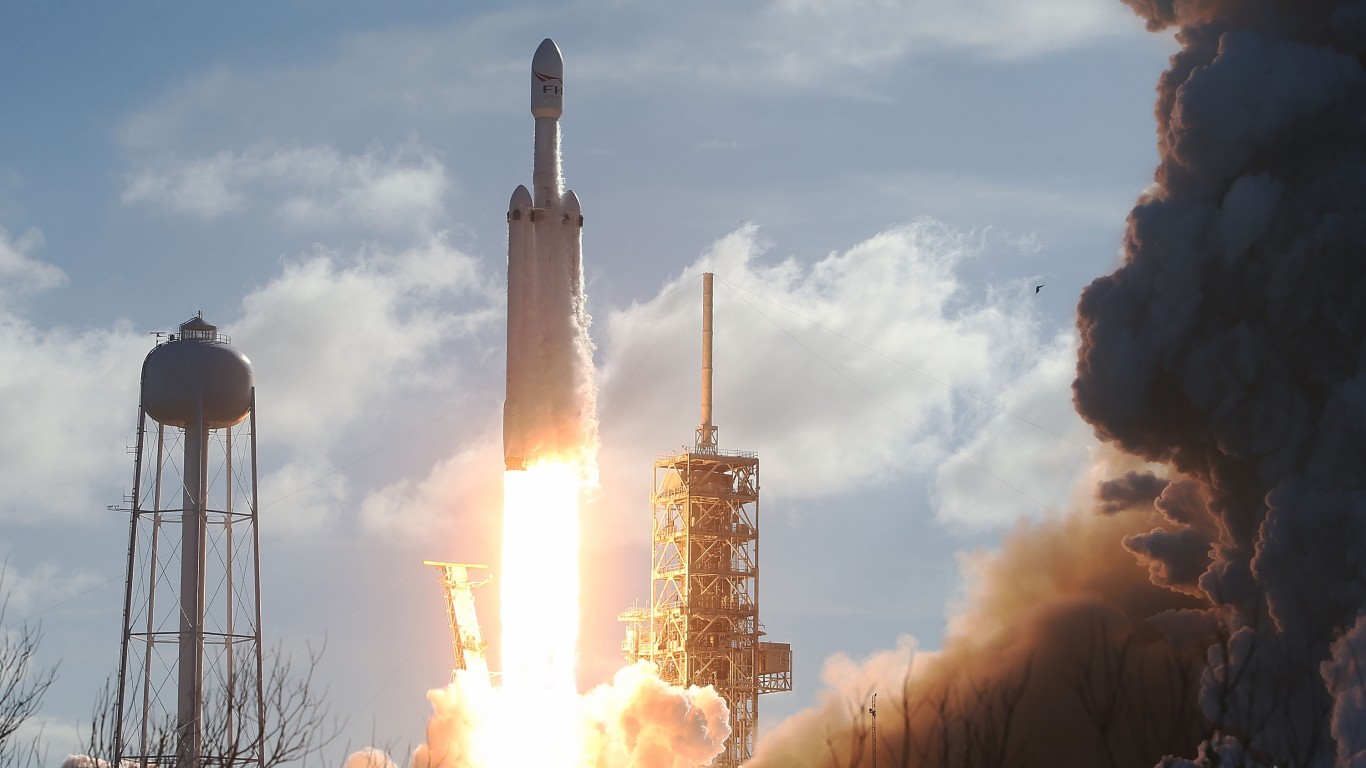
NASA Just Made A Huge Bet That These 3 Companies Will Get America Back To The Moon Before China
NASA Administrator Jared Isaacman has framed the current moment in stark terms: “We are in a new space race to the lunar surface, and if we fall behind, we may never catch up. If we wake up and see our…

NASA Administrator Jared Isaacman has framed the current moment in stark terms: “We are in a new space race to the lunar surface, and if we fall behind, we may never catch up. If we wake up and see our rival’s taikonauts on the moon before we’re able to return, the blow to American exceptionalism will be so damaging, the shock wave will be felt around the world.” That framing, national security and resources rather than exploration, is now shaping how billions in federal money get distributed. On June 30, NASA turned rhetoric into contracts.
What is actually at stake on the Moon
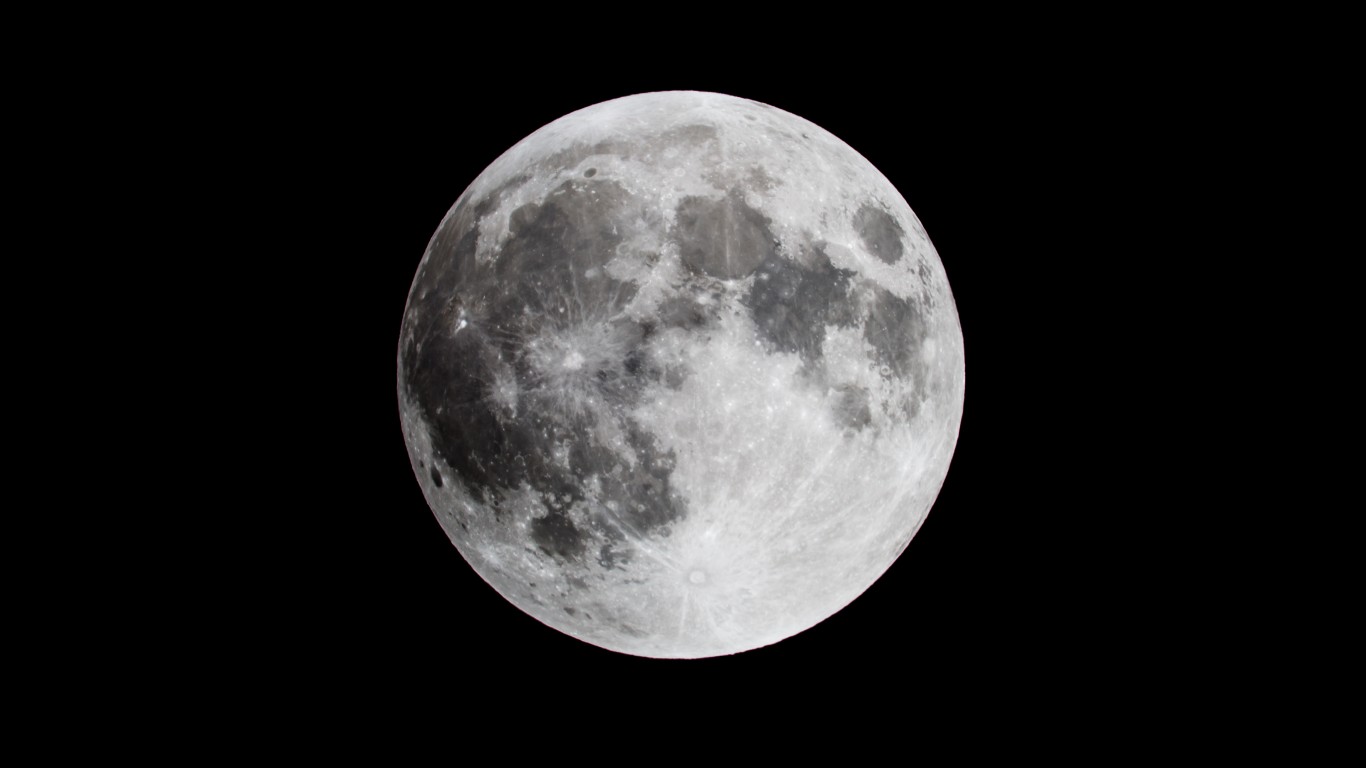
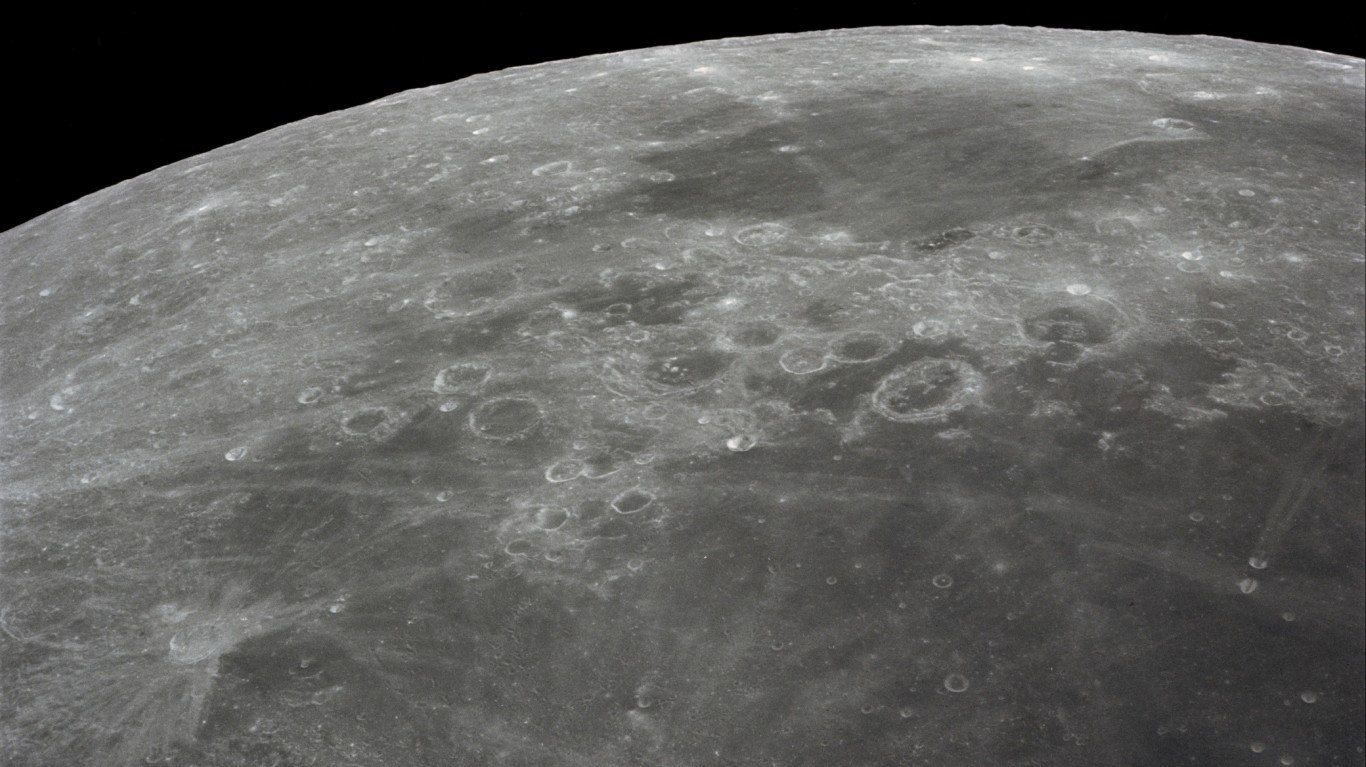
The prize is the lunar south pole. The region is believed to contain water ice that can be converted into rocket propellant, the key to long-term lunar and Mars operations. Whoever establishes a permanent base there first sets the operating rules for a new economy. The US is targeting a crewed lunar landing in 2028 with Artemis IV; China is targeting 2030. China’s Chang’e 7 mission is expected to launch in late 2026 to explore the same south pole region for water ice, and China has already tested its Long March 10A rocket and Lanyue crewed lander and completed assembly towers at Wenchang. Its long-term plan calls for a robotic lunar base by 2035 and a human-inhabited base by 2045, built with Russia and 12 partner nations. NASA’s Artemis II completed a crewed lunar flyby in April 2026, the first crewed deep space mission in 50 years.
The June 30 catalyst: “Episode 2”
NASA awarded $590 million in new lunar lander contracts to three companies as part of its Moon Base program’s “phase one,” explicitly framed as “episode 2” in an ongoing series of tranches. The three winners:
1. Astrobotic (being acquired by Voyager Technologies (NYSE:VOYG))
Astrobotic took the largest slice at $297.9 million for two lander deliveries. Voyager currently carries a market cap of roughly $1.79 billion with a $44.73 analyst target. Investors should note the backdrop: Astrobotic’s Peregrine mission failed in Earth orbit in January 2024, and the company is mid-acquisition. VOYG shares closed at $32.25 on June 30 and then rose 9.81% on July 1.
2. Firefly Aerospace (NASDAQ:FLY | FLY Price Prediction)
Firefly won $144.2 million for one lander mission. Its Blue Ghost was the first private lander to touch down on the moon intact, in March 2025. Q1 revenue reached $184.9 million on a trailing basis, with an EPS of -4.94. FLY jumped 8.05% on the week and sits 36.76% below its late-May level.
3. Intuitive Machines (NASDAQ:LUNR)
Intuitive Machines received $148.3 million for one lander mission, with analysts projecting 340% revenue growth for 2026. The stock rose 5.8% in after-hours trading and finished the week up 2.1%. Reliability remains an open question: Nova-C has tipped over on two separate missions. Operating margin sits at -10.3% on trailing revenue of $334.3 million.
The broader investable landscape
SpaceX (NASDAQ:SPCX) recently completed its IPO and is now the coming centerpiece of the space complex. It began trading on June 12, 2026 at $160.95 and closed at $162 on July 2,. Volatility is a given. Isaacman has said he has “no issue with important partners to NASA being well-capitalized.” SpaceX supplies the Starship lander for the Artemis crewed landing. Blue Origin also won lunar infrastructure contracts in May 2026 but remains private. Diversified investors sometimes look at the Tema Space Innovators ETF (NASA), the State Street Aerospace and Defense ETF (XAR), and the Procure Space ETF (UFO), roughly 16% to 32% higher year to date.
Risk, weighted equally
These are pre-profit companies where a single NASA decision can move the stock double digits in either direction. In May 2026, LUNR shares initially rallied then sold off sharply when NASA chose rivals for lunar rover work. LUNR fell 51.2% in one month. VOYG missed Q1 EPS estimates at -3.06, and FLY’s cash balance dropped materially in the quarter. As a newly public mega-cap, SpaceX may pull institutional capital away from smaller space names as portfolios rotate into the larger, more liquid ticker.
The long arc
NASA’s stated goal of near-monthly uncrewed landings by 2027 turns this contract cadence structural, not episodic. Early tranche winners are building operational credibility inside a program designed to seed a commercial lunar economy rather than own it. The urgency driving all of it is the same one Isaacman laid out at the top: if Chinese taikonauts reach the south pole first, the strategic and economic map of the next century looks very different. That is the bet retail investors are underwriting when they touch any of these names.
Contact [email protected] for any questions or corrections.
I've spent more than 15 years inside enterprise software, working alongside the finance, sales operations, and HR leaders who run the revenue engines at some of the largest tech companies in the country.
My day job is helping enterprise executives make smarter decisions about retention, compensation, and growth. These are the same operational levers that show up in every earnings report investors actually read. That perspective shapes my writing for 24/7 Wall St.
The headline numbers are easy. The interesting stuff is underneath: how companies make money, what executives are worried about, and what any of it means for the person checking their 401(k) on a Sunday afternoon. I write about personal finance and business as someone who has spent her career inside the rooms where these decisions get made.