Media Industry Veterans: Netflix May Add Live TV as Top Shows Reportedly Lose 30-70% of Viewers
Netflix is quietly exploring a move that would put rival streaming services inside its own platform, but industry veterans warn the real problem runs deeper than distribution. The answer may come sooner than investors expect.

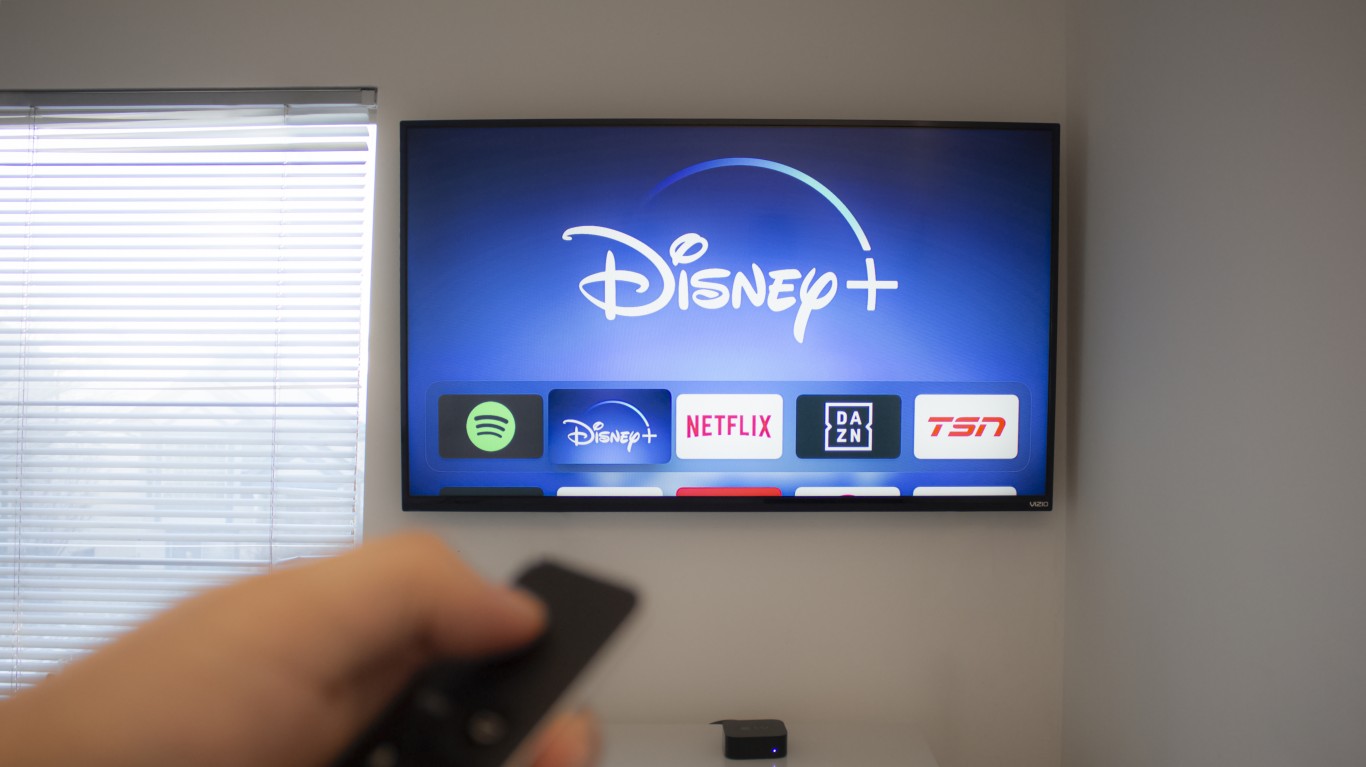
Netflix may be preparing to make its biggest strategic departure from traditional streaming yet. A July 10 CNBC Executive Edge segment zeroed in on a Wall Street Journal report that Netflix (NASDAQ:NFLX | NFLX Price Prediction) is exploring a deeper push into live television and third-party streaming distribution that could eventually allow subscribers to purchase competing services through its platform.
The strategy could increase the amount of time subscribers spend inside Netflix, but it would also move the company beyond the controlled live events that have defined its approach so far. The CNBC hosts framed the move as a possible solution to weak engagement but questioned whether changing distribution would fix the underlying problem of the shows themselves.
“It’s Always About Content” (Netflix May Have a Content Problem)
Summarizing the WSJ article, one host said: “Netflix is looking to get into live TV… exploring adding live streaming channels to its service, or potentially allowing subscribers to use its platform to buy access to other streaming services like NBCUniversal’s Peacock.” The panel noted that “Netflix recently partnered with France’s TF1 to allow users in that country to watch some live content, including news. Other similar overseas deals could be a next step.”
The hosts contrasted that with Netflix’s earlier posture: “Netflix has been applauded for having a live TV strategy that was unscripted but were events that they created. They weren’t bidding against other parties for the rights… They would stage fights… things that were under their control.” Bidding for third-party live rights, in the hosts’ view, is a different game than staging your own events.
The hosts felt like Netflix might have underlying issues to address with its content: “I’ve been complaining about what’s on Netflix… there’s a lot of stuff I’m not engaged with. And I’ve tried to watch a dozen of their dramas… It’s always about content,” one host said, adding, “The content is king and it’s really hard to do. And Netflix, for me, I find myself on Paramount a lot more.” This is obviously one person’s perspective, but it’s worth keeping in mind the big role that content plays in Netflix’s business.
Top Netflix Shows Are Reportedly Losing 30-70% of Viewers
The hosts flagged that Netflix executives are concerned about engagement metrics measuring how long users watch particular programs. A widely discussed r/wallstreetbets thread this week, with 14,936 upvotes and 4,572 comments, cited reporting that Netflix’s top shows have been losing 30-70% of their audience between seasons 1 and 2, with executives trying to diagnose why.
Adding live channels or reselling Peacock could lift session time, but it will not repair the underlying retention issue.
Netflix’s Business Is Growing Even as Its Stock Slides
Netflix’s market cap sits at roughly $317.8 billion, with shares closing around $75.47 on July 9, 2026. The stock is down about 41% over the past year and roughly 20% year to date.
The business, meanwhile, has kept growing. Q1 2026 revenue came in at $12.3 billion, up 16% year over year, with a 32.3% operating margin. Netflix reaffirmed full-year 2026 revenue guidance of $50.7 billion to $51.7 billion and raised free cash flow guidance to roughly $12.5 billion, aided by an after-tax termination fee from the abandoned Warner Bros. Discovery deal. Netflix’s Q2 results are expected on July 16.
Can Live TV Fix Netflix, or Is It a Costly Retreat?
Netflix has already proved that controlled live programming can attract enormous audiences. The World Baseball Classic became its most-watched program ever in Japan, while the Canelo-Crawford fight drew more than 41 million viewers. But always-on channels, third-party streaming bundles, and multibillion-dollar sports rights would represent a fundamentally different strategy.
If live television and third-party distribution deepen daily engagement, Netflix could become an even more powerful entertainment platform. If viewers are leaving because its scripted originals are not holding their attention, however, expensive rights and rival-service bundles may treat the symptom without solving the problem. Investors will get an insight into management’s strategy on July 16 when management reports Q2 earnings.
Contact [email protected] for any questions or corrections.
Thomas Richmond is a financial writer and content strategist with 5+ years of experience covering stocks and financial markets. He has published over 250 articles focused on individual stock analysis, helping investors better understand business fundamentals, stock valuations, and long-term opportunities.
Thomas previously served as a Content Lead at TIKR, a stock research platform, where he helped scale the company’s blog to hundreds of articles per month and contributed to a weekly newsletter reaching more than 100,000 investors.
He specializes in breaking down complex companies into clear, actionable insights for everyday investors, with a focus on fundamentals-driven research.
His work has also been featured on platforms including Seeking Alpha and Sure Dividend.
Outside of work, Thomas enjoys weight lifting and soccer.