Signs You’re Living Within Your Means. And Signs You’re Living Above Them
Living within your means is one of the most important habits for financial success. Ideally, we would all like to find this sweet spot, consistently living an affordable lifestyle. Spending more than you earn can lead to overwhelm, growing debt,…

This post may contain links from our sponsors and affiliates, and Flywheel Publishing may receive compensation for actions taken through them.
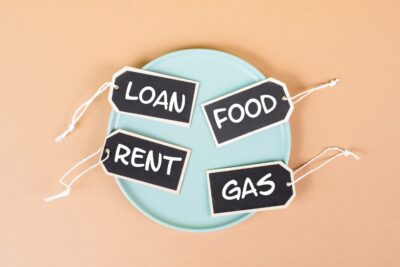
Living within your means is one of the most important habits for financial success. Ideally, we would all like to find this sweet spot, consistently living an affordable lifestyle. Spending more than you earn can lead to overwhelm, growing debt, and financial stress. Knowing where you fall on the spectrum can help you make smarter decisions about your lifestyle, including saving, investing, and spending. While everyone’s situation is different, and at times quite nuanced, certain habits tend to dictate whether your financial situation is comfortably affordable or stretching your budget too far. Here are four signs you’re living within your means, followed by four signs you may be living above them.
Signs You’re Living Below or Within Your Means
You Regularly Save Money Without Thinking About It
One of the most obvious signs you’re living below your means is that saving money happens naturally. After paying your bills and covering everyday expenses, you still have money left over each month. You rarely look at your bank statements and wonder where your paycheck went. Instead, you’re regularly deciding how much to put toward savings, investments, or extra debt payments. Consistently reaching your financial goals without feeling deprived or stressed is a strong sign that your spending is adequately below your income.
Unexpected Expenses Don’t Throw Your Budget Into Chaos
Car repairs, medical bills, or a broken appliance are almost always unforeseen and never enjoyable. However, if you’re living below your means, they don’t lead to a financial crisis. Instead of turning to credit cards in a panic, you can cover these costs with your emergency fund, extra savings, or excess monthly income. These unexpected circumstances are minor, temporary inconveniences and not massive problems. That peace of mind is one of the biggest advantages of keeping your expenses below your income.
You Can Make Large Purchases Without Going Into Debt
When it’s time to replace a laptop, buy a new car, or join your extended family on a vacation, you don’t automatically wonder how you’ll make it work. And you certainly don’t reach for a credit card. You’ve either planned for and saved for the purchase ahead of time or have enough room in your budget to pay for it spontaneously (and responsibly). Of course, financing can make sense in certain situations, but feeling forced to borrow for every big purchase is not a comfortable financial position to be in. Paying cash for these types of expenses is a sign your finances are solid.
Your Net Worth Continues to Grow
Living below your means doesn’t just help your monthly budget; it frees up cash for savings, which steadily builds wealth over time. Your savings, retirement accounts, and investments gradually increase year after year. Some people believe growing wealth comes down to raises in pay or getting a better job, but even if your income stays the same, your finances improve because you’re consistently keeping more than you spend. Stacking money this way is one of the strongest signs that your lifestyle is beyond affordable.
Signs You’re Living Above Your Means
You Depend on Credit Cards to Get Through the Month
Occasionally using a credit card isn’t a problem, especially if the balance is fully paid every month. However, if you’re charging items because your paycheck doesn’t cover your day-to-day expenses, you’re almost certainly spending beyond your means. Interest charges swiftly make your financial situation worse, increasing your monthly payments every time the balance goes unpaid. Debt that starts as a temporary solution can quickly become extremely burdensome and difficult to escape.
Your Emergency Fund Never Has a Chance to Grow
If every unexpected cost forces you to turn to savings (or you never were able to build savings in the first place), it’s time to reevaluate your spending habits. Living above your means tends to mean lacking a financial cushion entirely. Without an emergency fund, even the smallest of setbacks add up over the course of just a few months. They can easily get to the point where debt feels all consuming. Do your savings account a favor and do everything you reasonably can to leave room in your budget.
Every Raise or Windfall Quickly Disappears
Getting a raise, an unexpected inheritance, a tax refund, or otherwise unanticipated cash should improve your financial position. But the dreaded “lifestyle inflation” often keeps this from happening. Instead of increasing savings or finding new investments, every extra chunk of money is immediately spent. Common areas of spending include moving to a larger home, buying a new car, or taking more expensive vacations. You quickly adapt to this new lifestyle, and your budget feels just as tight as it did before the extra money. If higher income never seems to improve your savings, take a hard look at your lifestyle. It may be expanding too quickly.
You’re Constantly Worried About Money Despite a Good Income
Common sense tells us that people earning high salaries should be immune from financial stress, but surprisingly, this is often not the case. In fact, some people with impressive salaries struggle just as much as those with much smaller paychecks. This can happen due to chronic lifestyle inflation (see above). People who allow their expenses to grow right along with their income find themselves financially frustrated all over again. If you earn a solid income and still regularly feel anxious about paying bills or checking your bank account, it might be time to take a hard look at your spending patterns. Bringing monthly expenses back down may be challenging at first, but a new budget will lead to greater peace of mind and more savings.
Contact [email protected] for any questions or corrections.