Millions of 401(k) Holders Could Be Forced to Buy Anthropic Stock. Forced Buying of SpaceX Has Already Cost Retirement Accounts $500 Million.
Nasdaq rewrote its own rules to fast-track SpaceX into the index, and passive funds had no choice but to buy billions of shares at whatever price the closing auction set. Anthropic's IPO could trigger the same mechanism, and this time…

Anthropic filed confidentially for a US initial public offering with the Securities and Exchange Commission on June 1, 2026, targeting a Nasdaq listing in September or early October at a last private valuation of $965 billion, with Goldman Sachs, JPMorgan, and Morgan Stanley leading an offering that aims to raise more than $60 billion. Investors have discussed a potential listing valuation of up to roughly $2 trillion, a figure built on Anthropic’s explosive revenue growth: its annualized run rate reached $65 billion by the end of July 2026, up from $47 billion in May. If Nasdaq applies the same accelerated inclusion rule it wrote for SpaceX, tens of millions of retirement accounts could become Anthropic shareholders without a single account holder placing an order. The SpaceX precedent shows exactly how that mechanism plays out.
The SpaceX Precedent
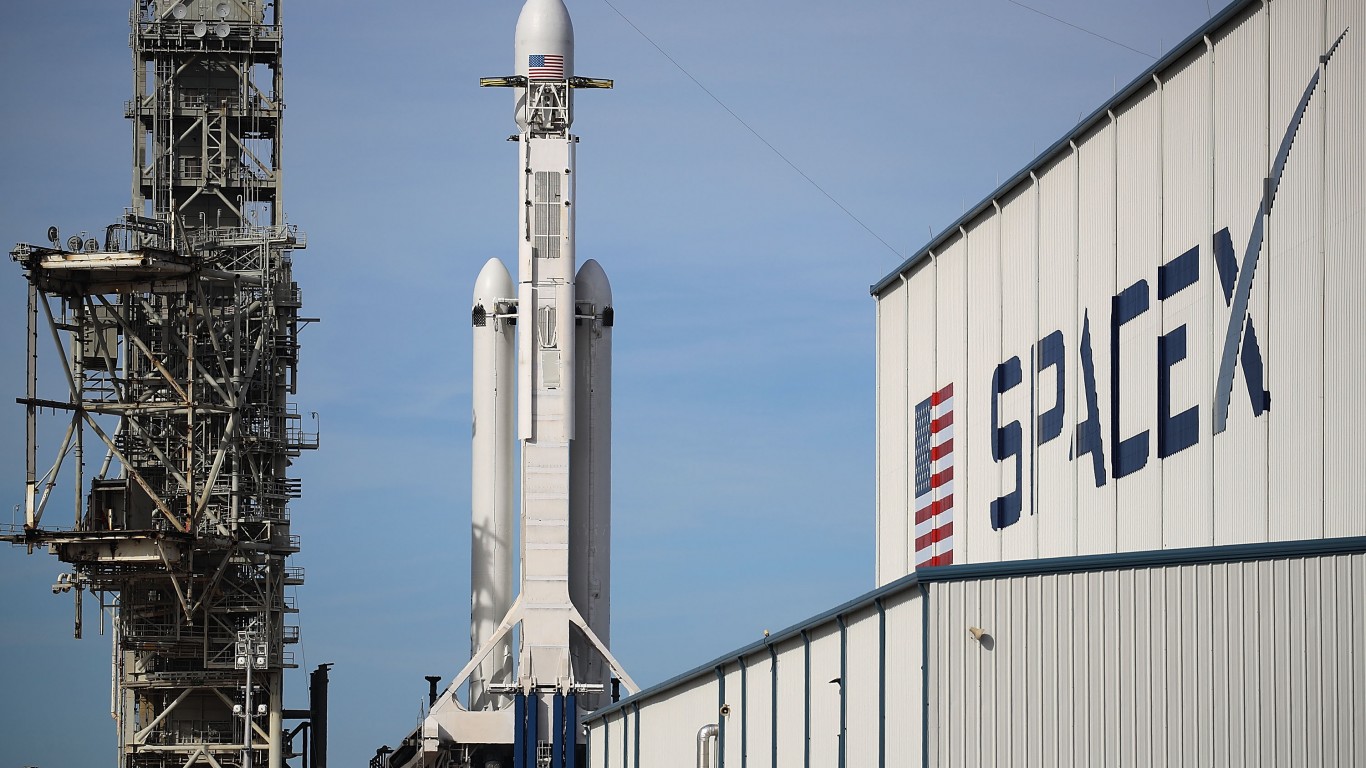
Space Exploration Technologies (NASDAQ:SPCX | SPCX Price Prediction) priced its IPO at $135 per share on June 11, 2026, raising roughly $75 billion in the largest initial public offering in history. The stock closed its first trading day at $161, up 19% from the offering price. It then joined the Nasdaq-100 on July 7, 2026, just 15 trading days after listing, after Nasdaq revised its eligibility rules for newly public mega-cap companies. JPMorgan estimated Nasdaq-100-tracking funds, chiefly Invesco’s QQQ, needed to purchase roughly $4.3 billion of SpaceX shares, executed during the July 6 closing auction so portfolios would match the index at the next day’s open. ETF.com put total passive demand tied to Nasdaq-100-linked products into the tens of billions of dollars, with some estimates in the $22 billion to $27 billion range. The forced buying priced through around $160 per share, well above the IPO price. Index funds buy what the rulebook tells them to buy.
The Swing
SpaceX has been volatile since its debut. Shares climbed as high as $225.64 shortly after the June IPO, then fell as low as $104.83 following its first quarterly report, which included heavy AI infrastructure capital expenditures, and ahead of a first lockup expiration that made roughly 911.5 million additional shares eligible for sale by August 6. At that trough, the paper loss to index-fund holders on the forced buy was estimated at around $1.4 billion. As of the September 7 close at approximately $148, SPCX sits about 7.5% below the $160 forced-buy price, leaving estimated unrealized losses to passive funds at roughly $300 million to $350 million on that specific tranche. The stock recovered sharply in August, gaining around 32% over the month after hitting its lows. SPCX remains volatile inside its $104.83 to $225.64 52-week range, and a second staggered lockup release of approximately 319 million shares arrived on September 9, adding more potential supply to the float.
Why the Damage Is Contained
These are unrealized paper losses that can reverse as the stock moves. SpaceX represents about 0.9% of QQQ’s total portfolio, so Invesco QQQ Trust (NASDAQ:QQQ), which manages approximately $500 billion in assets and was up roughly 19% year to date through mid-August, has absorbed the drag with room to spare. Several analysts remain constructive on SpaceX. Morgan Stanley initiated coverage at overweight with a $300 target, Bernstein at outperform with a $239 target, and Oppenheimer raised its target to $280 in September. A December 8 to 9 full 180-day lockup expiration, plus a Q3 earnings-linked unlock expected in November, will be the next major tests of whether that analyst confidence holds against increased share supply.
Back to Anthropic
Anthropic’s situation closely parallels what SpaceX went through: a mega-cap Nasdaq listing, a valuation near $2 trillion as reported by Quartz, and a rulebook that now allows index inclusion within 15 trading days. Three things remain unsettled. Anthropic has not set a share price, share count, or confirmed listing date, and timing depends on market conditions, regulatory review, and investor demand. Nasdaq has not confirmed it will apply the fast-track rule to Anthropic. And even if it does, resulting flows depend on float, weighting, and the price at which passive buyers get filled. As for the race between Anthropic and OpenAI, prediction markets have grown more uncertain since mid-August: Polymarket showed September 30 IPO odds for OpenAI near 1% by late August, with some traders speculating an OpenAI debut could slip to 2027. Anthropic’s October window currently looks more achievable, though neither company has confirmed timing.
The Lesson
Index funds buy mechanically, following the rulebook. The SpaceX experience shows money moves in size, fast, and mark-to-market swings can erase or restore hundreds of millions of dollars in a matter of weeks. If Anthropic lists this fall near its reported valuation and Nasdaq treats it the way it treated SpaceX, holders of Nasdaq-100 funds inside 401(k)s and IRAs may have little say in becoming shareholders. The signals to watch: the Anthropic S-1 going public, any Nasdaq statement on eligibility, and the closing auction on the trading day before inclusion. That is where the check gets written.
Editor’s note: This update corrects the SpaceX IPO price to $135 per share (from the article’s implied ~$160 forced-buy price context), refreshes Anthropic’s annualized revenue run rate to $65 billion as of July 2026, updates SpaceX’s share price and estimated passive-fund loss to reflect the September 7 close near $148, adds the September 9 staggered lockup release of 319 million shares, and notes that prediction market odds for an OpenAI 2026 IPO have narrowed significantly since mid-August.
Contact [email protected] for any questions or corrections.
AJ spent 10 years writing about financial markets at The Motley Fool. His coverage centers on technology stocks and the broader macroeconomic trends, from interest rates to geopolitics, that shape where markets are headed next. AJ is drawn to the stories where big-picture economics and individual companies collide.