This $3.2 Billion Novartis Bet Is Not a New Drug. It Is a Better Way to Take One
Novartis just committed billions not to discover a new drug but to change how an existing one enters your body. The reason why that quiet engineering bet could matter more than a blockbuster pipeline win is buried in the fine…

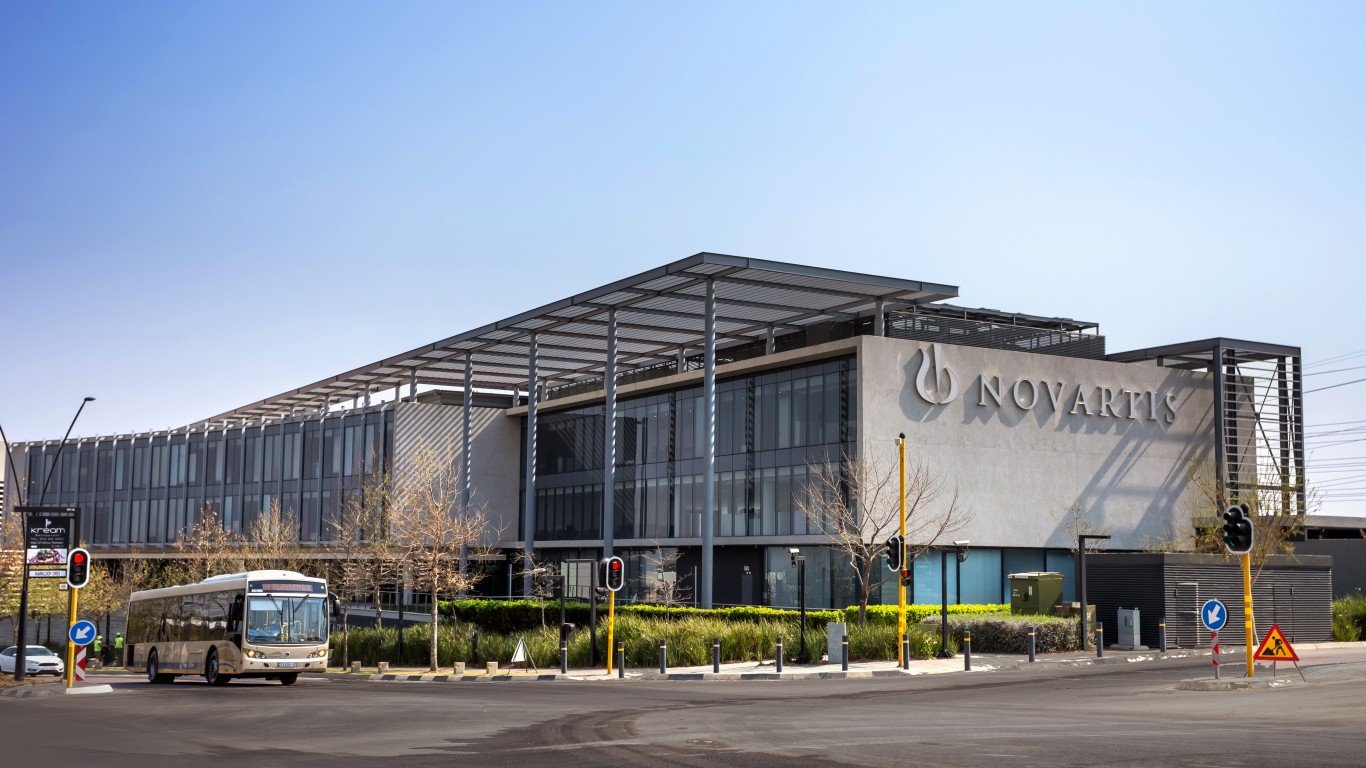
Novartis (NYSE:NVS | NVS Price Prediction) has agreed to pay up to roughly $3 billion for multiple options to license Alteogen’s Hybrozyme drug-delivery platform.
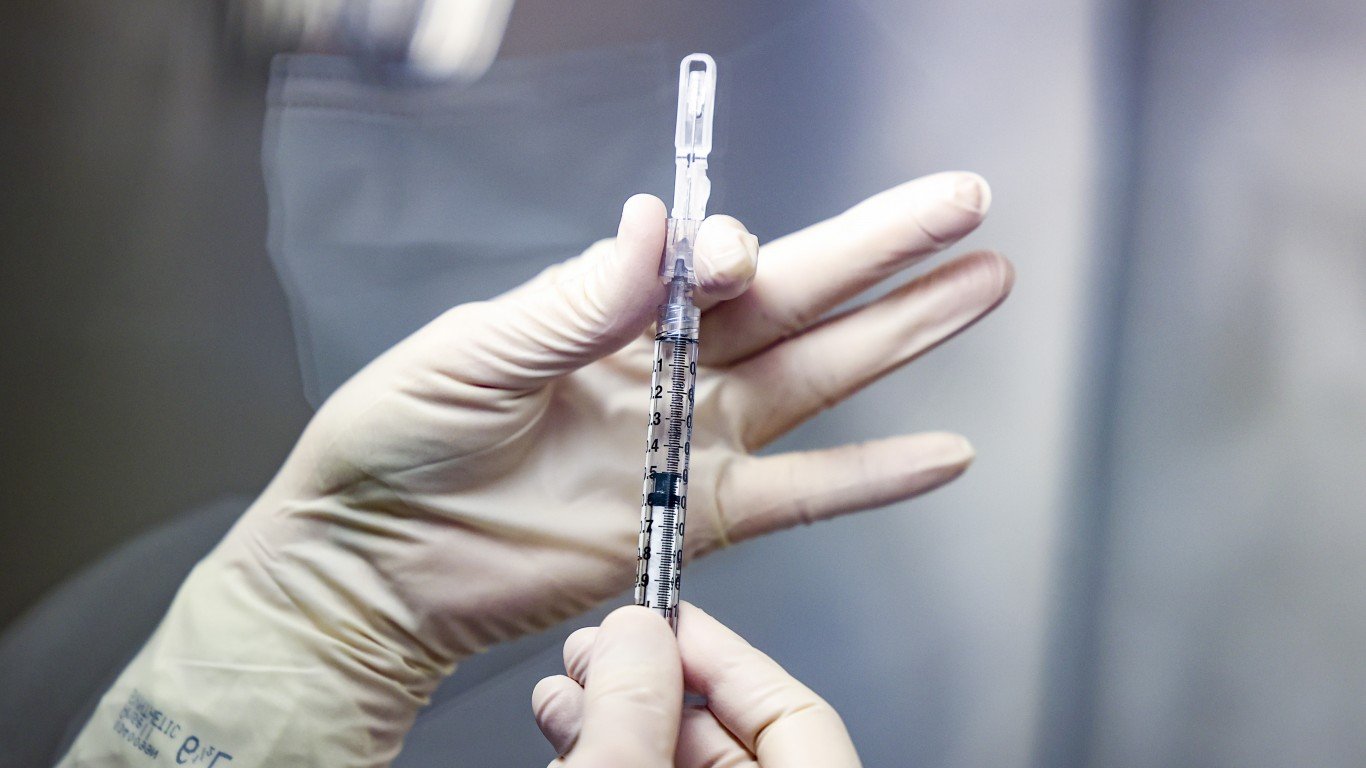
Read the deal carefully, and the money is buying convenience: a way to deliver existing biologics faster and more easily. The platform uses ALT-B4, also known as berahyaluronidase alfa, to temporarily break down hyaluronan beneath the skin, allowing large biologic molecules to spread and be absorbed more quickly, thereby converting drugs normally given by long intravenous infusions into a short subcutaneous injection.
The maximum headline value includes option fees, development and commercial milestones, and royalties, most of which are contingent. Novartis, which trades in the U.S. as an ADR, sits at a $162.46 share price and roughly $308.79 billion market cap, with legacy franchises like Entresto down 42% on generic entry. Against that backdrop, better ways to administer a working drug are one of the most underrated returns on capital in large pharma.
What Hybrozyme Actually Does
Hyaluronan is a gel-like sugar in the tissue under your skin that resists the spread of large molecules. Inject a big antibody there, and it stalls. Alteogen’s enzyme locally and temporarily loosens that mesh, letting the antibody diffuse and be absorbed within minutes. The same approach was validated in the commercial setting through the injectable formulation of Merck’s Keytruda, which received FDA approval in 2025. The specific Novartis medicines that would use the technology have not been disclosed.
A subcutaneous version of an established biologic carries dramatically lower clinical risk than a novel drug because the molecule already works. That asymmetry is why the contingent-milestone structure fits both sides. Novartis has already shown its hand here, with Kesimpta’s at-home auto-injector and Leqvio’s twice-yearly siRNA now a $452M quarterly franchise. When biosimilars arrive, a five-minute injection at home is a genuine reason for patients and payers to stay on the branded product rather than migrate to a cheaper infusion.
Practical Limits
A better product still has to overcome inertia. Switching an established therapy requires changing physicians’ habits and infusion centers’ economics, and some centers earn revenue from administering the older IV formulation. Licensing also means renting the capability. The royalty stream flowing to Alteogen becomes a permanent claim on the reformulated product’s revenue, which is the real cost of not owning the platform.
Novartis trades near 23 times trailing earnings and 17 times forward, with an analyst target of $157.15 already exceeded after a 32.21% one-year gain. Growth drivers like Kisqali, Pluvicto, and Scemblix are scaling faster than Entresto is fading, and the 2027 EPS consensus is drifting higher to $9.81. Merck carries a higher Keytruda concentration risk; Novartis looks more diversified with biosimilar exposure.
The stock is a Buy for investors who want steady compounding with a 3.08% yield and a credible lifecycle-defense playbook, though appreciate that much of the near-term upside is priced in.


Contact [email protected] for any questions or corrections.
Omor Ibne Ehsan is a writer at 24/7 Wall St. He is a self-taught investor with a focus on growth, cyclical, and dividend equities that have strong fundamentals, value, and long-term potential. He also has an interest in high-risk, high-reward investments such as penny stocks.