In 1962, A Florida Man Borrowed $5,000 From His Father To Start A Single Truck Trash Hauling Business. Four Decades Later He Had Built 3 Different Fortune 500 Companies. Here’s The Story Of How Wayne Huizenga Made His $2.8 Billion Fortune
Wayne Huizenga started with a borrowed $5,000 and a single garbage truck, then pulled off something Forbes says no entrepreneur has ever repeated before or since.

This post may contain links from our sponsors and affiliates, and Flywheel Publishing may receive compensation for actions taken through them.
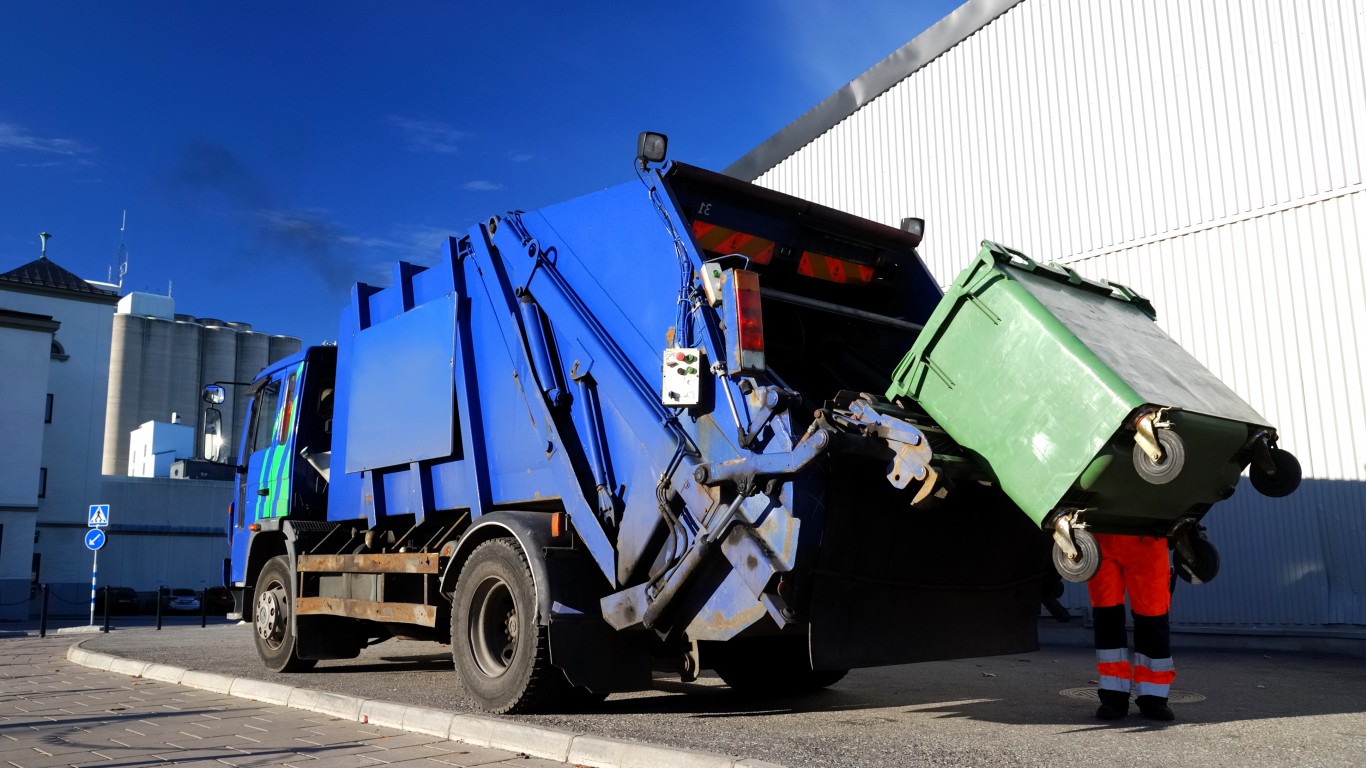
In 1962, Wayne Huizenga borrowed $5,000 from his father to buy a used truck and a few accounts from a Fort Lauderdale trash hauler. The venture was called Southern Sanitation Service. He reportedly collected garbage from two in the morning until early afternoon, then spent his afternoons finding new customers. One truck, one owner doing the hauling and the selling, and a few of accounts.
Huizenga got his start in Evergreen Park, Illinois, before moving to Florida where he would run the same method through three unglamorous industries.
How Waste Management Wrote the Rollup Playbook
By 1968, Huizenga was running twenty trucks from Fort Lauderdale to Key West. Dean Buntrock, a relative who ran the original family garbage business, proposed a merger, and together they formed Waste Management (NYSE:WM | WM Price Prediction).
The company went public in June 1971, raising about $4 million. Within eighteen months, it had acquired about seventy-five local haulers from Chicago down the East Coast to Florida, and by 1972 operated across nineteen states.
Owners were paid in company stock and kept on as managers. Pay in stock, keep the operator. The seller became a shareholder with incentive to grow the business, customer relationships stayed intact, and the buyer saved cash. That formula runs through everything that follows.
By 1984, Waste Management generated over $1 billion in revenue. Huizenga was worth at least $21 million when he retired at 46.
Blockbuster Ran the Same Method on Video Rental
In 1987, he invested in Blockbuster, then just eight company-owned stores plus eleven franchises. Within a year it became the world’s largest video-rental chain, reaching 1,654 stores by 1991. Viacom bought it for $8.4 billion in 1994. Same target: a fragmented business with no national brand, consolidated fast.
AutoNation Made It Three for Three
In 1995, Huizenga personally committed $64 million and raised $168 million to buy Republic Waste Industries, renaming it Republic Industries and later AutoNation (NYSE:AN). Within six months he had acquired sixty-five dealerships and opened eleven used-car superstores. By 1999, AutoNation owned or had deals for about four hundred new-car dealerships.
Forbes called him the only entrepreneur to create three different Fortune 500 companies. CNBC described him as the AutoNation and Waste Management founder.
Three Leagues, One Owner
ABC News reported he was the first person to own teams in three major U.S. pro sports leagues: the Miami Dolphins, the Florida Marlins (which he founded and which won the 1997 World Series), and the Florida Panthers (which he also founded).
What Survived the Founder
Huizenga died on March 22, 2018, at 80. Forbes put his net worth at his death in 2018 at $2.8 billion. Mike Jackson, who led AutoNation at the time, told CNBC, “He had a magic ability to create a business that was unmatched.”
Look at what became of the three companies. WM, formerly Waste Management, trades on the NYSE with a market capitalization of about $81.86 billion. AutoNation, also on the NYSE, has a market capitalization of about $5.13 billion. Blockbuster no longer exists.
One became an enormous industrial business, one is a fraction of its size, and one was erased by technology. The playbook worked three times.
Contact [email protected] for any questions or corrections.
AJ spent 10 years writing about financial markets at The Motley Fool. His coverage centers on technology stocks and the broader macroeconomic trends, from interest rates to geopolitics, that shape where markets are headed next. AJ is drawn to the stories where big-picture economics and individual companies collide.