15 Best Pieces of Financial Advice From Buffett, Orman, and More
Buffett tells ordinary investors to ignore almost everything he does for a living, Orman's emergency fund target is twice what most people aim for, and several other rules on this list contradict each other in ways worth understanding before you…


Money advice gets weird fast. One person tells you to kill debt before worrying about investing. Another wants your investments running on autopilot. Someone else thinks the smartest thing you can do with your money is mostly leave it alone.
For this list, we pulled one of the most useful, repeatable lessons from 15 of the biggest names in personal finance and investing, then went back to the source instead of relying on the shortened versions that get repeated online. Some of these rules are nearly universal. Others are better treated as starting points. Either way, each one gives you something practical to think about the next time your paycheck hits.
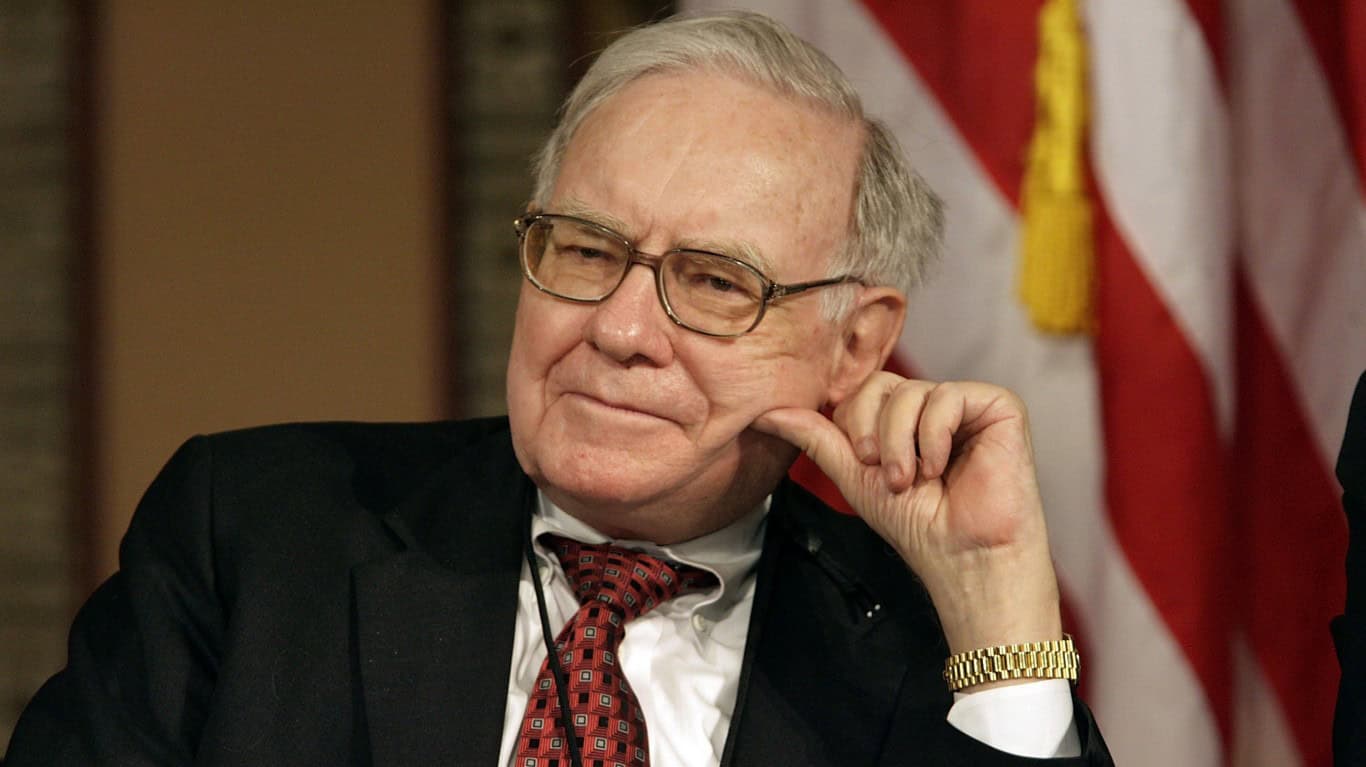
Warren Buffett: Keep It Simple With a Low-Cost Index Fund
Warren Buffett: Keep It Simple With a Low-Cost Index Fund
Warren Buffett has spent a lifetime picking individual businesses, but his advice for most ordinary investors is much simpler. In Berkshire Hathaway’s 2013 shareholder letter, Buffett said the trustee managing money for his wife should put 90% into a very low-cost S&P 500 index fund and 10% into short-term government bonds. The bigger lesson is not that everyone needs that exact 90/10 split. It is that most people do not need to outsmart Wall Street. Broad diversification, low fees, patience, and very little tinkering can do a lot of the heavy lifting. If you do not have the time or desire to analyze businesses for a living, Buffett’s version of simple is pretty compelling.
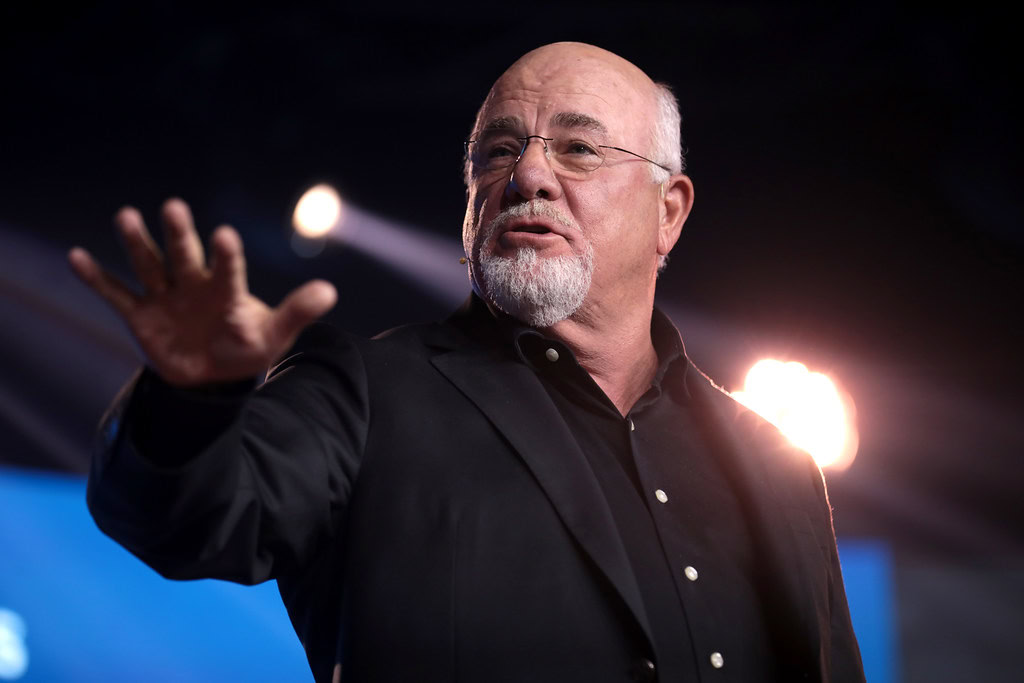
Dave Ramsey: Use Small Wins to Get Out of Debt
Dave Ramsey: Use Small Wins to Get Out of Debt
Dave Ramsey’s signature debt strategy is the debt snowball. After building his $1,000 starter emergency fund, Ramsey tells people to list non-mortgage debts from the smallest balance to the largest, make minimum payments on everything, and throw every extra dollar at the smallest debt first. Once that one is gone, roll the payment into the next balance. Mathematically, paying the highest interest rate first can save more interest, so the snowball is not automatically the cheapest method. Ramsey’s point is behavioral. Knocking out a small balance gives you a visible win and makes it easier to stick with the plan. If motivation is the part that keeps derailing you, that matters.
Suze Orman: Build a Bigger Emergency Fund Than You Think

Suze Orman: Build a Bigger Emergency Fund Than You Think
Suze Orman has never been shy about wanting a bigger cash cushion than most financial rules of thumb suggest. Her current guidance is to work toward eight to 12 months of must-pay living expenses in a safe, liquid savings account. That is a much taller order than the common three-to-six-month target, and most households are not going to get there overnight. Orman’s point is that job searches, health problems, and other disruptions can last a lot longer than anyone expects. Start with what you can manage, get to one month, then two, then keep building. The goal is not to admire a giant savings balance. It is to make sure a bad month does not immediately become expensive debt.
Clark Howard: Freeze Your Credit Before Someone Else Uses It

Clark Howard: Freeze Your Credit Before Someone Else Uses It
Clark Howard has pushed one identity-theft move for years: freeze your credit with Equifax, Experian, and TransUnion. A credit freeze is free and blocks most new lenders from accessing your credit file, which makes it much harder for a thief to open a new account in your name. It does not shut down credit cards or loans you already have, and you can temporarily lift the freeze when you actually need to apply for credit. This is one of those rare money moves that costs nothing, takes relatively little time, and can prevent a spectacular headache later. Howard is especially clear on one point: do not pay for a credit lock when the federally protected freeze is free.
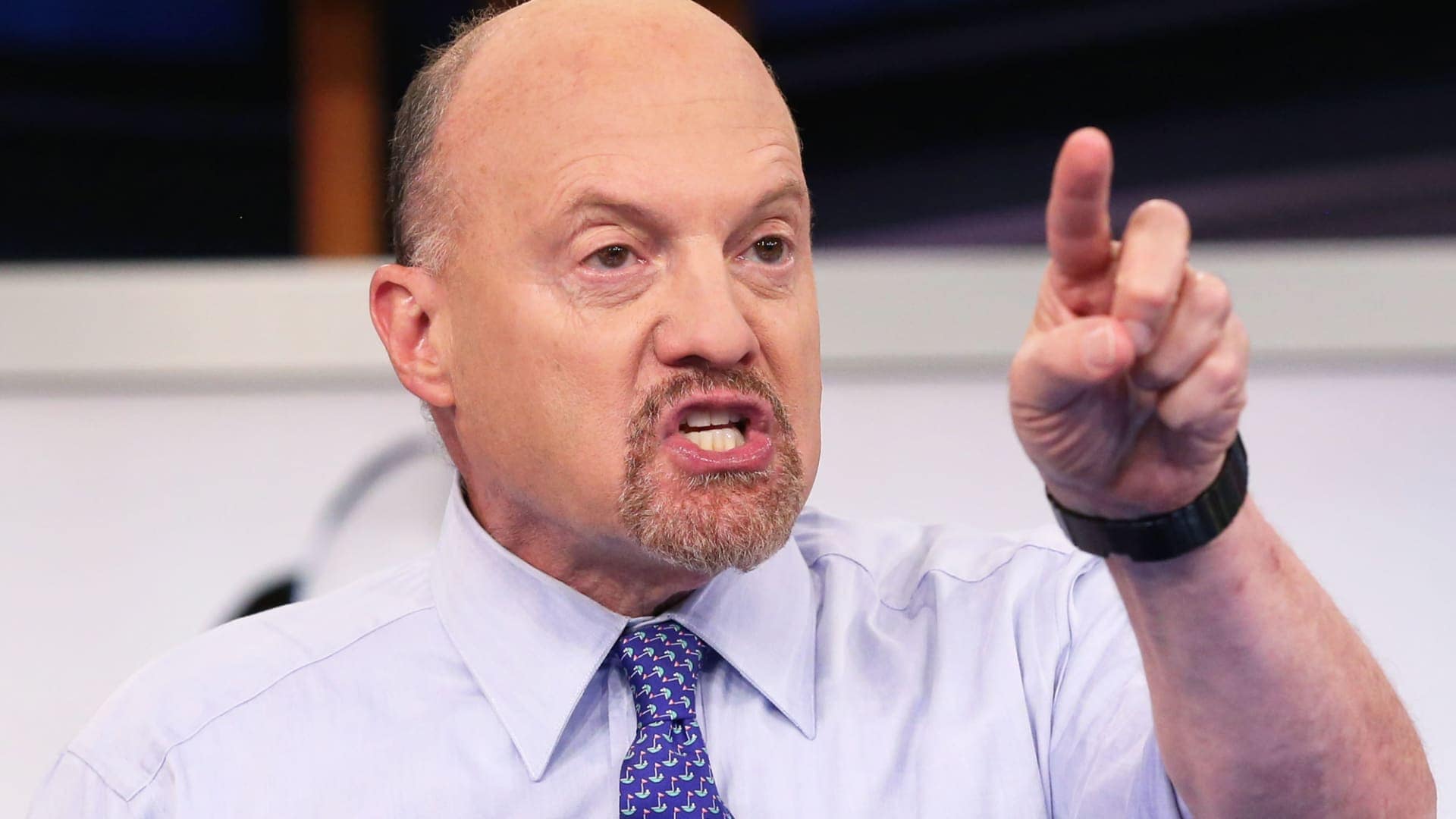
Jim Cramer: Five Stocks Are Not Diversified If They All Make the Same Bet
Jim Cramer: Five Stocks Are Not Diversified If They All Make the Same Bet
Jim Cramer has repeated some version of this rule for years: diversify across different sectors so one bad industry does not take the whole portfolio down with it. His basic individual-stock framework starts with at least five holdings from genuinely different parts of the economy. In 2026, that warning became even more relevant because companies in completely different sectors can still depend on the same AI or data-center spending boom. Five ticker symbols are not much protection if all five rise and fall for the same reason. If you pick individual stocks, look under the hood and ask what actually drives each company’s revenue. Diversification is about different risks, not just different names on the screen.
Ramit Sethi: Automate the Good Decisions

Ramit Sethi: Automate the Good Decisions
Ramit Sethi’s money system is built around a simple idea: stop relying on yourself to make the right decision every payday. Automate it. He recommends setting up money to flow automatically toward bills, savings, retirement accounts, and investments soon after your paycheck arrives. If you use credit cards and can pay them in full, those payments can be automated too. The point is not to stop paying attention to your money. It is to stop making the same routine decision over and over until you finally forget, get busy, or spend the cash first. A good system should keep working during a hectic week when budgeting is the last thing you want to think about.
John Bogle: Keep Costs Low and Stay the Course

John Bogle: Keep Costs Low and Stay the Course
Vanguard founder John Bogle spent decades making the case that investors should keep fees low, diversify broadly, and resist the urge to jump in and out of the market every time the headlines get ugly. His famous instruction to stay the course was not a promise that markets only go up. It was an argument that a long-term plan should be built to survive normal volatility without requiring you to guess the next top or bottom. Costs matter for the same reason. Every dollar lost to unnecessary fees is a dollar that cannot keep compounding for you. Bogle’s approach is almost aggressively boring, which is probably why it remains so useful in a world that constantly tries to make investing feel more complicated than it is.
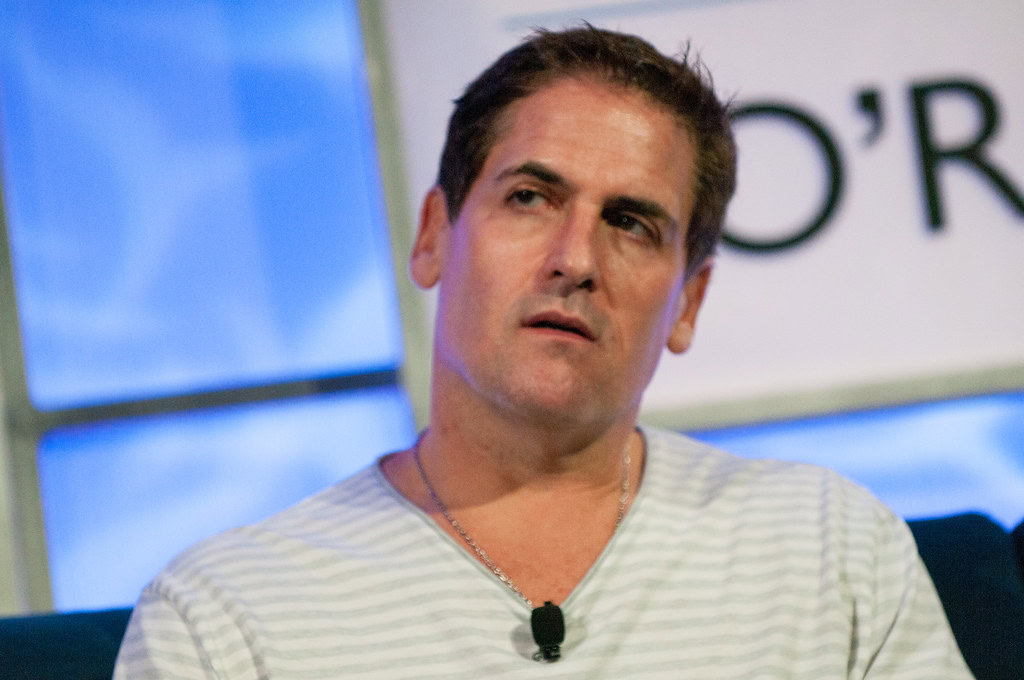
Mark Cuban: Do Not Carry Credit Card Debt If You Can Avoid It
Mark Cuban: Do Not Carry Credit Card Debt If You Can Avoid It
Mark Cuban’s credit-card advice is harsher than what most financial planners would say. He has repeatedly argued that people should avoid cards altogether, and has said one of his own mistakes was not paying his balances off every 30 days. You do not need to cut up every card to take the useful part of that advice seriously. Credit cards can help build credit and earn rewards when they are paid in full. The expensive part is carrying a balance. Investor.gov makes the same basic point: eliminating high-interest credit-card debt can beat trying to earn an investment return while the card is charging you double-digit interest. Rewards are nice. Paying 20% or more to earn them is not.
Peter Lynch: Start With What You Know, Then Do the Homework
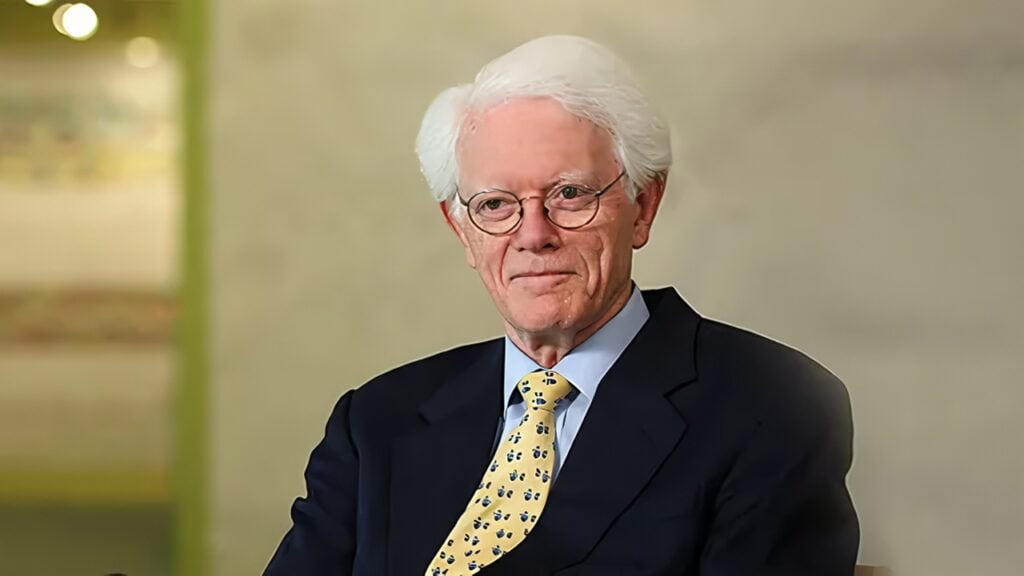
Peter Lynch: Start With What You Know, Then Do the Homework
Peter Lynch’s famous ‘buy what you know’ idea is often mangled into ‘buy stock in every company whose products you like.’ That is not the lesson. Lynch argued that your job, hobbies, shopping habits, or specialized knowledge can give you a useful place to start looking for investment ideas. Then comes the actual work. You still have to study the business, understand how it makes money, and decide whether the stock is worth owning at the price being offered. Seeing a packed restaurant or loving a new product may put a company on your research list. It does not replace the research. Familiarity can give you an edge, but only if you bother to use it.
David Bach: Pay Yourself First, Then Make It Automatic
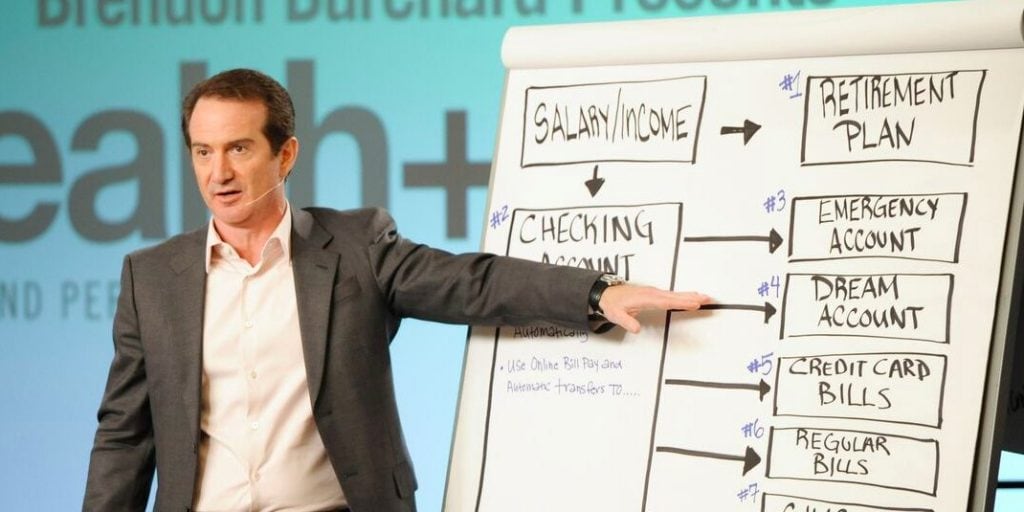
David Bach: Pay Yourself First, Then Make It Automatic
David Bach literally labeled this his No. 1 piece of advice for 2026: pay yourself first automatically. His version is to route part of your income toward retirement or savings before the money reaches the part of your account you casually spend from. Bach often frames the target as roughly one hour of income from each workday, but the exact percentage is less important than the system. If saving only happens when there is money left at the end of the month, there has a funny way of never being much left. Automatic payroll deductions and transfers reverse the order. Future-you gets paid before restaurants, subscriptions, and whatever somehow ended up in the online shopping cart at 11:30 p.m.
Tiffany Aliche: Before You Spend, Ask Four Questions
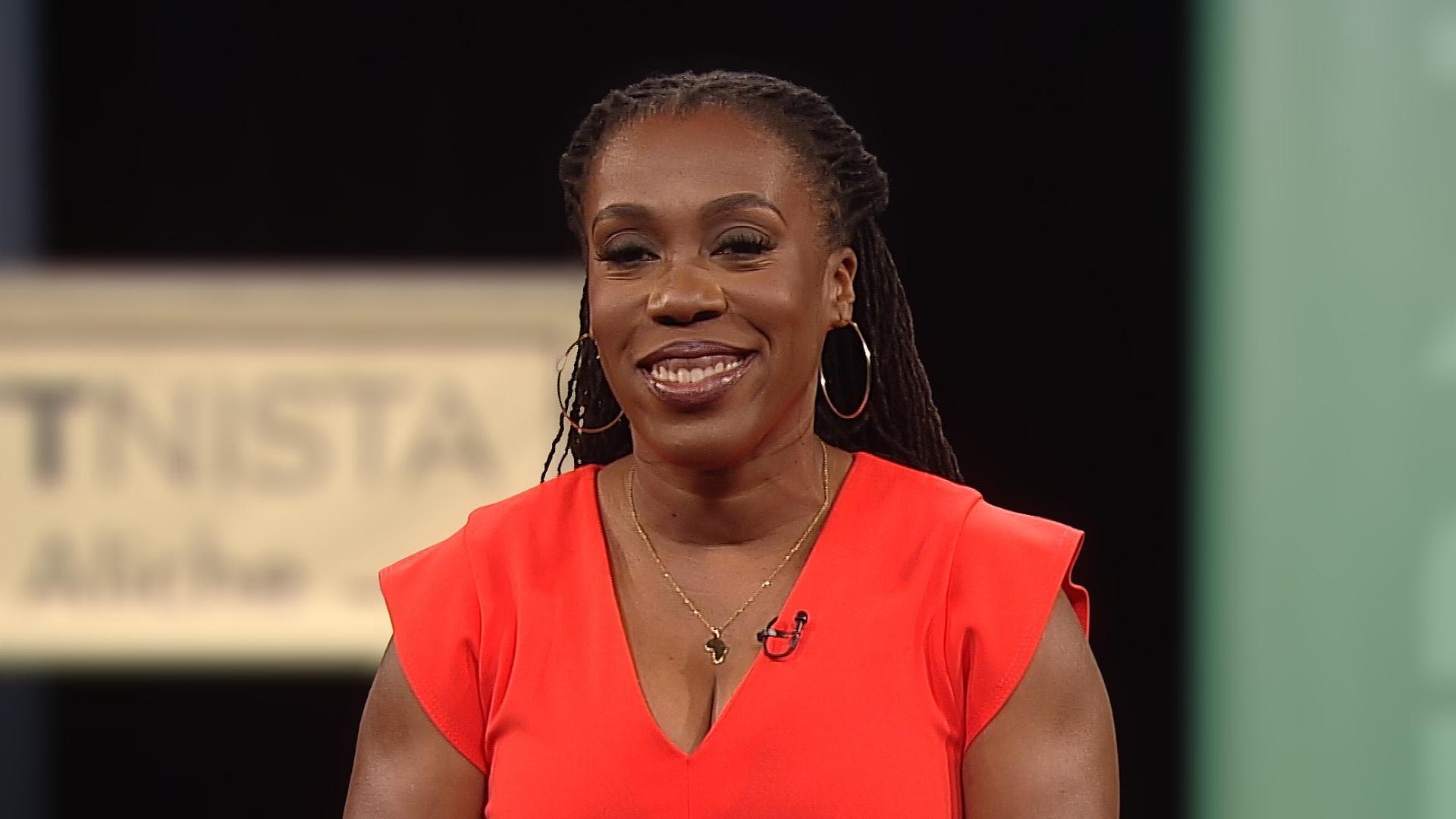
Tiffany Aliche: Before You Spend, Ask Four Questions
Tiffany Aliche, better known as The Budgetnista, has a wonderfully simple filter for spending: ask whether something is a need, a love, a like, or a want. That sounds almost too basic until you actually try it. Needs keep your life running. Loves may genuinely be worth building into the budget. Likes and wants are where a lot of money quietly disappears because we buy on autopilot and sort out the consequences later. The idea is not that you should never buy anything fun. It is that spending becomes a lot easier to control once you are honest about which category a purchase belongs in. Sometimes the best budget tool is just making yourself name what you are about to buy.
Jean Chatzky: Aim to Save 15% of Gross Income for Retirement
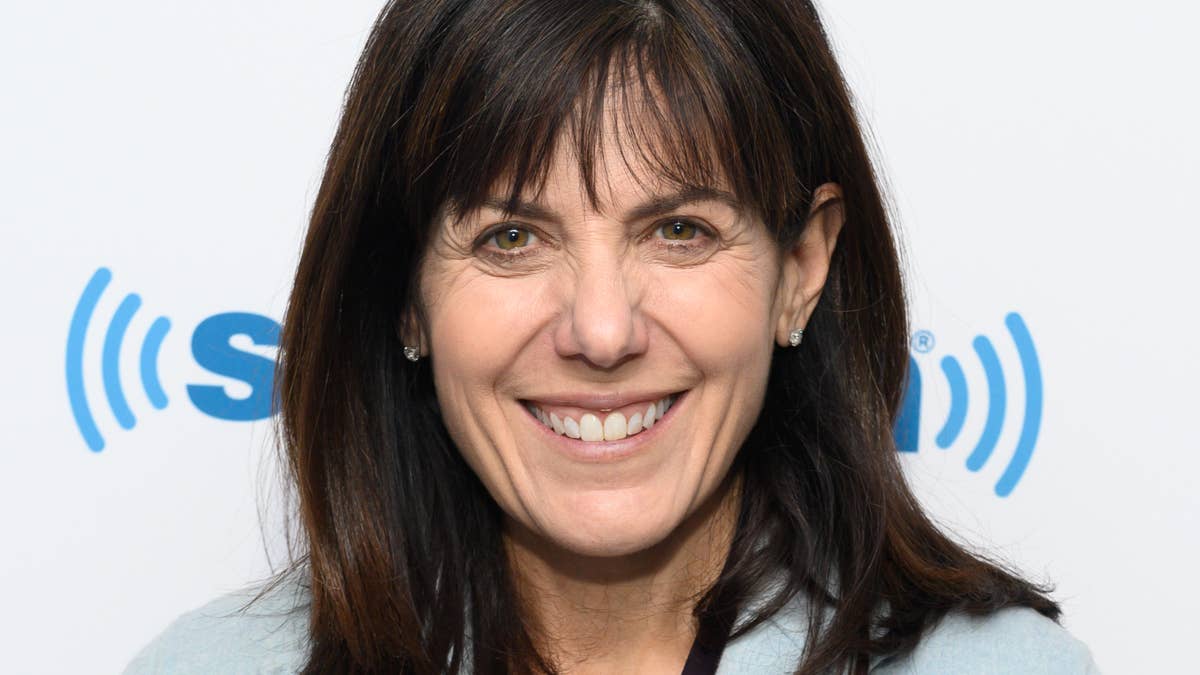
Jean Chatzky: Aim to Save 15% of Gross Income for Retirement
Jean Chatzky has long used 15% of gross income as a retirement-savings target for people who save consistently over their working lives. It is a rule of thumb, not a magic number. Someone who starts late, wants to retire early, or has little saved may need to contribute more. A worker with a strong pension may have a different calculation. Still, 15% gives people a concrete target instead of the wonderfully vague plan to ‘save more someday.’ Employer contributions can help, but the important part is knowing your actual percentage and moving it higher when you get a raise. Retirement tends to go better when the savings rate is a number you can measure, not a good intention you revisit every January.
Morgan Housel: Leave Room for Things to Go Wrong

Morgan Housel: Leave Room for Things to Go Wrong
Morgan Housel’s idea of ‘room for error’ may be the least exciting rule on this list and one of the most important. A financial plan that only works if your income stays perfect, the market cooperates, the car never breaks, and every forecast is right is not much of a plan. Housel argues that keeping some margin, whether that means cash reserves, manageable debt, conservative assumptions, or simply not pushing every investment to the limit, helps you stay in the game when reality refuses to follow the spreadsheet. The goal is not to eliminate risk. You cannot. The goal is to avoid one bad surprise becoming the event that forces you to sell, borrow, or abandon a good long-term plan at exactly the wrong time.
Tony Robbins: Know Who Is Advising You and How They Get Paid
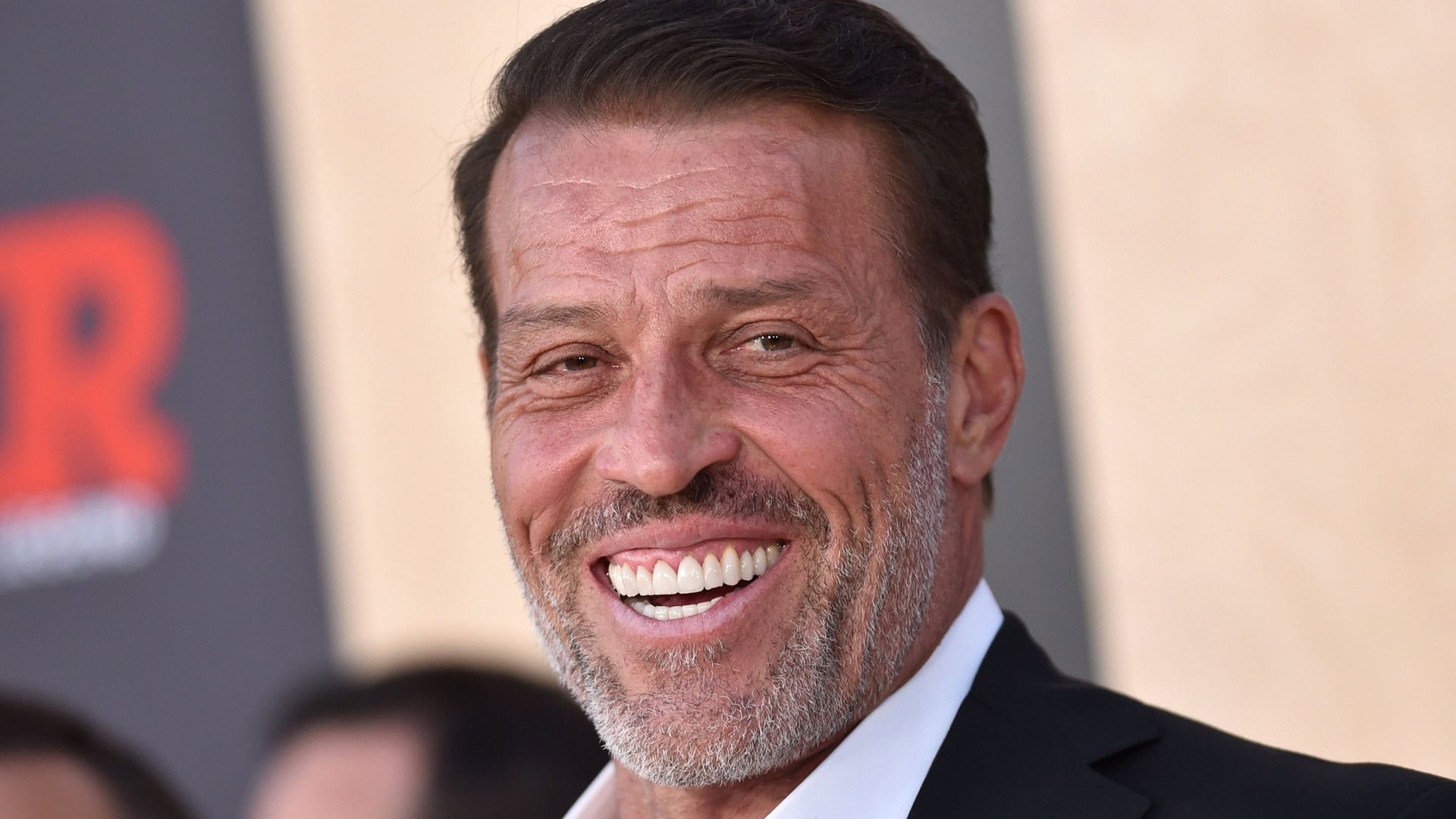
Tony Robbins: Know Who Is Advising You and How They Get Paid
Tony Robbins has spent years telling investors to pay attention to whether an adviser is acting as a fiduciary and to understand the fees and conflicts built into financial advice. That message is useful, but the legal details matter. Investment advisers are fiduciaries under federal law, while brokers must act in a retail customer’s best interest when making recommendations under Regulation Best Interest. Either way, do not stop at the job title on a business card. Read the firm’s Form CRS, ask what you will pay in dollars, ask how the person is compensated, and check their registration and disciplinary history. If someone gets uncomfortable when you ask how they make money from your account, that is information too.
Robert Kiyosaki: Buy Things That Put Money Back in Your Pocket

Robert Kiyosaki: Buy Things That Put Money Back in Your Pocket
Robert Kiyosaki’s most famous money lesson is his distinction between assets and liabilities. In the Rich Dad framework, an asset puts money in your pocket while a liability takes money out. That is not the same definition accountants use, so it is worth keeping the terminology straight. The useful idea underneath it is cash flow. A raise does not build much wealth if every extra dollar immediately becomes a larger car payment, pricier house, and new monthly subscription. Kiyosaki pushes people to deliberately acquire things that can produce income, such as businesses, investments, royalties, or cash-flowing real estate. You do not have to agree with every Rich Dad strategy to appreciate the basic question: is this purchase helping fund your future or creating another bill?
Contact [email protected] for any questions or corrections.