The Fed Just Found AI Is Starting to Cost Jobs in 5 of Its 12 Districts
The Federal Reserve's latest field report caught something the jobs data hasn't shown yet, and the implications for businesses, workers, and investors run in opposite directions at once.


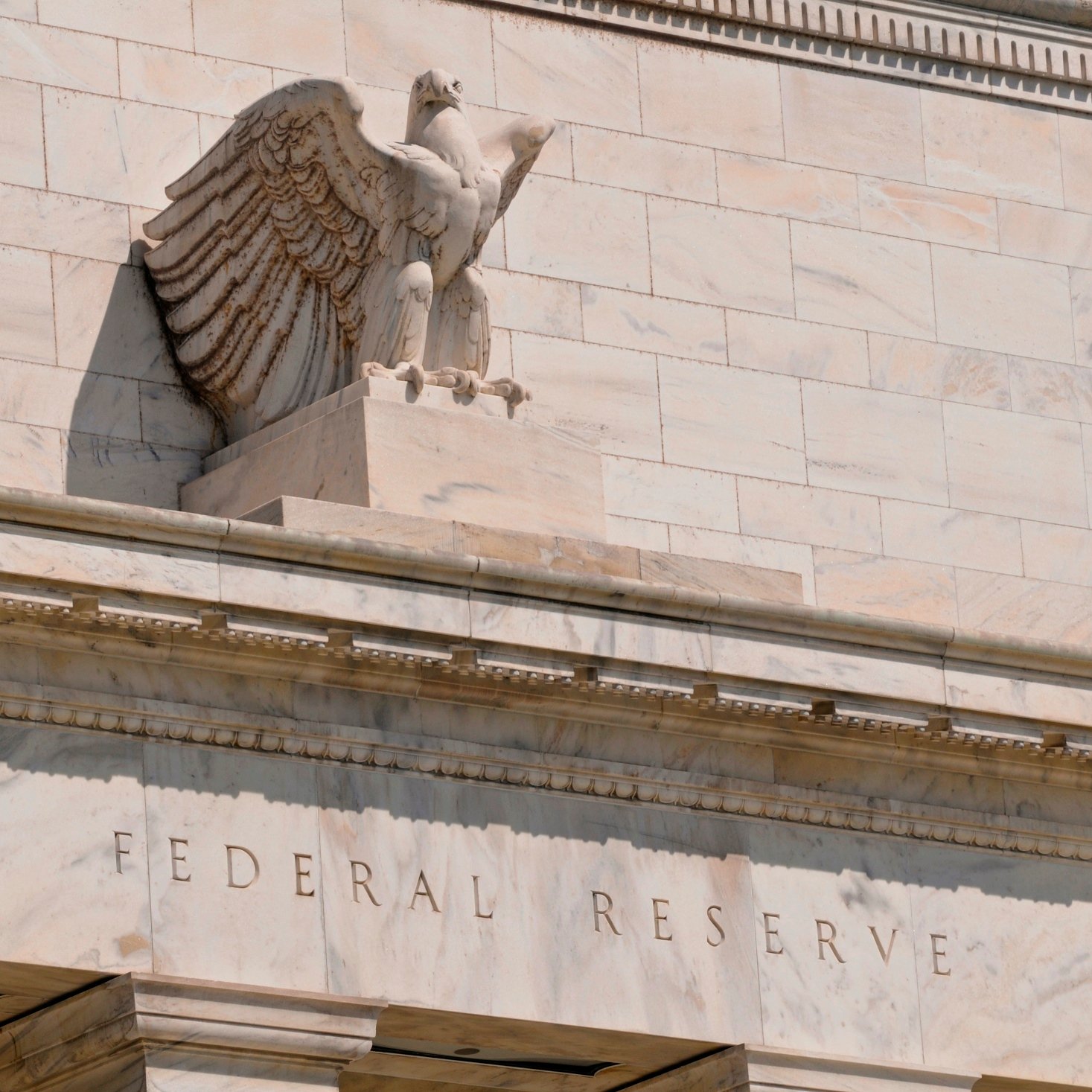
The Federal Reserve’s Beige Book, released October 14, 2026, brought artificial intelligence into the central bank’s field reporting on jobs across a meaningful share of the country for the first time. Five of the Fed’s twelve Districts said some firms had pulled back on staffing after investing in AI.
The September inflation report came out the same day and showed annual inflation of 3.7%. The SPDR S&P 500 ETF (NYSEARCA:SPY) closed down 1.08% at $769.60.
For two years, the market has priced AI as revenue for the companies that sell it. The Beige Book treats it as a cost tool. For the companies that buy it, savings like that reach profit margins long before they show up in anyone’s sales.
What the Fed Documented
Firms in five Districts had “either reduced staffing levels (through attrition), delayed hiring,” or expected to create fewer jobs after raising productivity through AI.
That means jobs left open when people quit or retire, and hires pushed back. The Fed did not name the five Districts, and it noted that “Most Districts described little or no net change in overall employment levels.”
The Beige Book is built from conversations with business contacts, so it picks up decisions made before they hit payroll data. That makes it an early warning, and its findings stay anecdotes until official numbers back them up.
Hard data still looks firm, as initial jobless claims were 197,000 for the week ending October 3, although unemployment edged up to 4.2% in September from 4.1%.
Companies that keep headcount flat while output rises keep more of each sales dollar, while labor-heavy service businesses that cannot automate still face wage pressure and get no such savings to offset it.
The wider risk falls on consumers. If hiring slows across many industries at once, household spending weakens, and over time that cuts into revenue at the AI winners as well.
Two Growing Districts and Rising Prices
Growth was also weak, as only two of the twelve Districts reported moderate growth in economic activity.
“Higher oil prices permeated all District reports,” and firms in several Districts “expect that prices will increase further in the coming months.”
Weak growth alongside 3.7% inflation makes the Fed’s next decision harder. The upper bound of its target rate is 4.00% after a September increase, and it would be hard to justify cutting while prices are still rising.
SPY owns the AI suppliers and the pressured service companies in a single fund. NVIDIA (NASDAQ:NVDA | NVDA Price Prediction) alone made up 7.58% of the fund as of March 17, 2026.
In practice, those two groups partly offset each other. That leaves the index depending mostly on whether its largest tech holdings keep growing.
Investors reacted calmly, as the VIX, which tracks expected stock market moves, stood at 15.27 on October 13, within its normal range.
What the Beige Book Means for SPY Holders
SPY’s long-term case looks solid. After a 1.08% drop on a report built from anecdotes, the fund is up 12.87% year to date, and nothing in the Beige Book points to a broad-based economic slowdown.
For this theme, the Invesco S&P 500 Equal Weight ETF (NYSEARCA:RSP) offers more direct exposure. The firms the Fed describes are ordinary businesses. They use AI to cut costs, and equal weighting gives them more influence than a fund led by a few chipmakers and cloud companies.
Three things will confirm or undercut this view. They are the next payroll report, the next Beige Book, and what big tech companies say about hiring on their earnings calls in late October 2026.
If SPY closes below $760.88, its price on September 14, 2026, the market will be treating the cost story as a demand problem. That would signal rising risk for the broader index.
Contact [email protected] for any questions or corrections.
Omor Ibne Ehsan is a writer at 24/7 Wall St. He is a self-taught investor with a focus on growth, cyclical, and dividend equities that have strong fundamentals, value, and long-term potential. He also has an interest in high-risk, high-reward investments such as penny stocks.