Big Landlords Could Face $1 Million Fines for Buying Houses Under a New Rule
A new federal rule threatens penalties that could dwarf the price of any single home purchase, and the two biggest single-family landlords in America just watched their stocks climb on the day it dropped.

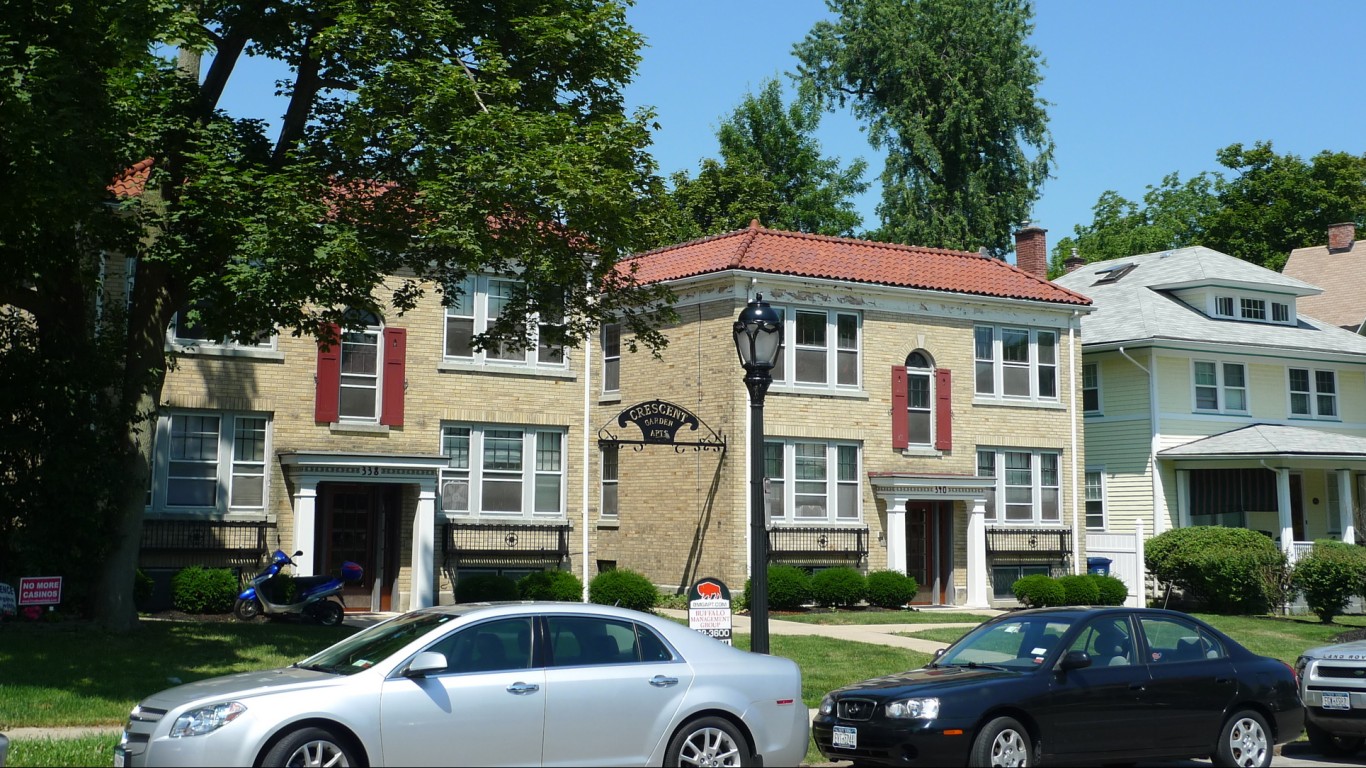
Starting January 7, 2027, a company could face a civil penalty. If it controls at least 350 single-family homes, the penalty could reach the greater of $1 million or three times the purchase price for each prohibited purchase. The Treasury Department proposed rules on October 22, 2026, that put this ban from the 21st Century ROAD to Housing Act into practice.
Invitation Homes (NYSE:INVH) and American Homes 4 Rent (NYSE:AMH) both sit far above that line, and both stocks rose on October 22. Invitation Homes gained 2.69% to close at $27.53, while AMH gained 3.10% to $31.90. The 10-year Treasury yield fell sharply that day, and that explains the move better than the rule does.
Congress already decided on the ban itself. Treasury’s proposal only defines its edges, and those edges will shape how these two landlords grow.
What the Law Bans and What Treasury Proposed
Section 1001 became law on July 11, 2026. Beginning 180 days later, a large institutional investor “generally may not buy, or contract to buy,” a single-family home unless the deal counts as an “excepted purchase.”
Treasury described the proposal as the first phase of a “phased rulemaking approach.” Publication in the Federal Register is scheduled for October 23, 2026, and comments are due 30 days after that. Later phases may cover compliance, reporting, and enforcement, so political risk remains.
How the $1 Million Penalty Math Works
The maximum fine is $1 million or three times the purchase price, whichever is greater, which makes $1 million the floor of the maximum and, on pricier homes, the multiple sets the ceiling.
Treasury can sue a violator, or the Justice Department can sue at Treasury’s request. A single purchase involving several related investors, such as a fund, its manager and its general partner, counts as one violation. Penalties apply only to prohibited purchases made on or after January 7, 2027, and no company has been fined.
Exemptions That Still Let Large Landlords Buy Homes
A build-to-rent home qualifies under three conditions. Nobody has lived in it as an owner, the investor buys it within 18 months of its certificate of occupancy, and renters are its first occupants. The renovate-to-rent exemption requires the investor to spend at least 15% of the price on improvements, or 10% under a safe harbor for spending on structural or core systems.
Purchases from another large investor that owned the home at enactment, or bought it legally, also qualify, so big landlords can still trade grandfathered rentals with each other, and with fewer eligible buyers, existing portfolios could rise in value. Treasury declined to extend build-to-rent to older rentals because that reading “appears to be inconsistent with the statutory text and purpose.”
What It Means for Invitation Homes and AMH
As of June 30, 2026, Invitation Homes owned 85,509 homes outright, held 8,069 in joint ventures and managed 15,639 for other owners. In the second quarter, it sold 657 wholly owned homes, many to owner-occupants, and acquired 196.
A landlord that sells more homes than it buys has little exposure to a purchase ban, and the law does not restrict its sales to families. Dallas Tanner, chief executive at the time of the July 30, 2026 earnings call, said: “Grandfathered scattered-site assets have a premium in the context of the new legislation.”
AMH owned more than 61,000 single-family properties and grows mostly by building its own homes. Industrywide, buying by large investors has fallen 31.8% in 2026.
Key Dates and Risks Investors in Invitation Homes and AMH Should Track
With a market value of $16.32 billion, Invitation Homes owns a grandfathered portfolio that the law protects from new big-buyer competition. The stock also trades below the $32.83 average analyst target.
AMH, worth $13.08 billion, has the growth model that depends least on Treasury’s final definitions. Building new homes involves no purchase of an existing house.
Invitation Homes is expected to report around October 28, and AMH around November 4. The case for both landlords weakens. That could happen if the final rule narrows the investor-to-investor or renovate-to-rent exemptions, or if Invitation Homes closes below its 52-week low of $23.45.
Contact [email protected] for any questions or corrections.
Omor Ibne Ehsan is a writer at 24/7 Wall St. He is a self-taught investor with a focus on growth, cyclical, and dividend equities that have strong fundamentals, value, and long-term potential. He also has an interest in high-risk, high-reward investments such as penny stocks.