Congress Wants China Chip Limits in the Defense Bill After Nvidia’s Spy Scandal

This post may contain links from our sponsors and affiliates, and Flywheel Publishing may receive compensation for actions taken through them.
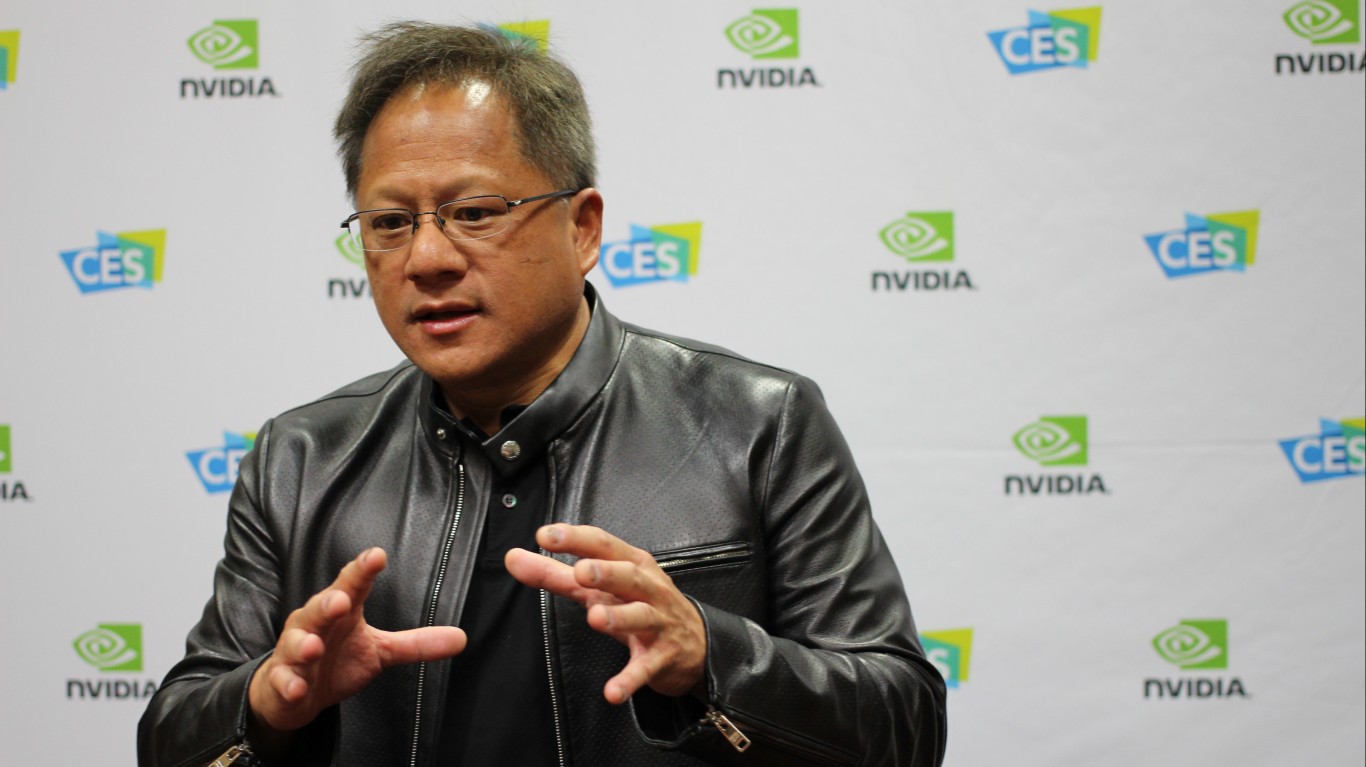
On Monday, November 9, 2026, House Democratic leader Hakeem Jeffries said he strongly supports restrictions on U.S. chip sales to China in the final National Defense Authorization Act (NDAA), the annual defense policy bill. He said Congress needs a full briefing on what happened at NVIDIA (NASDAQ:NVDA | NVDA Price Prediction), because a classified briefing for congressional leaders that day touched on the company only briefly.
NVIDIA closed down 4.27% at $178.67, a $4.31 trillion market value. After hours, it traded at $180.50, up 1.02%, at 7:59 p.m. ET. Congress has taken no vote, and none of these measures are law.

NVIDIA already sells very few data center chips in China. The rules under discussion, however, would give Congress a lasting say over who gets those chips.
What the Senate’s Defense Bill Would Actually Do
The Senate’s version of the bill, S. 4784, carries three measures. The AI Overwatch Act would let Congress review licenses for advanced AI chip sales to China and other countries of concern.
The Chip Security Act, from Reps. Bill Foster (D-Ill.) and Bill Huizenga (R-Mich.), would require companies to track their AI chips abroad. The Match Act would push allies to restrict sales of chipmaking equipment to China.
The House passed its $1.15 trillion version on July 22, 2026, by a four-vote margin, and the last five NDAAs were signed in December. One report on November 9 said limits on chip sales are unlikely to make the final text, but that report could not be confirmed.
China Revenue Is Already Out of NVIDIA’s Forecast
In the second quarter of fiscal 2027, Hopper shipments to China made up less than 1% of NVIDIA’s data center revenue. Third-quarter guidance of $108.0 billion excludes any revenue from data center compute sales in China.
A full China ban would do little to the forecast of $89.023 billion in quarterly data center revenue. Chip tracking would add compliance costs, although no one has provided an estimate. The larger risk is precedent, because congressional review of licenses would add a political step to sensitive sales in countries beyond China.
Why NVIDIA’s GAIN AI Win May Not Repeat
A similar measure, the GAIN AI Act, was reportedly left out of the final bill in December 2025, and NVIDIA CEO Jensen Huang called that decision wise. The Information Technology Industry Council, an industry group that includes NVIDIA, opposes the new measures. NVIDIA declined to comment.
The scandal weakens NVIDIA’s lobbying position. Sens. Elizabeth Warren (D-Mass.) and Jim Banks (R-Ind.) said what they called Huang’s confirmation of a relationship with a suspected Chinese spy makes these concerns “even more urgent.” Huang admitted infidelity but named no one, and China denies the spy claim that U.S. authorities reportedly made.

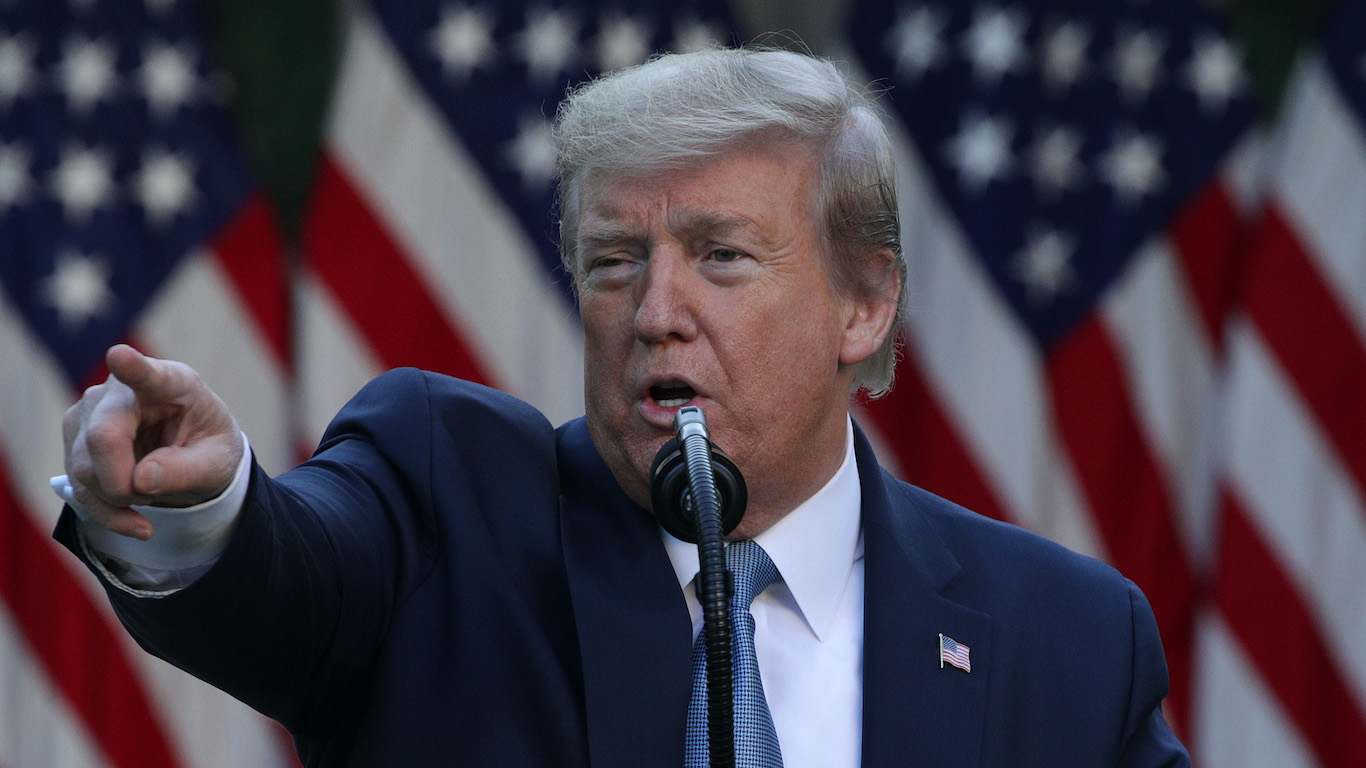
Foreign Affairs Chair Brian Mast, a Republican, said he would consider subpoenaing Huang for a closed-door briefing that Republican committee chairs requested for November 18. President Trump has publicly backed Huang, so the White House’s position will likely decide the result. Even if the provisions are dropped from the final bill, Democrats take control of Congress in January, and Jeffries is expected to become speaker.

Key Signals to Watch for NVDA Stock
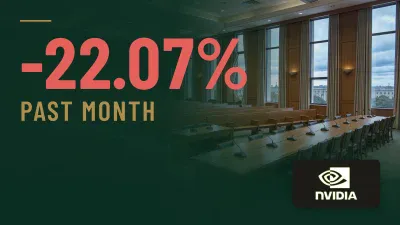
NVIDIA’s exposure to this policy fight looks limited. The policy fight targets revenue the company has already removed from guidance, and the stock has fallen 22.07% over the past month to a P/E (price-to-earnings ratio) of 36.
Second-quarter revenue reached $96.221 billion, up 105.85% from a year earlier. Management expects revenue to grow about 70% in fiscal 2028 and says supply is what limits that number. None of the proposed provisions target that demand.
You can check two conditions. First, see whether the November 17 earnings report guides fourth-quarter revenue above the $108.0 billion third-quarter outlook while still excluding China. If it does, the China fight has little impact on earnings. Second, if the final NDAA includes license review under the AI Overwatch Act, expect the stock to carry a political discount into 2027.
Contact [email protected] for any questions or corrections.
Omor Ibne Ehsan is a writer at 24/7 Wall St. He is a self-taught investor with a focus on growth, cyclical, and dividend equities that have strong fundamentals, value, and long-term potential. He also has an interest in high-risk, high-reward investments such as penny stocks.