United Airlines Had a “Widespread System Outage,” 3 Days After the FAA Ground Stop

This post may contain links from our sponsors and affiliates, and Flywheel Publishing may receive compensation for actions taken through them.
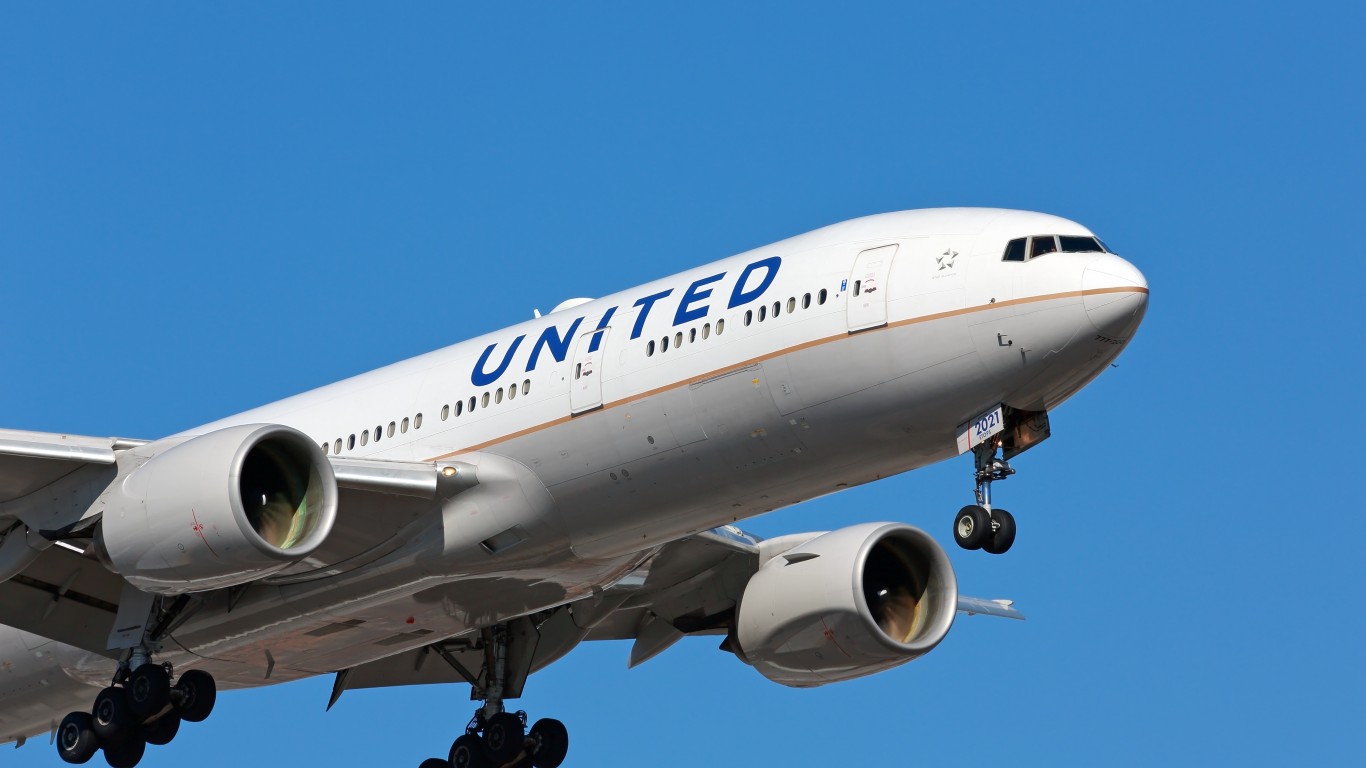
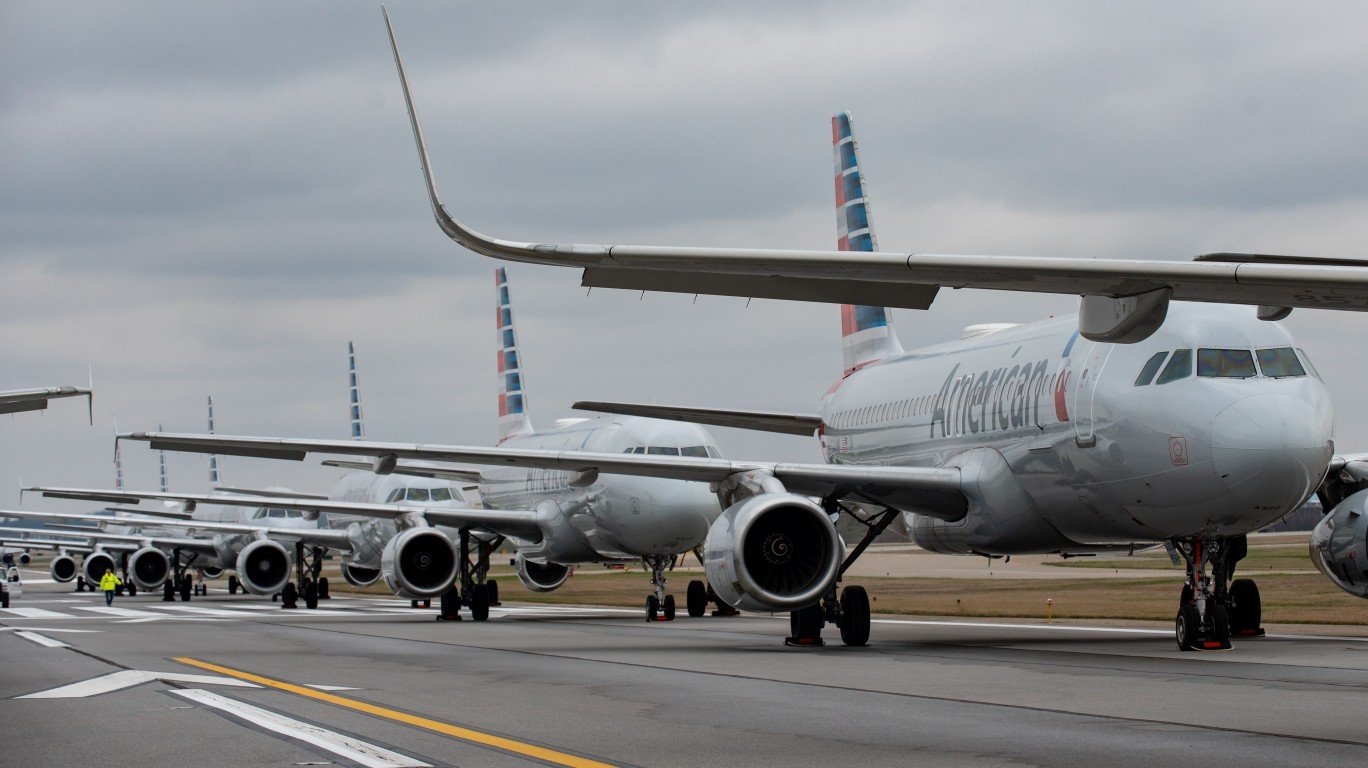
United Airlines’ official X account told a customer on Monday that it was “aware of the widespread system outage” and said teams were working to restore service. Departing flights were being held across its network.
The failure came one business day after the FAA’s nationwide ground stop on Friday, November 13, which ran from 3:36 p.m. to 8:15 p.m. ET. About 9,200 U.S. flights were canceled that Friday, and more than 6,400 were canceled on Saturday.
United Airlines (NASDAQ:UAL | UAL Price Prediction) closed November 16 at $110.76, up 1.33%, before the outage became public. That gave it a market value of $35.99 billion. After hours, the stock was at $109.70, down 0.96%, as of 7:57 p.m. ET. That is a small move, and nothing links it to the outage.

Management has spent years telling investors that technology is United’s edge. A second disruption in one period, with Thanksgiving falling on Thursday, November 26, tests that claim right before the year’s busiest travel days.
What Broke on November 16
United said the problem was fixed early that evening. The outage lasted more than 90 minutes, and it ended an hour and 40 minutes after pilots first reported problems to air traffic controllers.
Flights already in the air were unaffected, and so were United Express regional flights. United has not said which system failed, and it said there was no sign of a cybersecurity problem.
The pilots’ union said the outage hit crew messaging and pilots’ ability to provide final aircraft weight information. Air traffic control audio suggested United planes had trouble getting takeoff data, including weight and balance figures.
If that account holds, it explains why planes sat at the gate. Pilots need a certified weight to set takeoff speed and engine thrust, so a sound aircraft cannot leave without one.
How a Short Outage Turned Into Hundreds of Delays
Early that evening, 418 United flights were delayed, or 13% of its schedule, and 21 were canceled. Later that evening, about 600 were delayed, though it was unclear how many of those delays stemmed from the outage.
Each plane and crew works a tight chain of flights. A plane held in Chicago lands late in Denver, and its crew can run into federal duty limits before the next leg.
Rebooking, crew overtime, and customer compensation all cost money, but United has not disclosed a figure. One Wall Street estimate put the pretax earnings hit from Friday’s ground stop at $345 million combined across the four largest U.S. airlines.
A Repeat Failure Weakens the Technology Pitch
In August 2025, an outage of Unimatic, a United system that feeds flight data to weight-and-balance tools, delayed more than 1,000 flights. United would not say whether Unimatic was involved on November 16.
On the October 21[1] earnings call, Scott Kirby, United’s CEO at the time of the call, said: “I do not think people appreciate how big the technology advantage is at United.” Customers judge an airline’s technology by whether their flight leaves on time.
United ranked first among the three largest U.S. carriers[1] for seat cancellation rate in the third quarter. The holiday period will test that ranking.
What the Outage Means for UAL Stock
One evening of grounded departures leaves intact a business whose third-quarter revenue rose 17.4% to $17.88 billion, with revenue per available seat mile up 15.9%[2].

Management forecast fourth-quarter revenue growth of over 20%[2]. The stock has already fallen 7.99% over the past week and is down 0.95% for the year.
Delta Air Lines (NYSE:DAL), up 26.11% for the year, has outperformed United. United’s faster premium and loyalty growth gives it more room to rise.

Check this view against Thanksgiving. If United reveals that Unimatic failed again, or if it has another network-wide hold between November 26 and November 30, the reliability case would weaken considerably.
Contact [email protected] for any questions or corrections.
Omor Ibne Ehsan is a writer at 24/7 Wall St. He is a self-taught investor with a focus on growth, cyclical, and dividend equities that have strong fundamentals, value, and long-term potential. He also has an interest in high-risk, high-reward investments such as penny stocks.