Boeing Just Picked Up 60 Jets and a $2.8 Billion Air Force Deal in 24 Hours

This post may contain links from our sponsors and affiliates, and Flywheel Publishing may receive compensation for actions taken through them.
Between 9:30 a.m. ET on Tuesday, November 24, 2026, and just after midnight, Boeing (NYSE:BA | BA Price Prediction) collected commitments for 60 jets and a $2.8 billion Air Force tanker award. Even so, the stock closed Tuesday at $163.59, up less than 1%. The quiet reaction stands out because the shares are down 24.65% year to date and sit near the 52-week low of $155.56, far below the $254.35 high.
The jets arrive years from now, and the largest deal still needs approval in Beijing, while the tanker money is the only piece that is signed and funded.
Two Airline Deals That Are Still Commitments
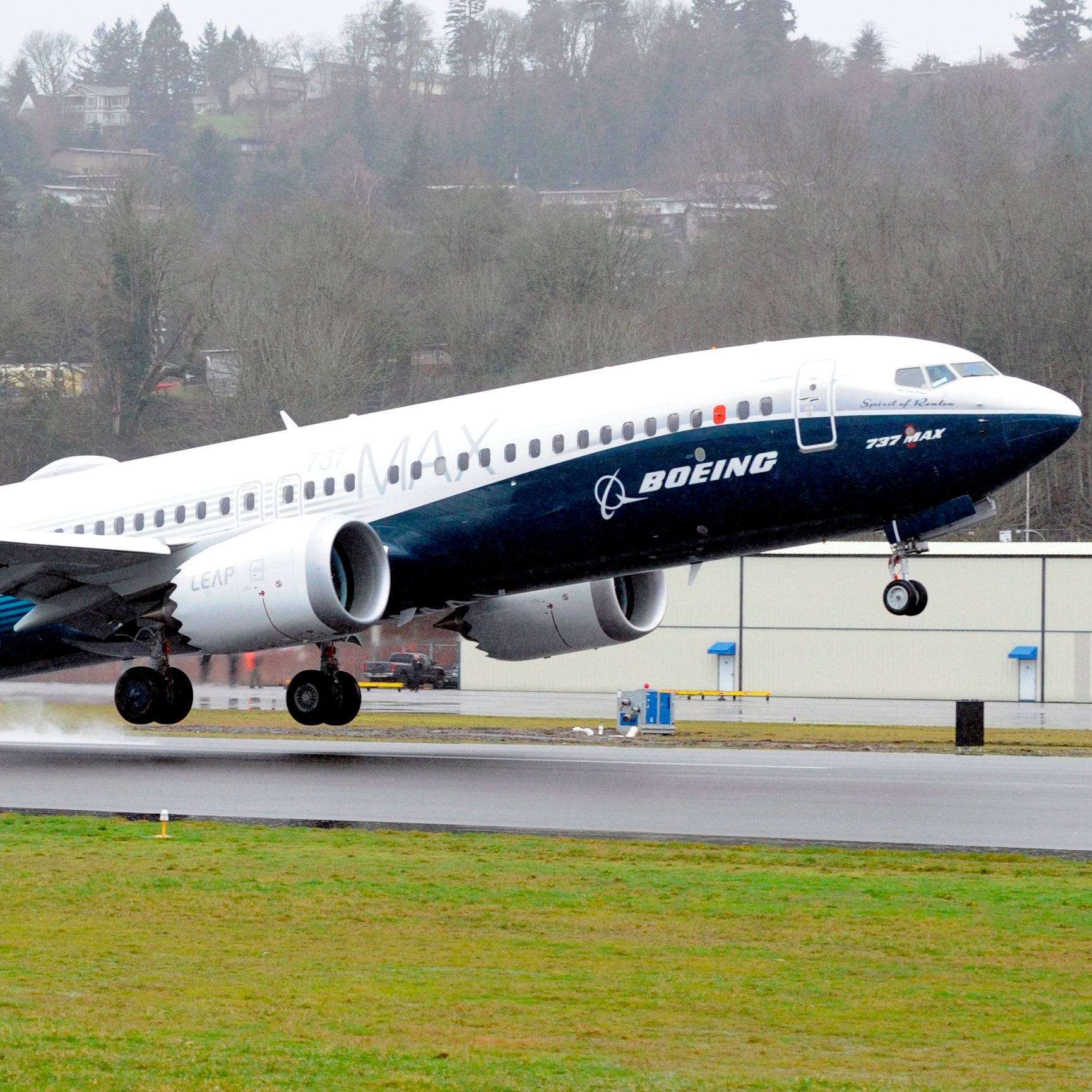
China Southern Airlines disclosed that Xiamen Airlines, which it owns 55% of, agreed to buy 50 Boeing 737-8 jets at a combined list price of about $7.4 billion. Boeing will deliver them in groups from 2031 to 2034.
China Southern’s board approved the purchase, but shareholders and the Chinese government still have to sign off, and the actual prices after discounts were not released, so the list price overstates what Boeing will collect.
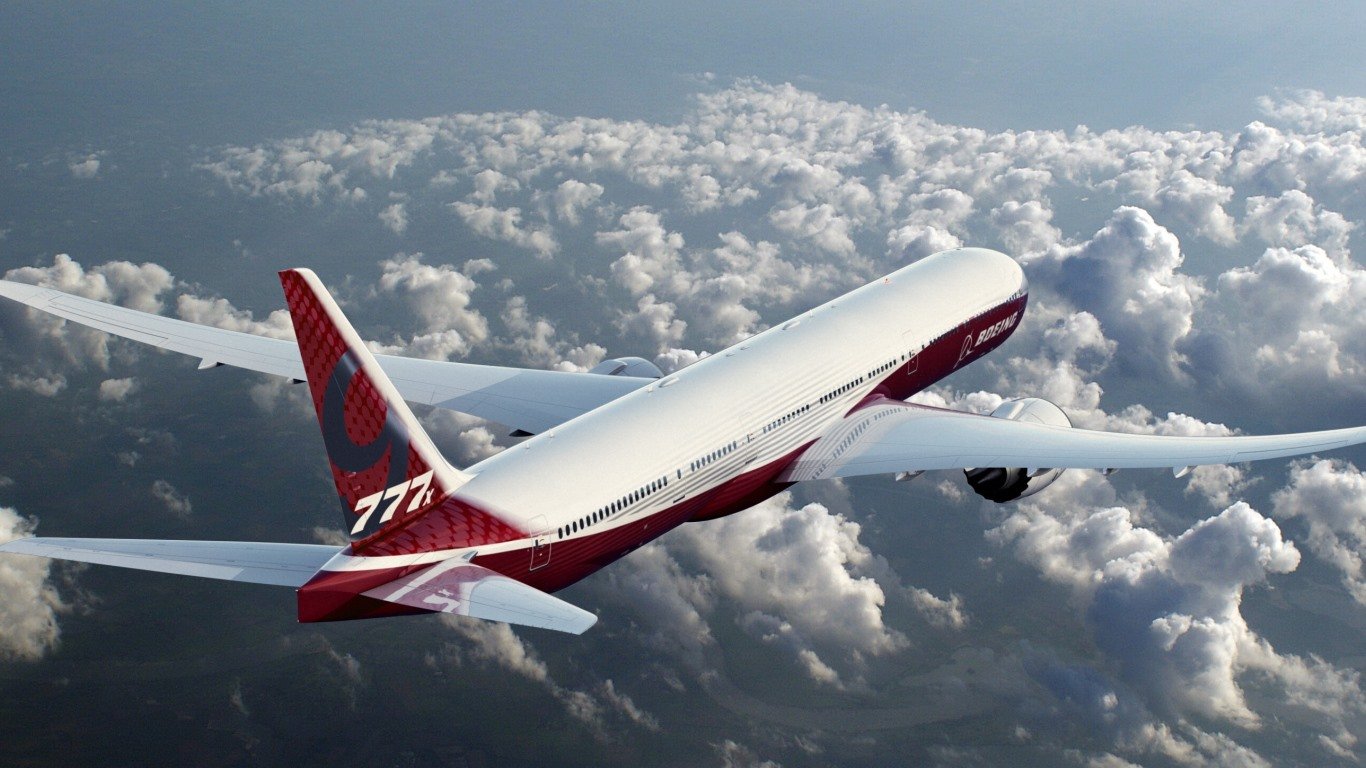
Malaysia Aviation Group, the parent of Malaysia Airlines, said it will buy 10 Boeing 787-10 Dreamliners and holds an option for 6 more. Boeing’s GE-powered jets are due from 2032 to 2035, and no value was disclosed.
Tanker Pricing Tells You More Than the Headline
Boeing received a $2,819,046,560 modification to its KC-46A Pegasus contract for 15 Lot 13 tankers. Boeing fully obligated the award from fiscal 2027 procurement funds, and the Seattle work is due by June 30, 2030. Boeing says that brings the fleet to 203 tankers on contract or in service worldwide, including 116 delivered to the U.S. Air Force.
Lot 12, also 15 tankers, cost $2.47 billion, so this lot is about 14% richer. KC-46A losses reached $0.6 billion[1] in 2025, and the higher lot price suggests Boeing is recovering some of that cost, although it disclosed no margins.
Diplomacy-Driven Orders Carry Political Risk
President Donald Trump said he had sold 250 Boeings to China and that he thinks China will buy another 250. China has not confirmed either claim.
In May, China approved an initial 200-plane purchase, its first Boeing commitment since 2017. It is unclear whether the Xiamen jets count toward that total.
Malaysia agreed last year to buy 30 737 MAX jets, with options for 30 more, under a U.S. trade deal. Orders born from diplomacy can stall if relations between the governments decline.
Airbus Still Leads Boeing in China Orders
China Southern recently agreed to buy 137 Airbus A320neo-family jets, far more than Xiamen’s Boeing order. Malaysia’s 787-10s, however, will replace seven Airbus A350-900s.
Profitability and debt are what move this stock now. Commercial Airplanes posted a negative 6.5%[2] operating margin last quarter, and consolidated debt stands at $45.9 billion.
What These Orders Mean for Boeing Investors
The long-term case for Boeing rests on patience. A market value of about $129.75 billion sits against a record $745 billion[2] backlog, and these wins show that customers still want the planes.
The weak spot is execution. The third-quarter adjusted loss of $0.34[2] per share was wider than the $0.201 loss analysts expected, so cash flow and 737 output toward 47 a month matter more than new orders.

Boeing is the only listed company that combines the KC-46 program with exposure to the commercial airplane recovery. That matters for investors who want both in one holding.


Three things will test this view. They are Chinese government approval of the Xiamen deal, Malaysia turning its commitment into a firm order, and clarity on whether the Xiamen jets count toward the 200-plane commitment. If the shares close below $155.56 before those arrive, that would suggest execution concerns outweigh the orders.

Contact [email protected] for any questions or corrections.
Omor Ibne Ehsan is a writer at 24/7 Wall St. He is a self-taught investor with a focus on growth, cyclical, and dividend equities that have strong fundamentals, value, and long-term potential. He also has an interest in high-risk, high-reward investments such as penny stocks.