Ripple Just Bought Into Africa’s Biggest Payments Company to Put RLUSD on Its Rails
Ripple (CRYPTO:XRP) has spent years building RLUSD and its payments network, and the question that always followed was where all of it actually gets used. This week it put real money behind an answer. The company took an equity stake…

This post may contain links from our sponsors and affiliates, and Flywheel Publishing may receive compensation for actions taken through them.

Ripple (CRYPTO:XRP) has spent years building RLUSD and its payments network, and the question that always followed was where all of it actually gets used. This week it put real money behind an answer.
The company took an equity stake in Flutterwave, Africa’s biggest payments company, and is moving to embed its RLUSD stablecoin into the rails that businesses across 35 African countries already use. RLUSD is Ripple’s regulated, dollar-backed stablecoin, and Flutterwave is the largest payments processor on the continent.
Rather than wait for the world to come around to RLUSD, Ripple bought into a system already moving billions. Here’s what the deal actually involves, the problem it’s built to fix, and what it means for XRP.
Inside the Ripple-Flutterwave Deal
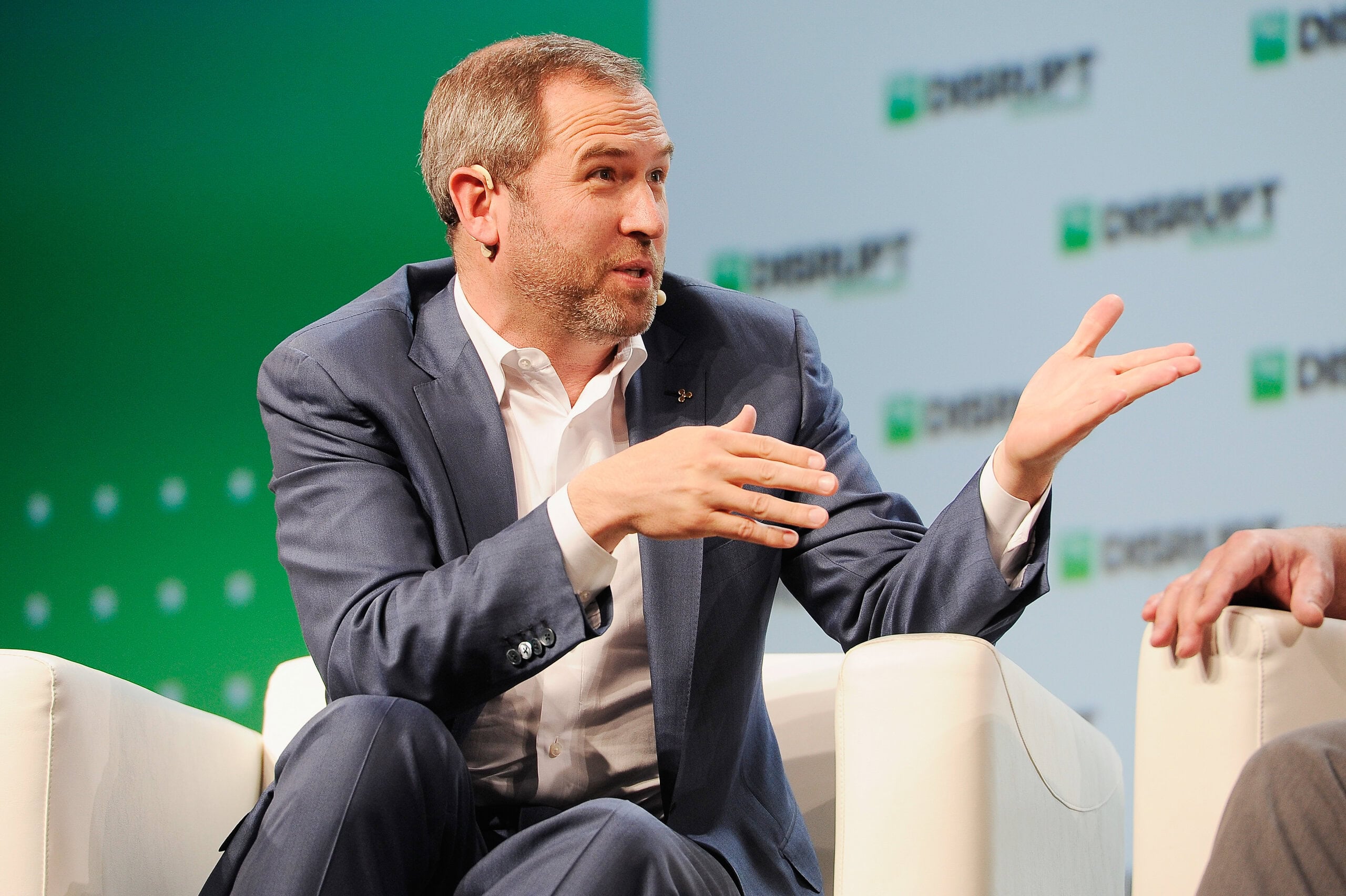
The investment came as part of Flutterwave’s Series E funding round, which values the company at $3.2 billion. Ripple didn’t say how much it put in or how big its stake is, so that figure stays private for now.
The deal embeds RLUSD into Flutterwave’s payment rails and its Send App remittance corridors as a main settlement asset, which just means RLUSD becomes the dollar moving behind the scenes when money changes hands. It also leans on the XRP Ledger to clear those transactions faster, and ties Flutterwave’s local network into Ripple’s global payments network through one shared system.
Put simply, money moving through Flutterwave can settle in Ripple’s dollar stablecoin instead of crawling through the old chain of banks. That shift, from days of bank-to-bank routing to near-instant settlement, is the real point of the deal.
Why a $50 Billion Payments Network Is a Big Deal for RLUSD

Flutterwave isn’t a small partner to test things out with. It runs payments across 35 African countries and has processed more than $50 billion in transactions, so RLUSD is being dropped into a system businesses already trust and use every day, not a new app someone has to be talked into.
Sending money across African borders is the most expensive in the world, often costing around 8% and routing through banks in New York or London first, which can drag the whole thing out for days. Settling in a dollar stablecoin on a fast ledger is built to make that close to instant and far cheaper.
It’s also what makes this different from a regular exchange listing. A listing gives people one more place to trade RLUSD, while this gives them a reason to actually use it. Flutterwave’s CEO said he chose Ripple for its technology, its regulatory standing, and its cross-border speed, which are the things a payments company needs rather than a trading venue.
What This Deal Means for XRP
The deal runs its clearing through the XRP Ledger, and every transaction on that ledger pays a small fee in XRP. So if real payment volume starts flowing across the ledger through Flutterwave, it’s a genuine, repeated use of XRP.
That said, this is an RLUSD and Ripple Payments deal first, and the fees involved are tiny on each transaction. XRP isn’t what businesses are settling in, so the benefit to it is indirect and depends entirely on how much of Flutterwave’s volume ends up moving over the XRP Ledger rather than somewhere else. It’s the same bottleneck across Ripple’s bank deals, where partners use the XRP ledger without necessarily touching the token.
So, the right way to see this is as a structural positive, more everyday payment volume running through XRP’s ledger, rather than the direct price catalyst. That doesn’t mean the deal is not positive for XRP, but the more honest read is that it benefits RLUSD, and XRP has sees no direct gain.
Is This the Real-World Use Case Ripple Needed?
The answer, this time, is yes. This is one of the most concrete uses RLUSD has had, with money behind it, rails that already move billions, and a genuine problem to solve. It’s a real step toward Ripple’s goal of making RLUSD payment infrastructure instead of a token people only trade.
Africa’s cross-border costs still run at more than double the global target the G20 set, so the opening is huge if this works. The signs to watch are whether other big payment processors strike similar deals, and how much money actually settles over the XRP Ledger rather than staying on other chains. That’s what turns a promising deal into proof that RLUSD, and slowly XRP, is becoming real infrastructure.
Contact [email protected] for any questions or corrections.
Sam Daodu is a crypto analyst who's spent nearly a decade making blockchain understandable—no easy task when most whitepapers read like fever dreams. He writes for 24/7 Wall St., covering Bitcoin, altcoins, and crypto market analysis for investors. Before crypto, he was a tech writer (back when explaining "the cloud" was peak innovation). Since 2018, he's written for CoinTelegraph, Yahoo Finance, The Block, Cryptonews, Zypto, Rain, and more—basically anywhere people want crypto news without the headache. Sam runs MacLabs Marketing, a content agency for crypto brands tired of sounding like AI wrote their website. He also publishes free crypto education on his site for Web3 enthusiasts who think "gas fees" is a typo. When he's not writing or staring at charts, Sam's either: - Watching anime (currently convinced One Piece has better tokenomics than most altcoins) - At the gym sculpting himself into a Greek god - Listening to the music your mum warned you only bad boys listen to Connect: LinkedIn | Email | MacLabs Marketing