Bitcoin’s Production Cost Is $78,000. What Happens When Miners Lose Money?
JPMorgan pegs Bitcoin's production cost above its current market price, and miners have already broken records to stay afloat. What built-in network forces determine whether this becomes a prolonged bleed or a setup for recovery?

This post may contain links from our sponsors and affiliates, and Flywheel Publishing may receive compensation for actions taken through them.

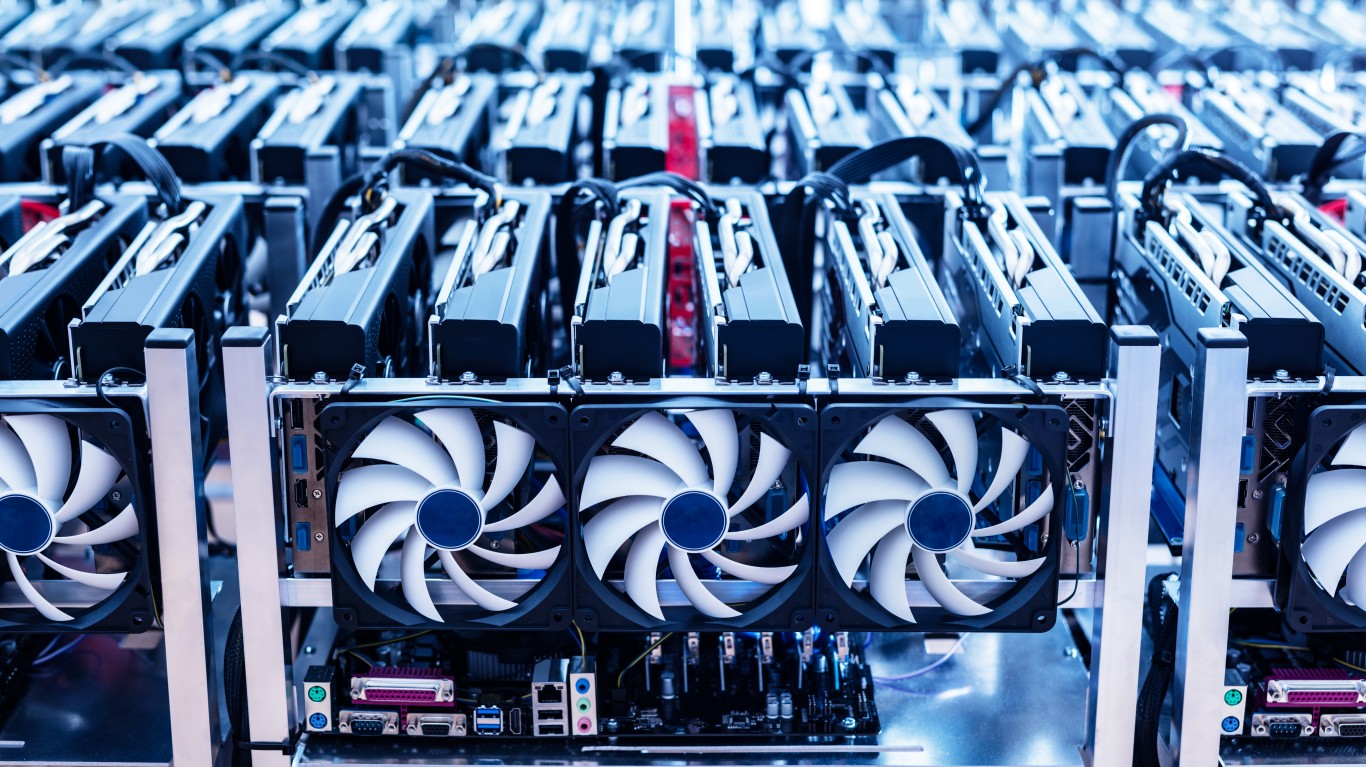
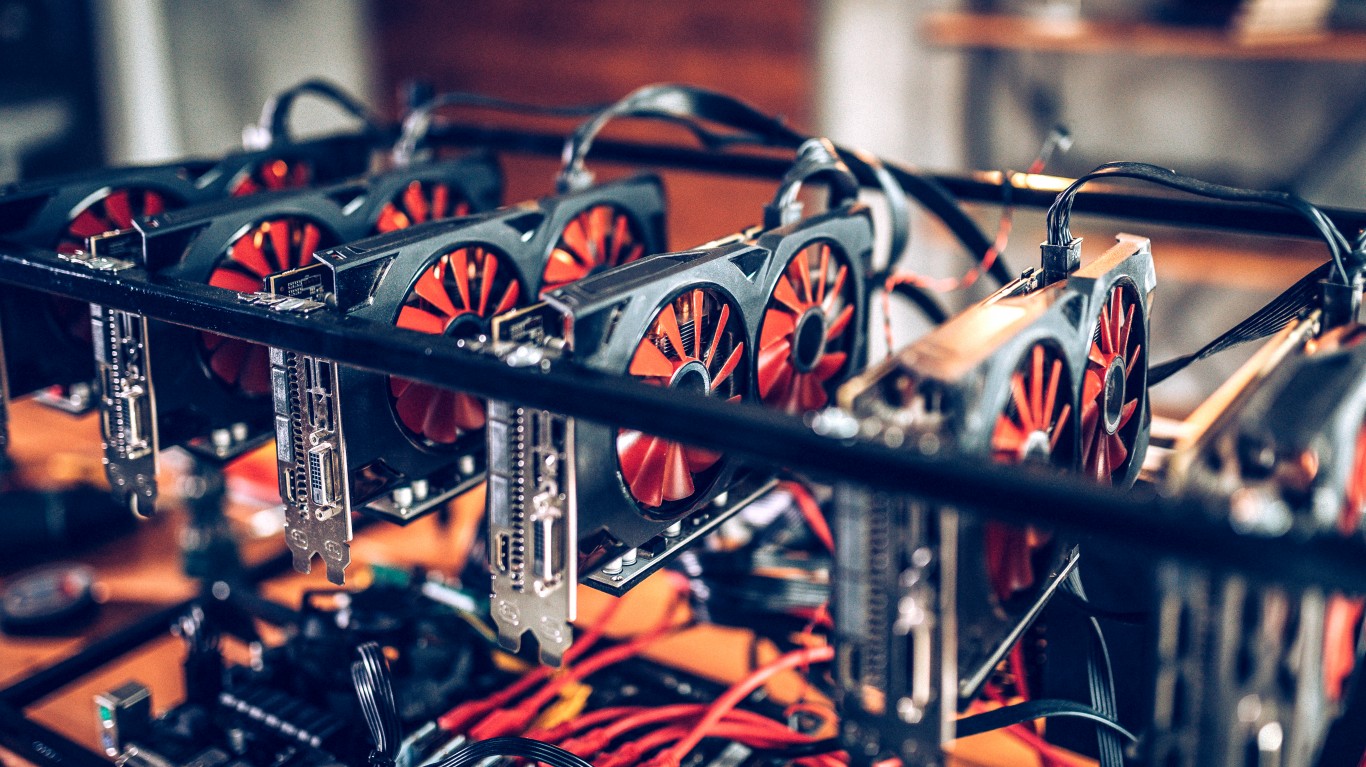
Producing one Bitcoin (CRYPTO:BTC) costs approximately $78,000, according to JPMorgan. The price of Bitcoin remained below this production cost for five consecutive months up to June 2026. This situation creates financial strain for miners, as their electricity bills arrive monthly in dollars, while their primary asset is the Bitcoin generated by their machinery.
This disconnect between production costs and market price affects miners’ operations. So, how did they respond, and what impact did this have on the Bitcoin supply entering the market?
What the $78,000 Figure Measures

The $78,000 figure from JPMorgan’s analyst team, led by managing director Nikolaos Panigirtzoglou, includes costs for electricity, hardware depreciation, and overheads for public miners. The estimate has been adjusted multiple times, falling from $90,000 at the beginning of the year to $77,000 in February, before stabilizing at around $78,000 by June.
In simple terms, production cost is the price at which the marginal miner breaks even, covering essential electricity costs for running the mining rigs and the amortized cost of hardware over its useful life. Other estimates, considering both public and private operations, have placed the all-in cost closer to $88,000 in July. Thus, think of $78,000 as the lower end of a broader range.
Hashrate, representing the total computing power directed at the network, contributes to this cost. As more machines compete for a fixed block reward, the hashrate reached approximately 865 exahashes per second by July.
Energy prices also influence production costs. For example, Henry Hub natural gas traded at $2.79 per million BTU on September 11, far below the $13.80 spike on January 30, which has helped reduce cost estimates.
Miners Sold a Record 32,000 Bitcoin

In the first quarter of 2026, companies including Marathon Digital Holdings (NASDAQ:MARA | MARA Price Prediction), CleanSpark, Riot Platforms, Cango, Core Scientific, and Bitdeer sold a combined total of 32,000 Bitcoin to cover operating expenses. This exceeded their total sales for all of 2025, setting a new quarterly record and surpassing the previous high of 20,000 coins sold in the second quarter of 2022 during the post-Terra-Luna bear market.
According to CoinShares, about 15% to 20% of the global mining fleet was operating at a loss during this period, which JPMorgan rounds to roughly 20%. The hashprice measured approximately $33 per petahash per second daily.
At that time, miners collectively held about 1.8 million Bitcoin, a reduction from 1.86 million at the end of 2023. This gradual drawdown in their treasury indicates a long-term trend rather than a short-term phenomenon.
On-chain cost-basis analyses reveal that long-term holders are selling at prices comparable to miners’ production costs. This correlation is no coincidence, because both groups evaluate their positions based on their acquisition costs. When Bitcoin neared and then fell short of $80,000 three times since late August, some selling pressure came from individuals compelled to sell rather than choosing to do so.
The Network Makes Mining Cheaper After a Crash

Bitcoin has a built-in mechanism to respond to price drops. “When Bitcoin trades below its production cost,” JPMorgan analysts explain, “higher-cost miners power down, the hashrate declines, and difficulty adjusts lower.” This cycle has occurred twice in 2026.
In early June, mining difficulty fell 10.09%, marking the second substantial decline of the year, after a similar drop in January. The hashrate fell 12% in June and remained 23% below its October peak, according to Galaxy Research. Each machine that is powered down results in a larger share of the block reward for those still operational.
JPMorgan calculated that the beta of difficulty concerning price over the past six months rose to 0.62, indicating a strong relationship between the two variables, with 1 representing a perfect correlation. As most miners operate close to break-even, they are quick to power down when prices drop, leading to faster network corrections than in the past.
A decrease in difficulty lets efficient miners capture market share from higher-cost miners that have powered down, stabilizing production costs and preventing further declines. JPMorgan has already indicated a potential rebound in hashrate, which may raise both difficulty and production costs at the next adjustment.
Public Miners Can Endure Longer Than Private Miners

In the past, most miners were private and underfunded. Today, a significant portion of the hashrate is controlled by publicly traded companies with hedged power contracts and access to debt and equity markets, which changes when they capitulate.
Hedging serves as a primary shock absorber. Public miners can lock in power prices, sell Bitcoin forward using futures, or borrow against their holdings to cover electricity costs without selling into a weak market. Financing also helps, as companies can raise equity or convertible debt to secure cash instead of liquidating assets.
However, rising interest rates strain these supports. The federal funds target upper bound reached 4.00% on September 16, up 25 basis points from a month earlier. Higher rates make debt financing more expensive and dilute follow-on equity raises, meaning that those hoping for a clear capitulation may face prolonged selling.
Does $78,000 Still Serve as a Price Floor?
Bitcoin has struggled to maintain a price above $78,000, trading below this level for five months, the longest stretch in this cycle. With the VIX at 17.71 on September 16, investor sentiment is neither panicked nor complacent.
This price point indicates where forced selling begins, leading more miners to incur losses as the price falls further. While the current sentiment may be concerning, JPMorgan analysts suggest it could be a contrarian indicator, as weak sentiment has historically preceded recoveries.
The upcoming difficulty adjustment is crucial, as a rising hashrate could push production costs back up and shift the market dynamics.
Contact [email protected] for any questions or corrections.
Sam Daodu is a crypto analyst who's spent nearly a decade making blockchain understandable—no easy task when most whitepapers read like fever dreams. He writes for 24/7 Wall St., covering Bitcoin, altcoins, and crypto market analysis for investors. Before crypto, he was a tech writer (back when explaining "the cloud" was peak innovation). Since 2018, he's written for CoinTelegraph, Yahoo Finance, The Block, Cryptonews, Zypto, Rain, and more—basically anywhere people want crypto news without the headache. Sam runs MacLabs Marketing, a content agency for crypto brands tired of sounding like AI wrote their website. He also publishes free crypto education on his site for Web3 enthusiasts who think "gas fees" is a typo. When he's not writing or staring at charts, Sam's either: - Watching anime (currently convinced One Piece has better tokenomics than most altcoins) - At the gym sculpting himself into a Greek god - Listening to the music your mum warned you only bad boys listen to Connect: LinkedIn | Email | MacLabs Marketing