What Could 20,000 XRP, 20,000 Stellar and 20,000 Hedera Be Worth by 2035?

This post may contain links from our sponsors and affiliates, and Flywheel Publishing may receive compensation for actions taken through them.
By 2035, 20,000 XRP (CRYPTO: XRP) could be worth $73,000 if it returns to its all-time high. In a more optimistic scenario, a forecast from Standard Chartered suggests it could even reach up to $560,000. Meanwhile, the same 20,000 coins of Stellar (CRYPTO: XLM) and Hedera (CRYPTO: HBAR) could be worth about $17,511 and $11,385 at their respective all-time highs.
XRP is trading around $0.97, so holding 20,000 coins would cost about $19,376. By comparison, 20,000 Stellar coins cost roughly $2,656, and 20,000 Hedera coins cost about $1,087.
All three cryptocurrencies have declined significantly over the past year. XRP has dropped by 52.6%, Stellar by 46.1%, and Hedera by 63.1%. Each coin hit its lowest price in a year between November 20 and November 21.
Standard Chartered has set a target of $28 for XRP by 2030, while similar long-term forecasts for Stellar and Hedera are not available. So, what could each of these 20,000-coin holdings be worth by 2035? Which has the best chance of reaching its previous highs?
A 20,000 XRP Stake Could Reach $560,000 at Standard Chartered’s Target
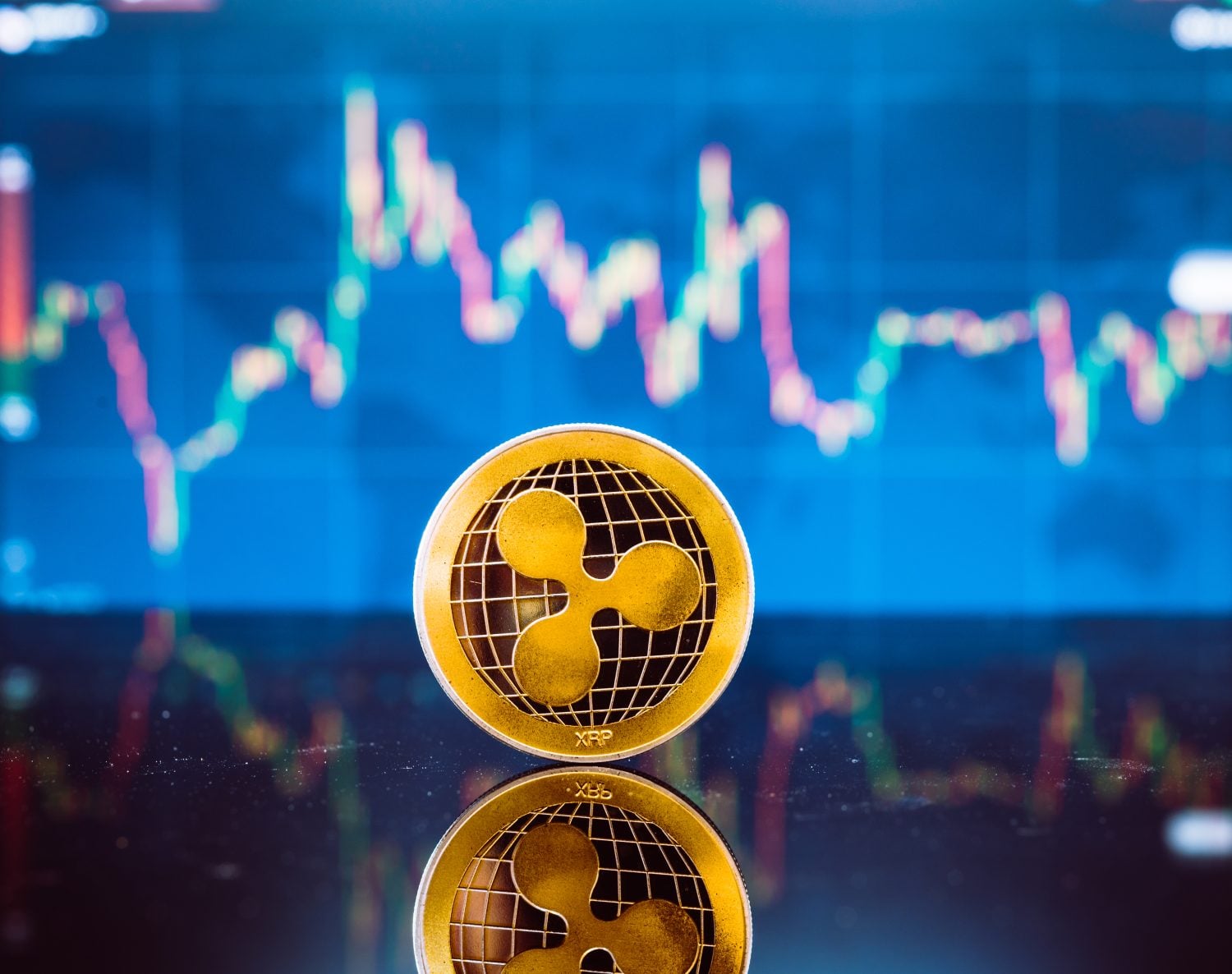
The following table shows the cost of each coin holding, its potential value at its all-time high, and its value based on long-term bank forecasts.
| Coin | Cost of 20,000 Coins | Below All-Time High | All-Time High | Stake at All-Time High | Stake at Long-Range Forecast |
|---|---|---|---|---|---|
| XRP | $19,376 | 73.4% | $3.65 | $73,000 | $560,000 at Standard Chartered’s $28 for 2030 |
| Stellar | $2,656 | 84.8% | $0.88 | $17,511 | No bank forecast |
| Hedera | $1,087 | 90.4% | $0.57 | $11,385 | No bank forecast |
XRP shows the highest potential on paper. However, Standard Chartered has set the $28 target for 2030 and revised its near-term XRP target in February after a sell-off, while maintaining its 2030 target. Other forecasts can vary widely, as illustrated by major projections for XRP in 2028.
Supply Dilution Makes Old Highs Harder to Reach for All Three Coins
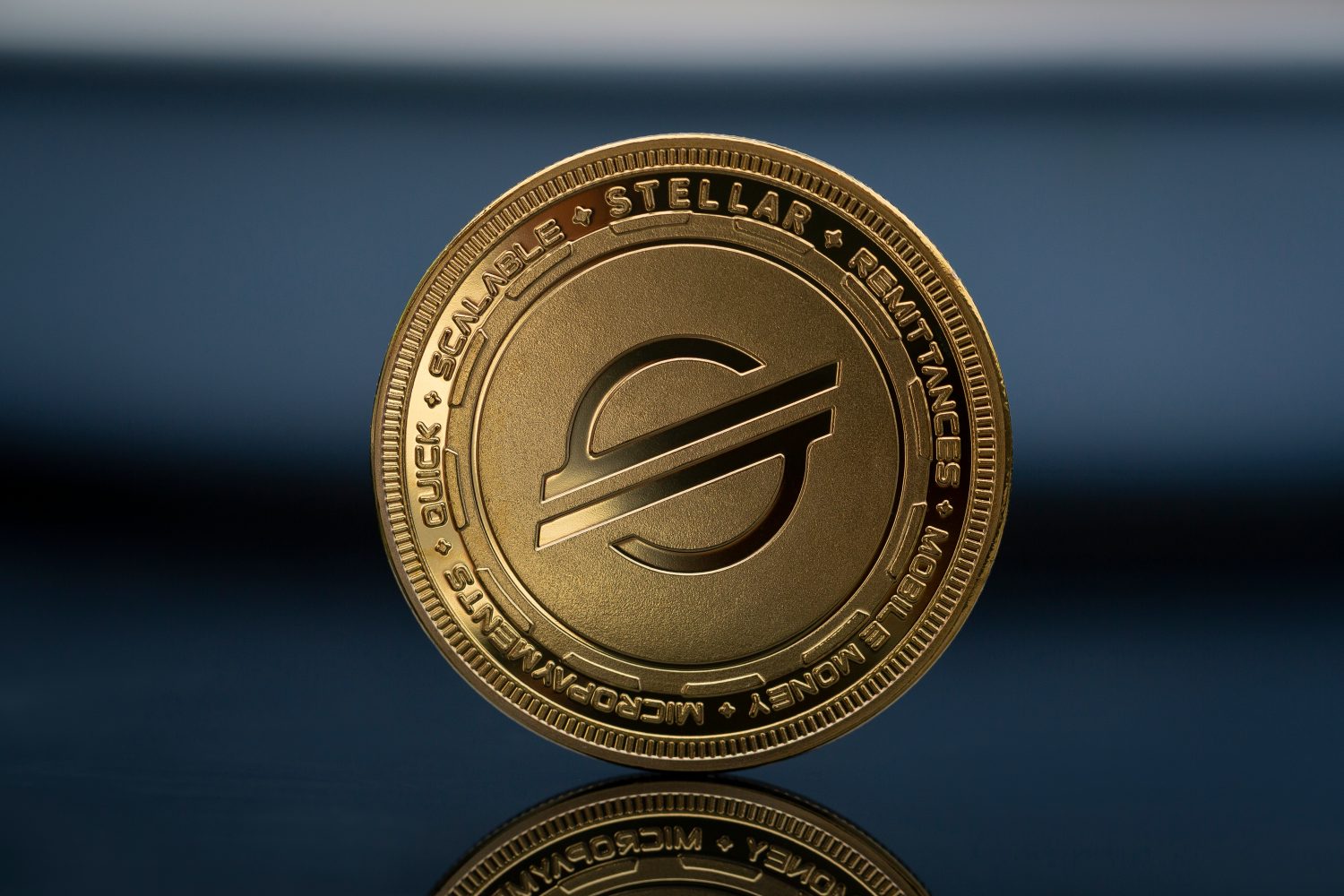
Supply dilution, or the increasing number of coins in circulation over time, complicates the path to reclaiming old highs for all three cryptocurrencies. XRP has approximately 63.5 billion coins in circulation out of a total maximum supply of 100 billion, so its $61.7 billion market cap compares with a fully diluted valuation, the value if every coin were already out, of $97.2 billion.
Stellar and Hedera face an even bigger obstacle. Stellar reached its all-time high on January 2, 2018, while Hedera peaked on September 15, 2021, both when fewer coins were in circulation. To match its previous high, Hedera would need a market cap greater than what it had in 2021.
Stellar holds the 20th spot with a market cap of $4.7 billion, while Hedera is in 34th with a market cap of $2.4 billion. XRP ranks sixth.
XRP, Stellar and Hedera Each Need a Different Kind of Demand

XRP’s rebound depends on institutional investment and banks utilizing Ripple’s payment network. Investors can access XRP through U.S. spot ETFs that hold the coin directly, such as the Bitwise XRP ETF (NYSEARCA: XRP). XRP trades below its 50-day average of $1.22 and its 200-day average of $1.24, about 28% higher, with sellers frequently entering the market around these levels. A shorter-term analysis on what 1,000 XRP could be worth over five years is also available.
Stellar is designed as a payments blockchain for cost-effective international money transfers, and its recovery relies on stablecoins—tokens pegged to the U.S. dollar. Tether’s USDT0 launched on Stellar, and U.S. Bank’s stablecoin was among the integrations announced at the Stellar Meridian 2026 conference, but these announcements have yet to positively impact Stellar’s price. Stellar is down 33.8% in 2026 and is trading below its 200-day average of $0.18, approximately 35.5% lower.
Hedera operates as a blockchain managed by the Hedera Council, which includes several large companies that influence its direction. Apex Group, a fund administrator, joined the council in November and said it will explore Hedera for tokenization. However, Hedera has fallen 29.8% over the past month and trades below its 200-day average of $0.08, around 47% lower.
Which Has the Best Chance by 2035, 20,000 XRP, Stellar or Hedera?
Hedera could see the greatest gains, while XRP is the most likely candidate to return to its all-time high by 2035. With Hedera trading 90.4% below its peak, a full recovery could more than tenfold the $1,087 investment. By comparison, Stellar could see a 6.6-fold increase, while XRP’s potential increase stands at 3.8-fold.
However, XRP peaked in July 2025, leaving less room for upside before it returns to that high. Standard Chartered’s $28 target seems unrealistic for 2030, and XRP must first exceed $1.24, surpass its one-year high from January, and then aim for its all-time high of $3.65. If XRP remains below $1.24 on June 30, 2027, demand from funds and payment channels may struggle to materialize. Stellar’s first test is $0.18, and Hedera’s is $0.08.
Contact [email protected] for any questions or corrections.
Sam Daodu is a crypto analyst and the editor of 24/7 Wall St.'s Crypto Desk, where he covers Bitcoin, XRP, Ethereum, Solana and the altcoins investors search for most. His work focuses on price levels, spot ETF flows, on-chain data and the regulatory decisions that move crypto markets, written so a first-time buyer and a seasoned trader can both use it.
Sam has written about crypto professionally since 2019 and has published more than 2,000 articles. Before joining 24/7 Wall St., he wrote for crypto media outlets and Web3 companies and ghostwrote for crypto founders and token launches. His analysis is syndicated on Yahoo Finance, MSN and AOL and has been cited by other crypto news sites. He also founded MacLabs Marketing, a content and personal branding agency for crypto founders and executives.
When he isn't reading charts, Sam is usually at the gym or watching One Piece, a series he maintains has better tokenomics than most altcoins.