Ethereum Treasury Companies Are Selling: How Much More Could Hit the Market?

This post may contain links from our sponsors and affiliates, and Flywheel Publishing may receive compensation for actions taken through them.

BTCS (NASDAQ:BTCS), a micro-cap company with Ethereum (CRYPTO:ETH) on its balance sheet, made headlines by selling 27,300 Ethereum to pay off loans. This move has sparked conversation among investors about whether other Ethereum treasury companies, organizations that hold the cryptocurrency as a reserve, might follow suit.
Ethereum is trading around $1,670, about 66% below its all-time high of nearly $4,950 and just 7% above its one-year low close of $1,566. So how much more Ethereum could treasury companies be pressured to sell in the current market?
BTCS Sells 27,300 Ethereum to Repay $43.8 Million in Loans

BTCS sold its Ethereum for $43.8 million to settle loans on Aave, a lending platform that lets users borrow against their crypto holdings. This translates to about $1,600 per coin. After the sale, BTCS still retains 24,245 Ethereum, valued at around $40.5 million at current prices, while still owing approximately $10.5 million in loans.
The company faced a difficult situation: borrowing against its holdings meant a drop in Ethereum’s price could trigger a forced sale. On Aave, borrowers use Ethereum as collateral, and if the collateral value drops significantly, lenders can liquidate it. BTCS had little choice but to act quickly, as its November 12 filing revealed only $463,250 in cash, and its stock has plummeted 78.4% this year to 57 cents.
BitMine Keeps Buying Ethereum as Prices Fall
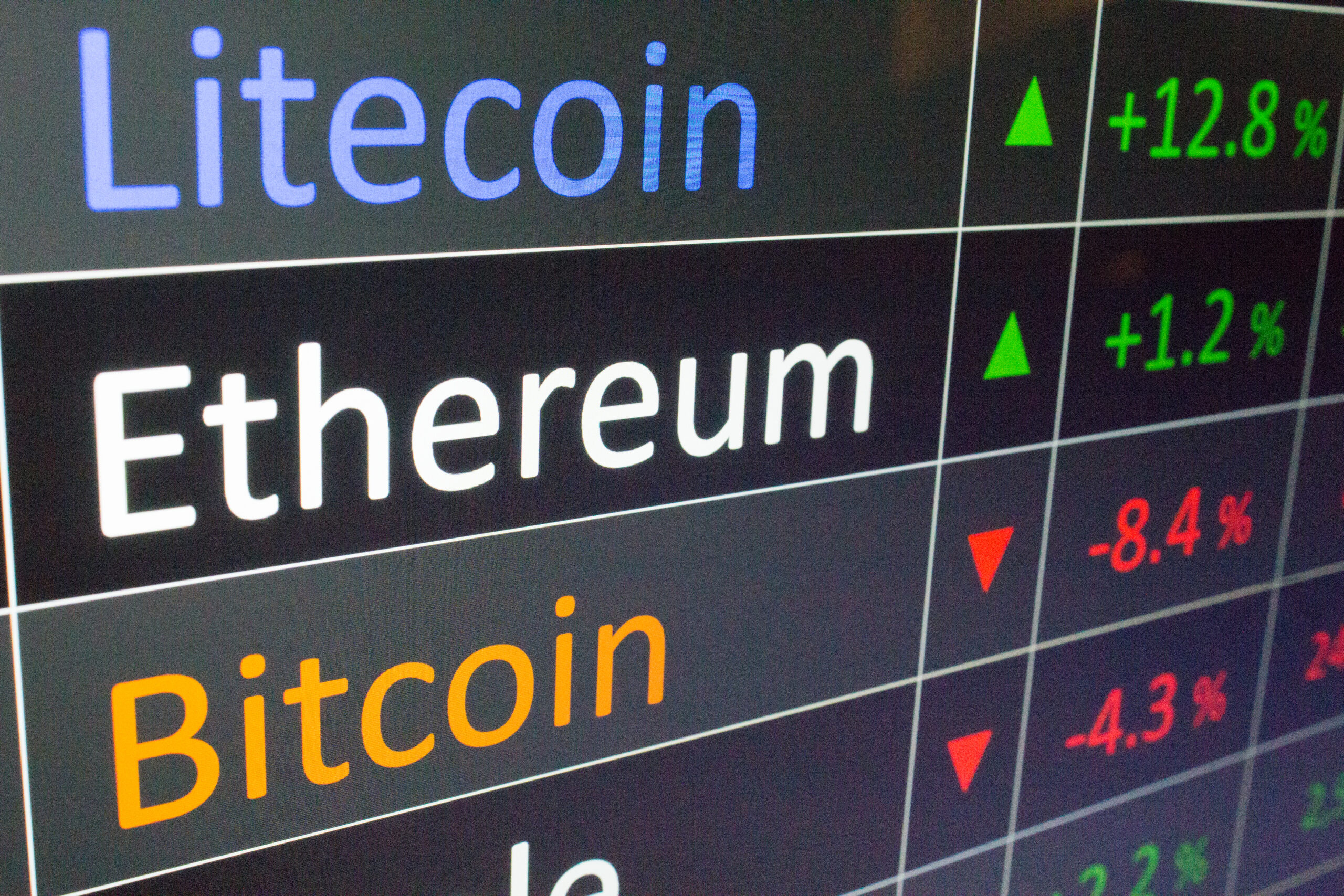
In contrast, BitMine Immersion Technologies (NYSE:BMNR | BMNR Price Prediction) stands out as the largest holder of Ethereum among public companies, owning 6,085,564 Ethereum, valued at about $10.2 billion. BitMine added 7,819 Ethereum, worth around $13 million, to its holdings last week. This pattern of ongoing purchases continues, even during this turbulent market phase.
Overall, public companies hold 8,163,139 Ethereum, valued at approximately $13.6 billion, according to CoinGecko. BitMine alone represents about three-quarters of that total. Unlike BTCS, BitMine has no Ethereum-backed loans, meaning it is not at risk of being forced to sell assets due to borrowing.
Ethereum Fund Outflows Push the Price Toward Its $1,566 Low
Larger selling pressure in the market is coming from funds rather than treasury companies. On November 20, investors withdrew $97.4 million from U.S. spot Ethereum ETFs, part of $1.51 billion in outflows over the past month from products including the Grayscale Ethereum Staking Mini ETF (NYSEARCA:ETH).
As a result, Ethereum’s price is only roughly 7% above its one-year low close of $1,566. The selling trend has also affected BitMine’s shares, which fell 5.7% to $13.60 in early trading on November 24.
How Much More Ethereum Could Treasury Companies Sell?
For now, the risk of forced selling appears limited. BTCS’s remaining debt of $10.5 million equates to about 6,300 Ethereum at current prices, fewer coins than BitMine acquired in just one week. This figure is a minor part of the total 8.2 million Ethereum held by public companies. Our analysis of whether Ethereum is a good investment takes a longer-term perspective.
However, the situation could change if Ethereum’s price closes below $1,566, putting smaller borrowers like BTCS at risk of liquidation. The greater concern lies with BitMine. If it halts its buying while fund outflows persist, Ethereum could lose its largest buyer among treasury companies at a time when ETFs continue to see outflows.23
Contact [email protected] for any questions or corrections.
Sam Daodu is a crypto analyst and the editor of 24/7 Wall St.'s Crypto Desk, where he covers Bitcoin, XRP, Ethereum, Solana and the altcoins investors search for most. His work focuses on price levels, spot ETF flows, on-chain data and the regulatory decisions that move crypto markets, written so a first-time buyer and a seasoned trader can both use it.
Sam has written about crypto professionally since 2019 and has published more than 2,000 articles. Before joining 24/7 Wall St., he wrote for crypto media outlets and Web3 companies and ghostwrote for crypto founders and token launches. His analysis is syndicated on Yahoo Finance, MSN and AOL and has been cited by other crypto news sites. He also founded MacLabs Marketing, a content and personal branding agency for crypto founders and executives.
When he isn't reading charts, Sam is usually at the gym or watching One Piece, a series he maintains has better tokenomics than most altcoins.