FAA Warning: Boeing 747,787 Engine Icing Could Lead to Forced Landings
Courtesy of Boeing Co.As promised, the U.S. Federal Aviation Administration (FAA) on Wednesday issued a formal airworthiness directive on The Boeing Co.’s (NYSE: BA) 747-8, 747-8F, and 787-8 aircraft equipped with the GEnx engines from General Electric Co. (NYSE: GE).…

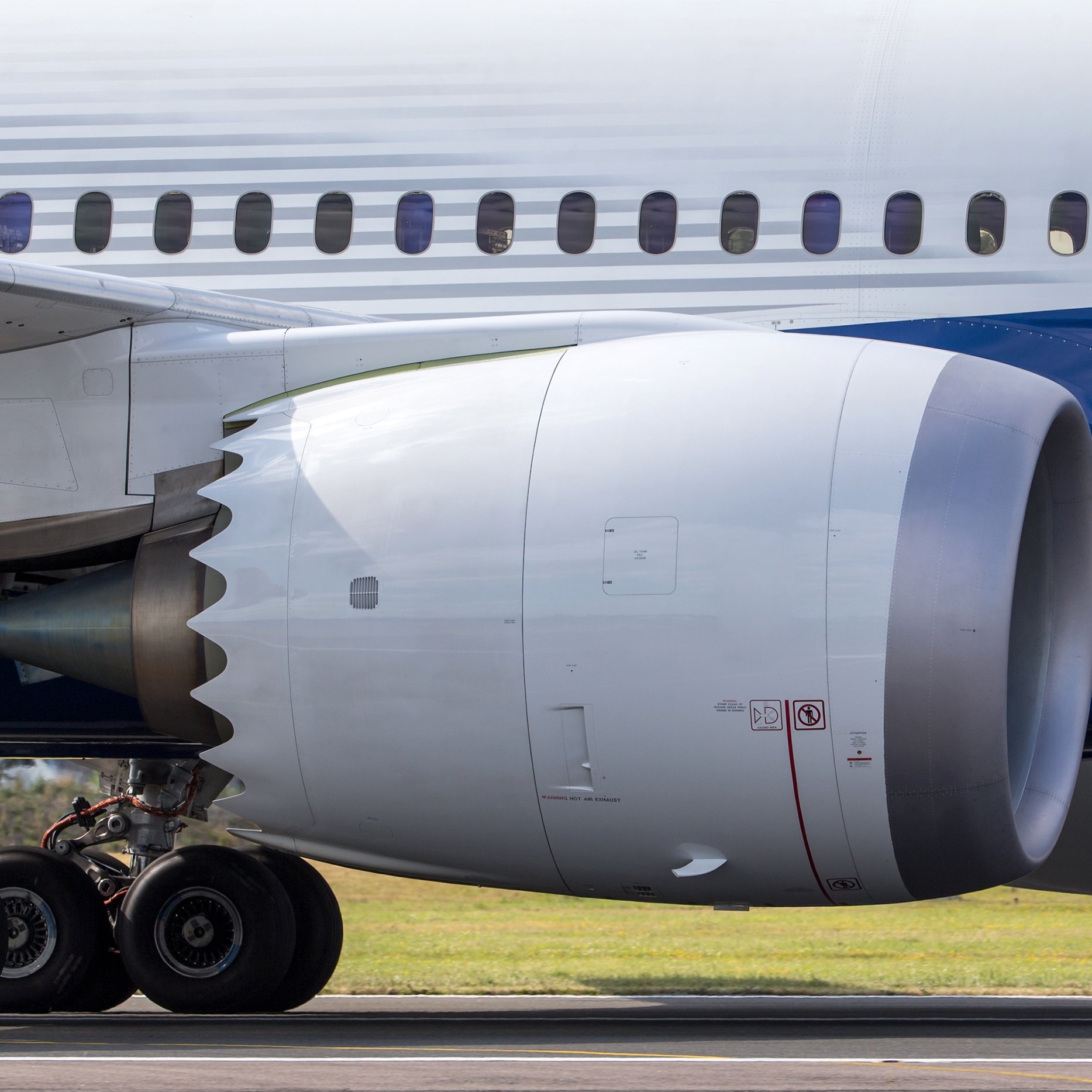
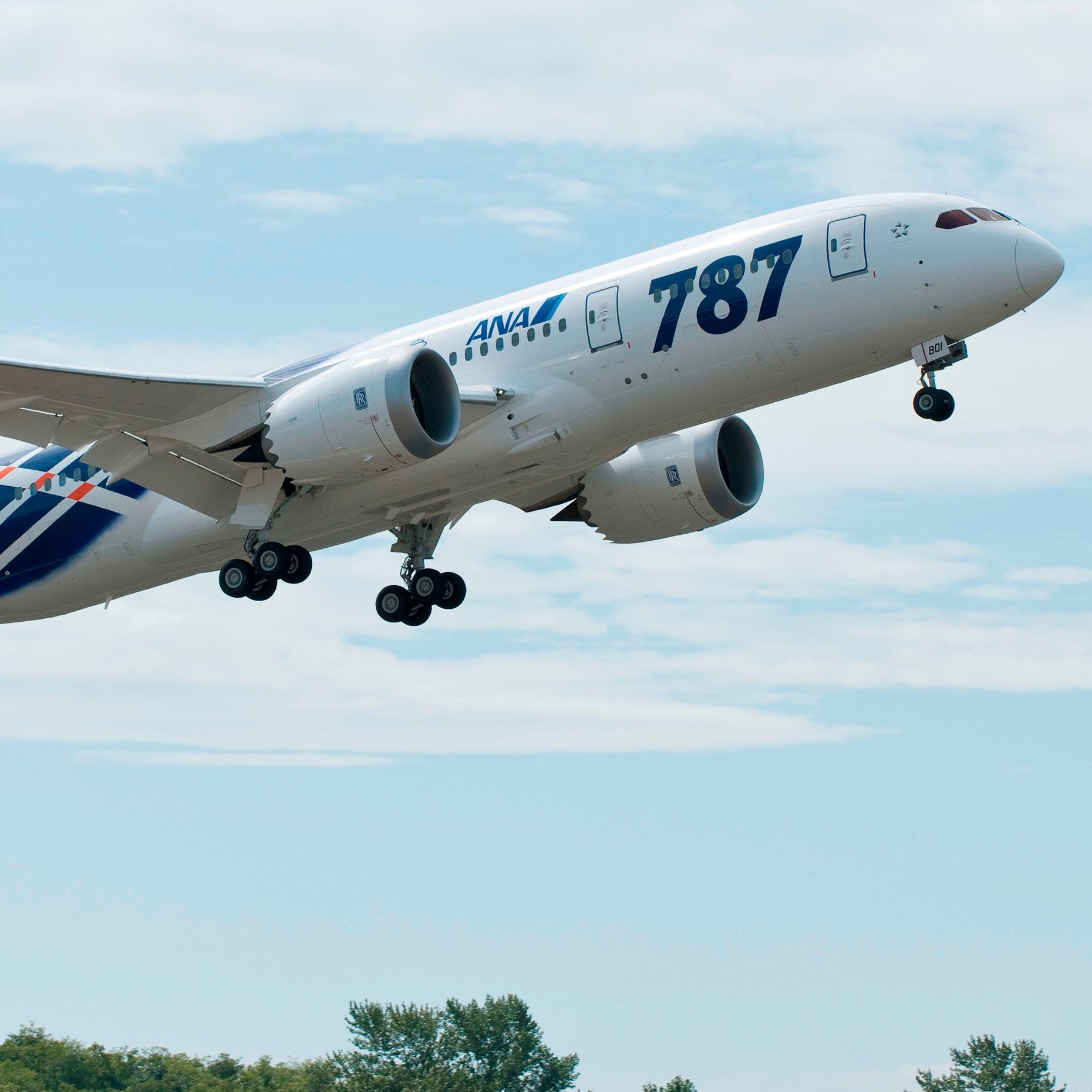
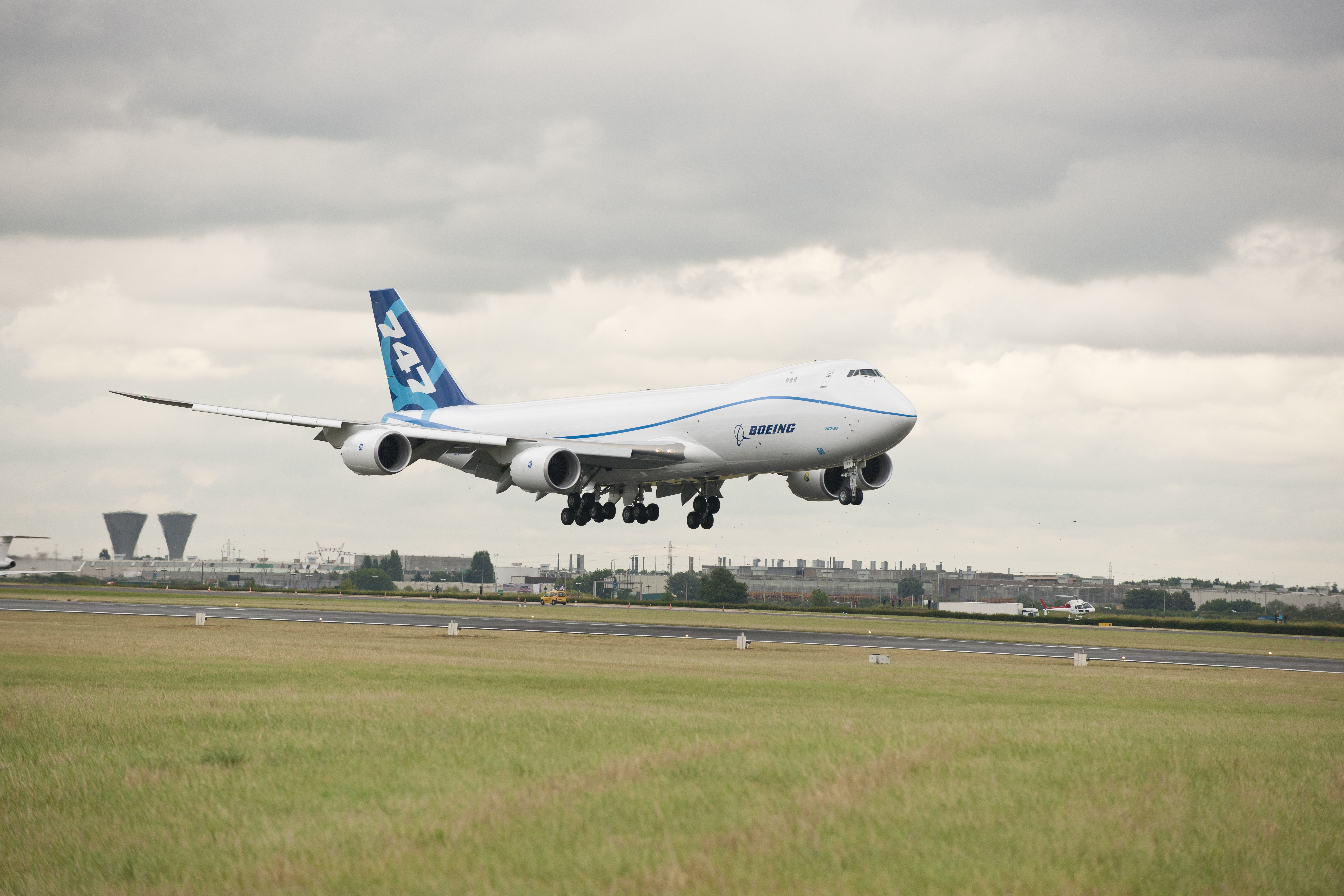 As promised, the U.S. Federal Aviation Administration (FAA) on Wednesday issued a formal airworthiness directive on The Boeing Co.’s (NYSE: BA) 747-8, 747-8F, and 787-8 aircraft equipped with the GEnx engines from General Electric Co. (NYSE: GE). The directive may be more severe than Boeing and GE anticipated however.
The directive requires Boeing to revise the planes’ flight manuals “to advise the flight crew of potential ice crystal icing (ICI) conditions at high altitudes, and to prohibit operation in moderate and severe ICI conditions.”
Last Friday, Boeing notified 15 customers for its 747s and 787s that planes equipped with the GEnx engine from GE could have an icing problem if the planes flew within 50 nautical miles of high-altitude thunderstorms. The FAA directive cited nine incidents where the GE engines lost thrust or experienced vibrations as a result of icing. That’s three more than the six incidents Boeing claimed last week because the company did not include the vibration incidents.
The only U.S. carrier currently flying the 787 Dreamliner is United Continental Holdings Inc. (NYSE: UAL) and United Airlines said it would not change its plans to use the planes. Japan Airlines has said it will replace Dreamliners on two of its routes from Tokyo to Delhi and Tokyo to Singapore.
The FAA directive also said:
We are issuing this [airworthiness directive] to ensure that the flight crews have operating instructions to avoid flight into ICI conditions that can lead to engine damage and thrust loss events; unrecoverable thrust loss on multiple engines can lead to a forced landing.
The FAA noted two incidents where a four-engine 747-8F lost thrust on two engines during flight. In one incident one of the engines “recovered to idle but would not accelerate.” The other engine did recover and the flight was able to continue. In both cases where two engines lost thrust, inspections revealed compressor damage on both affected engines and damage to a third that had not experienced a loss of thrust. The FAA noted, “Unrecoverable thrust loss on multiple engines, due to operation in high altitude clouds containing ice crystals, could lead to a forced landing.”
Contact [email protected] for any questions or corrections.
Paul Ausick has been writing for 247Wallst.com for more than a decade. He has written extensively on investing in the energy, defense, and technology sectors. In a previous life, he wrote technical documentation and managed a marketing communications group in Silicon Valley.
He has a bachelor's degree in English from the University of Chicago and now lives in Montana, where he fishes for trout in the summer and stays inside during the winter.