Retiring at 60 With $1.3 Million and a Vacation Home Means Paying $94,000 in Capital Gains Tax When You Sell
Retiring at 60 with $1.3 million in retirement accounts and a paid-off vacation home in Lake Tahoe sounds like a clean finish line. The home was bought in 2008 for $385,000 and is now worth $830,000. The plan: sell the…

This post may contain links from our sponsors and affiliates, and Flywheel Publishing may receive compensation for actions taken through them.
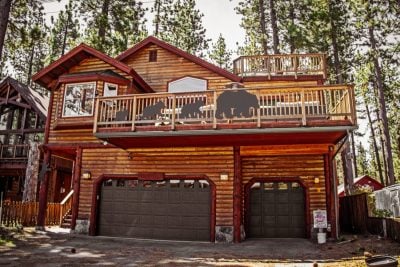
Retiring at 60 with $1.3 million in retirement accounts and a paid-off vacation home in Lake Tahoe sounds like a clean finish line. The home was bought in 2008 for $385,000 and is now worth $830,000. The plan: sell the cabin, downsize, and use the proceeds to bridge the years before Social Security and required withdrawals kick in. The problem: the IRS, the California Franchise Tax Board, and a misunderstanding of the home sale exclusion are about to take a roughly $95,700 bite out of that $830,000 check.
This scenario shows up constantly on Reddit’s r/retirement and r/personalfinance boards, and on call-in shows like Clark Howard’s, where listeners assume the $250,000 home sale exclusion applies to any house they own. It does not. Per IRS Publication 523, the Section 121 exclusion requires owning and using the property as a primary residence for two of the past five years. A weekend cabin almost never qualifies.
The Situation at a Glance
- Age and status: 60, retiring this year
- Liquid retirement assets: $1.3 million across tax-deferred accounts
- Vacation home: Lake Tahoe, basis $385,000, value $830,000
- Core issue: A taxable capital gain with no primary-residence exclusion available
- At stake: Roughly $95,700 in combined federal and California tax
Why the Tax Bill Is So Large
Start with the gain. A sale price of $830,000, minus the $385,000 cost basis and roughly $50,000 in qualifying improvements (new roof, deck rebuild, kitchen remodel, all documented under IRS Publication 523), leaves a long-term capital gain of approximately $395,000.
Federal long-term capital gains tax would likely apply at a 15% rate for most of that gain at this income level, creating an estimated federal tax bill of about $59,000. California taxes capital gains as ordinary income, and a marginal state rate of roughly 9.3% on the $395,000 gain adds another $36,700. That reduces the net proceeds from $830,000 to around $735,000.
The size of that gap matters because it arrives during the same period retirement income planning begins. A $1.3 million portfolio withdrawn at a 4% rate generates about $52,000 annually. Losing roughly $95,700 to taxes is equivalent to nearly two years of sustainable portfolio withdrawals disappearing in a single transaction. With Core PCE inflation running at a 12-month percentile rank of 91.7 and the 10-year Treasury yielding 4.5%, every after-tax dollar preserved from the sale carries significant long-term value.
Three Strategies That Actually Move the Needle
For most retirees in this position, one strategy stands above the rest: convert the cabin into a primary residence for at least two years before selling it. That means actually moving in, changing the mailing address, registering to vote there, updating vehicle registrations, and satisfying the IRS two-of-five-year residency test. A single filer can exclude up to $250,000 in capital gains, while a married couple can exclude up to $500,000. On a $395,000 gain, a married couple could potentially eliminate the entire federal and California capital gains liability, preserving roughly $95,000 simply by delaying the sale and changing residency status.
The second practical option is using an installment sale under IRS Publication 537, which spreads the gain across several tax years rather than recognizing it all at once. This does not eliminate taxes, but it can keep more of the proceeds within the 15% federal capital gains bracket while reducing the risk of crossing into the 20% rate or triggering the 3.8% net investment income tax. The savings are usually far smaller than the primary-residence strategy, but still potentially meaningful in the low thousands.
A 1031 exchange into a rental property is the option to be skeptical of. It defers tax only if the cabin is first converted to a rental and held as investment property, and it leaves the retiree as a landlord at 60. For someone who wants to simplify, this rarely fits. Gifting fractional interests to adult children works mathematically but creates basis and family complications most retirees do not want.
What to Do First
- Decide whether you can live in Tahoe for two years. If yes, the Section 121 conversion is the single highest-value financial move available, worth roughly $95,000 in avoided tax for a married couple.
- Pull the improvement receipts now. Every documented capital improvement raises basis and lowers the gain. Missing $20,000 of receipts costs about $5,000 in tax.
- Avoid the common mistake. Do not assume the $250,000 exclusion applies because you owned the home a long time. Ownership alone never qualifies. Primary residency does.
A fee-only CPA reviewing the basis worksheet and the residency conversion timeline before listing the property is justified here. The reason is specific: a two-year conversion decision made correctly is worth roughly $95,000, and the IRS will not let you fix it after the closing date.
Contact [email protected] for any questions or corrections.
Drew Wood has edited or ghostwritten nine books and published more than 1,500 articles on investing, business, politics, travel, world cultures, wildlife, and earth science. He holds a doctorate and four master's degrees and has nearly 30 years of college teaching experience. His travels have taken him to 25 countries, including three years living in Ukraine.