Medicare’s 2027 Drug Deductible Is $700, Up $85. You Pay All of It Before Your Plan Pays Anything.
Medicare's Part D deductible is climbing again in 2027, and what your plan actually charges you in January depends on details buried inside documents most enrollees never read before auto-renewal locks them in.

This post may contain links from our sponsors and affiliates, and Flywheel Publishing may receive compensation for actions taken through them.
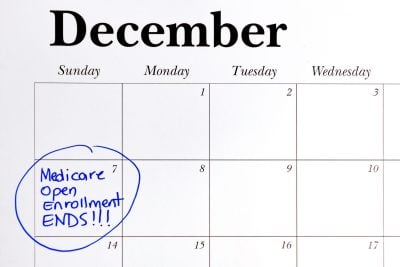
Medicare’s annual open enrollment begins October 15, and there is a new amount worth knowing before the renewal notice gets tossed into the paperwork pile. The standard Part D deductible for 2027 is $700, up from $615 this year.
That $85 increase is already settled. The Centers for Medicare & Medicaid Services (CMS) finalized it in April, along with a higher $2,400 annual out-of-pocket threshold for covered Part D drugs. What is not settled for every retiree is whether the plan they choose will actually make them pay the full $700. That distinction is where the shopping begins.
$700 Is the Standard, Not Everyone’s Bill
Under Medicare’s standard Part D design, the beneficiary pays 100% of covered drug costs subject to the deductible until $700 has been met. After that comes the initial coverage phase, where the standard design generally calls for 25% cost sharing. But insurers have room to offer something better.
Some Part D plans reduce or eliminate the standard deductible. Others may apply it to higher-cost tiers while covering certain lower-tier drugs before the deductible is satisfied. That means two plans can both carry Medicare Part D coverage while giving the same retiree a very different January pharmacy bill.
Certain drugs also have their own federal protections. Covered insulin products and recommended adult vaccines are not simply treated like an ordinary brand-name prescription waiting behind the full standard deductible. So the useful question is not, “How am I going to pay $700?” It is, “How does my 2027 plan apply the deductible to the drugs I actually take?”
The Bigger Ceiling Is Rising Too
The deductible is not the only number moving. In 2027, the annual Part D out-of-pocket threshold rises to $2,400 from $2,100 in 2026. Once a beneficiary reaches that limit through qualifying covered-drug spending, cost sharing falls to $0 for the rest of the calendar year.
The $700 deductible counts toward that journey. It is not $700 on top of another $2,400. That matters for someone using expensive prescriptions throughout the year. The maximum protected exposure for covered Part D drugs is rising by $300, but the ceiling remains firmly in place. A high-cost medication can still make January painful without leaving the retiree exposed to unlimited covered-drug bills through December.
Auto-Renewal Can Hide More Than the Deductible
If a current plan continues into 2027 and the enrollee does nothing during open enrollment, coverage will generally roll over. The name on the card may stay the same while several numbers underneath it change. A prescription can move to another tier. A preferred pharmacy can lose that status. Copays and coinsurance can shift. The deductible itself can be structured differently. That is why comparing premiums alone misses the point.
A plan charging a few dollars more each month could cost less over the full year if it gives favorable treatment to the medications someone actually uses. The reverse can happen just as easily. CMS will release finalized 2027 plan information before open enrollment, which runs from October 15 through December 7. The deductible is only the most visible line item; IRMAA surcharges and coverage gaps can add thousands more, which is why we mapped the full set of Medicare cost traps in a free guide here.
Give the $700 Bump Some Time Before December 7
Once 2027 plans are available, consider these steps:
- Enter every prescription, dose and preferred pharmacy into Medicare Plan Finder and compare total annual spending, not just monthly premiums.
- Check whether each plan applies the full $700 deductible, a smaller one or no deductible to the drug tiers you use.
- Look at the formulary and pharmacy network again even if you intend to keep the same plan. Last year’s good fit does not guarantee next year’s.
Someone taking only inexpensive generics may barely notice the $85 increase. A retiree filling an expensive brand-name prescription could feel it much sooner. The $700 figure is worth knowing. The smarter question is whether your plan makes you pay all of it, and what happens to the pharmacy bill after you do.
Contact [email protected] for any questions or corrections.
Gerelyn Terzo is the author of dividend investing handbook "Dividend Investing Strategies: How to Have Your Cake & Eat It Too." A veteran financial journalist, she covers agri-finance for outlets like Global AgInvesting and the broader stock market and personal finance for 24/7 Wall Street. She began at CNBC and later helped launch Fox Business in New York. Gerelyn currently resides in Woodland Park, Colorado and dabbles in nature photography as a hobby.