Why Ford’s Q3 Results Were Not as Good as They Looked
Ford beat estimates for both earnings and revenues in the third quarter. But the good news was soft concerning the company's real business of making and selling cars and light trucks.

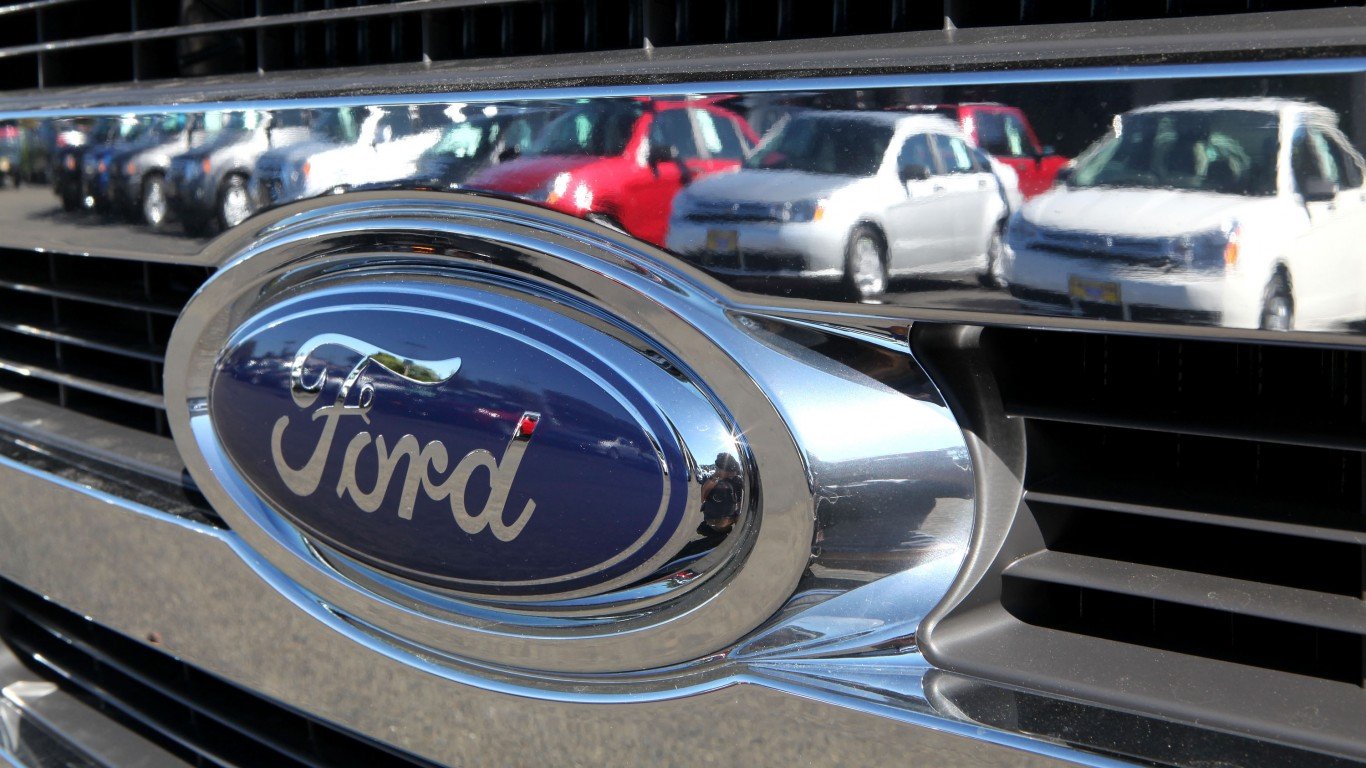
Ford Motor Co. (NYSE: F | F Price Prediction) reported third-quarter 2019 results after markets closed Wednesday afternoon. For the quarter, the automaker posted adjusted diluted earnings per share (EPS) of $0.34 on revenues of $37 billion. In the same period a year ago, the company reported EPS of $0.29 on revenues of $37.69 billion. Analysts were looking for EPS of $0.26 and revenues of $33.98 billion.
Net income dipped from $1 billion in the third quarter of last year to $400 million. GAAP EPS dropped from $0.25 a year ago to $0.11, and net income margin fell to 1.1%, a drop of 1.5 percentage points year over year.
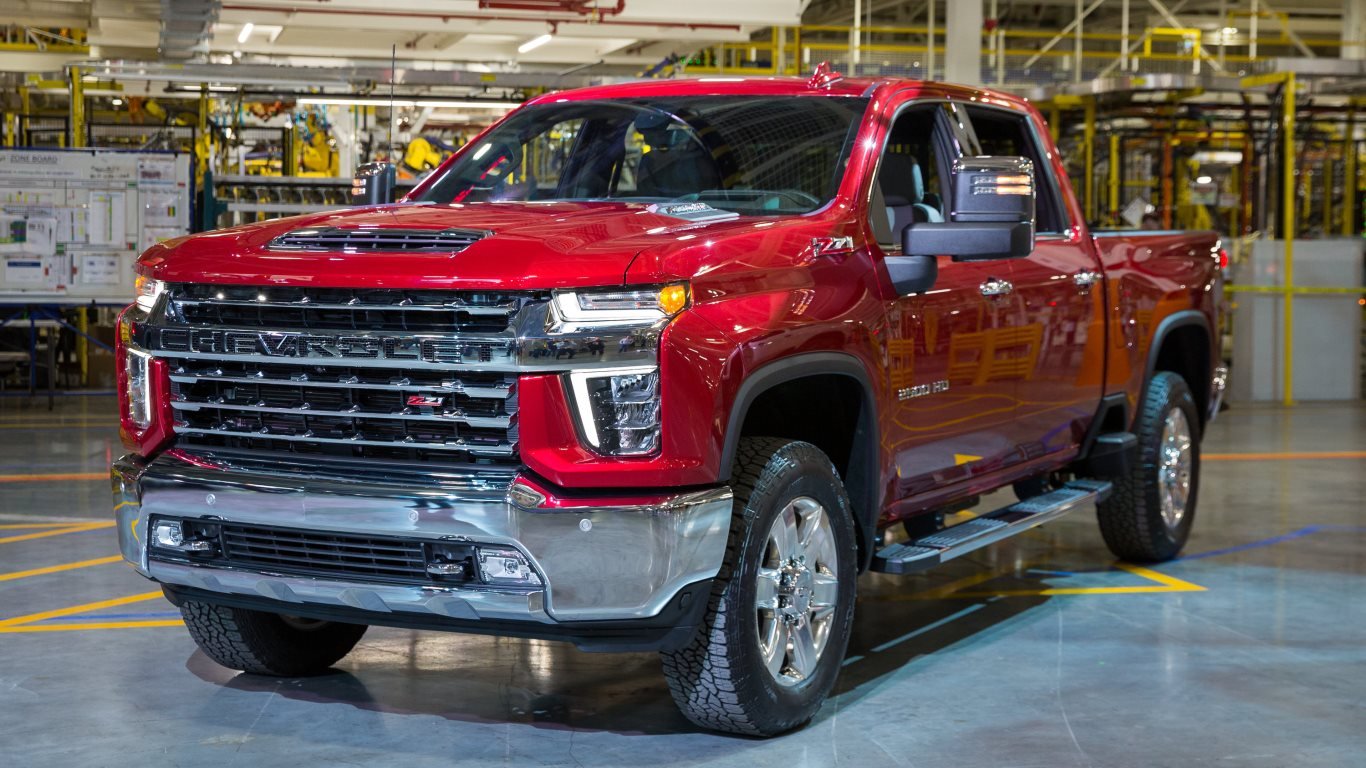
Earlier this month Ford reported third-quarter truck sales jumped 8.8% to 309,920 units and year-to-date truck sales are up 6.9% at 854,220 units. On the downside, sport utility vehicle sales tumbled 10.5% compared to the third quarter of last year, based on a drop of 13.2% in Ford-brand SUV sales and an increase of 19.2% in Lincoln-brand SUVs. Overall U.S. sales were down 4.9% year over year for the quarter and year-to-date sales are down 3.5% compared to the first nine months of 2018. Worldwide sales were down 8% in the quarter and down 11% for the first nine months of the year.
North American market share dipped 0.7 percentage points to 12.6% but revenue rose by 5%. The company said that adjusted EBIT rose by 8% to $1.8 billion in the quarter and that the improvement in operating results was due to mark-to-market investment gains, improvement in the North American, European, and China businesses, and a “strong performance” for Ford’s credit business.
What Ford meant is that it could have been worse. And that’s what the firm is predicting for the fourth quarter. Higher warranty costs, higher-than-planned North American incentives, and lower volumes in China have led Ford to lower its full-year EBIT guidance to $6.5 to $7 billion, down from a second-quarter estimate of $7 to $7.5 billion. Last year, EBIT totaled $7 billion
The high end of full-year EPS guidance was lowered from a prior estimate of $1.35 to $1.32, still above the $1.30 the company posted last year.
CEO Jim Hackett said:
Our Global Redesign is about making choices to transform our organization, to become the world’s most trusted company and a clear leader in an era of rapid change. We are getting stronger today and we have more work to do.
Analysts have forecast adjusted EPS for the fourth quarter at $0.27 on revenue of $37.3 billion. For the full year, the consensus estimates call for EPS of $1.26 on revenue of $144.65 billion.
In after-hours trading Thursday, shares are getting pummeled, down about 2.5% at $8.98 in a 52-week range of $7.41 to $10.56. The consensus 12-month price target on the stock was $10.45 before the earnings report was released last night. The dividend yield on the stock is 6.62%. Investors must be wondering how much longer that can last (the company has already announced that it would pay its quarterly dividend of $0.15 for the fourth quarter).
Contact [email protected] for any questions or corrections.
Paul Ausick has been writing for 247Wallst.com for more than a decade. He has written extensively on investing in the energy, defense, and technology sectors. In a previous life, he wrote technical documentation and managed a marketing communications group in Silicon Valley.
He has a bachelor's degree in English from the University of Chicago and now lives in Montana, where he fishes for trout in the summer and stays inside during the winter.