Lucid’s Future Becomes Endangered
Electric vehicle maker Lucid faces a cash squeeze and concerns about its future.

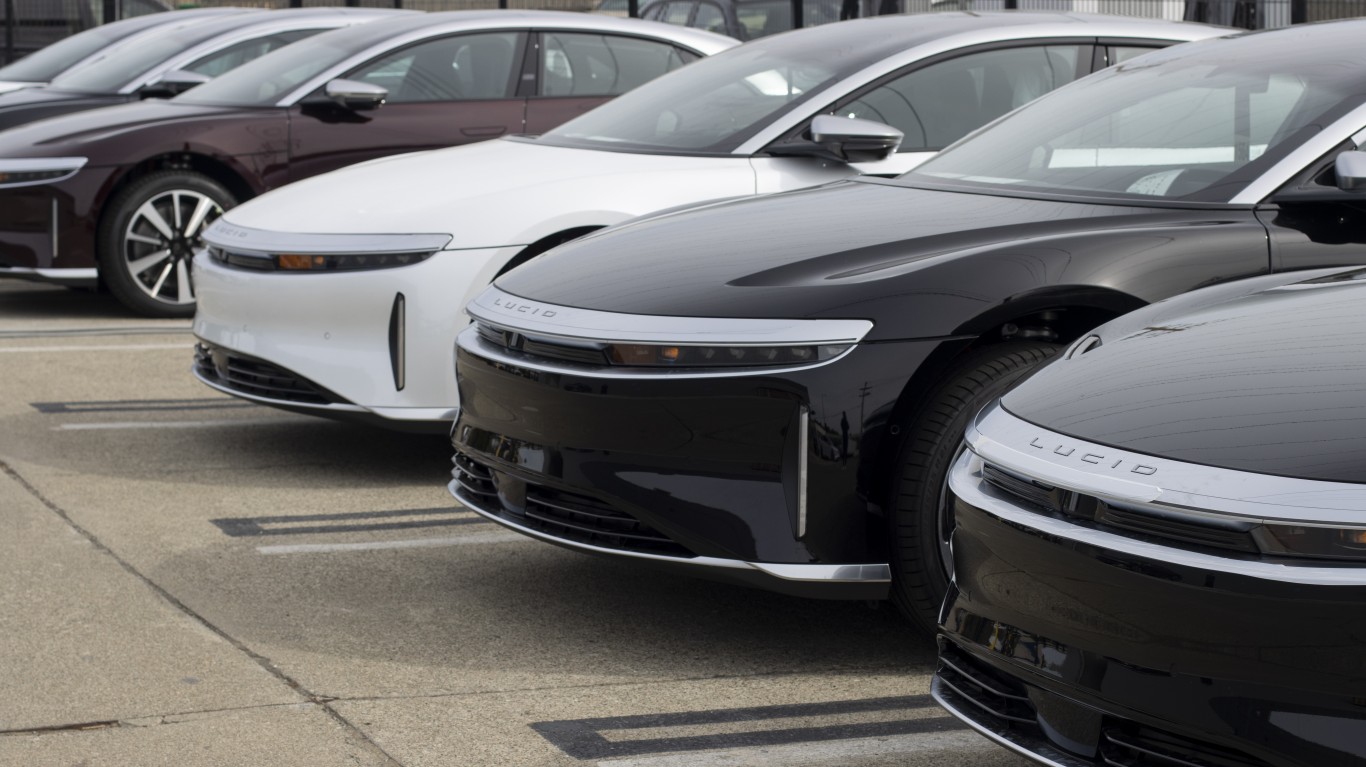
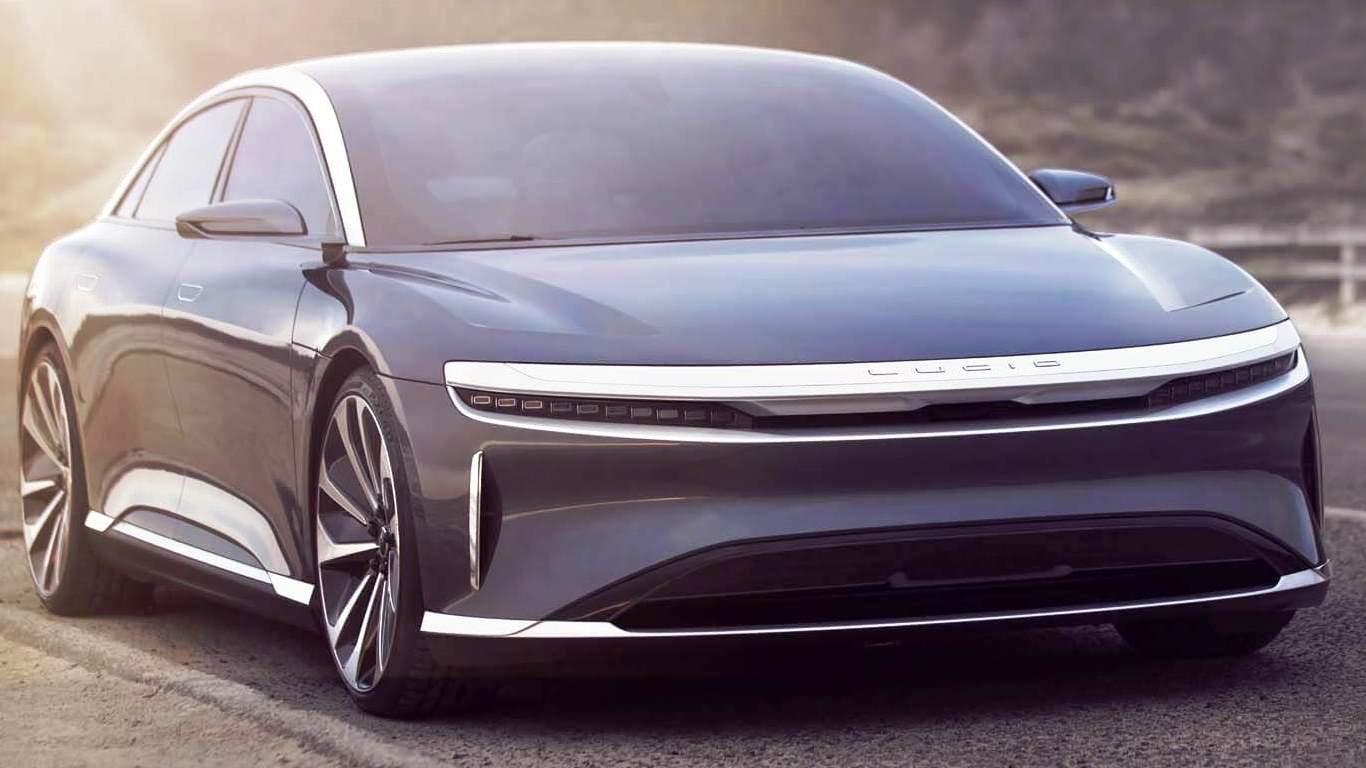
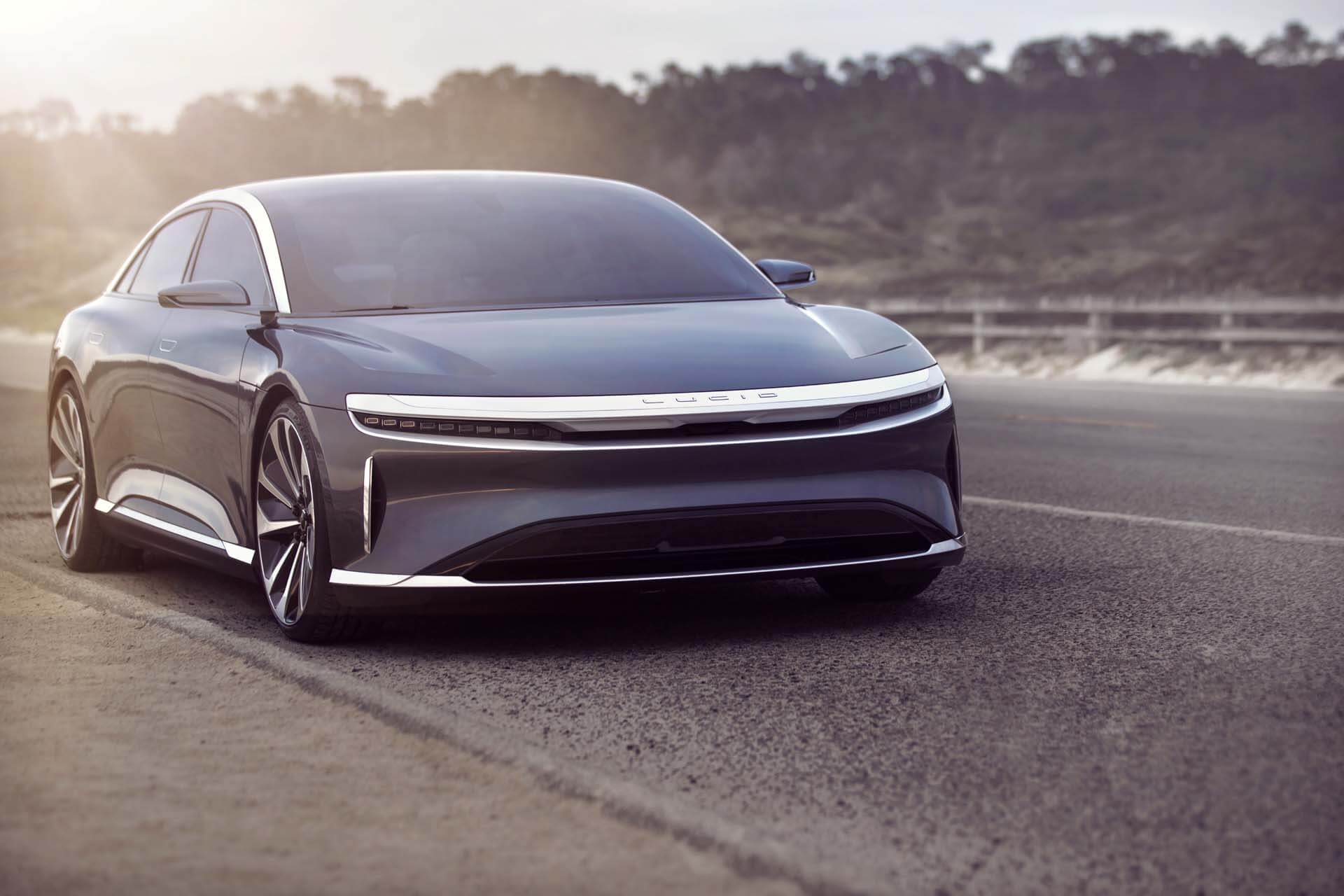
Electric vehicle (EV) maker Lucid Group Inc. (NASDAQ: LCID | LCID Price Prediction) has announced another troubled quarter. Its revenue was $258 million, which was short of expectations. It lost $0.28 a share ($759 million). The company built 7,180 vehicles, which was well short of the forecast number. Lucid faces a cash squeeze and concerns about its future. (Click here to see the 13 biggest electric vehicle failures in American history.)
“The company ended the year with about $4.4 billion in cash and roughly $500 million available via lines of credit, enough to last until the first quarter of 2024,” according to Chief Financial Officer Sherry House. That is a grim figure, given that Lucid will build a shockingly low number of vehicles next year.
Production figures do not get any better next year. Its production guidance was 10,000 to 14,000 for the entire year. Peter Rawlinson, Lucid’s CEO and chief technology officer, commented as the numbers were released, “Lucid Air has it all — industry-leading range, exceptional driving dynamics, and superior performance all wrapped up in a truly elegant design with a spacious interior cabin.” No one cares if they cannot buy one, and prospective buyers also have to worry about whether Lucid will be in business in two years.
Lucid’s stock trades at about $9 a share, which is down 63% in the past year. The market cap is an absurd $18 billion. Ford’s is $49 billion.
Lucid faces a market in which the number of EVs built in America could top 3 million this year. Tesla could build as many as 2 million of those. And there is a price war among EV manufacturers. Some vehicle prices have dropped almost 20%. EV manufacturers are willing to sacrifice margins as they race for critical market share.
There is nothing about the EV marketplace in America this year that favors Lucid in any way. The company should give the money on its balance sheet back to shareholders and call it a day.
Contact [email protected] for any questions or corrections.
Douglas A. McIntyre is the co-founder, chief executive officer and editor in chief of 24/7 Wall St. and 24/7 Tempo. He has held these jobs since 2006.
McIntyre has written thousands of articles for 24/7 Wall St. He is an expert on corporate finance, the automotive industry, media companies and international finance. He has edited articles on national demographics, sports, personal income and travel.
His work has been quoted or mentioned in The New York Times, The Wall Street Journal, Los Angeles Times, The Washington Post, NBC News, Time, The New Yorker, HuffPost USA Today, Business Insider, Yahoo, AOL, MarketWatch, The Atlantic, Bloomberg, New York Post, Chicago Tribune, Forbes, The Guardian and many other major publications. McIntyre has been a guest on CNBC, the BBC and television and radio stations across the country.
A magna cum laude graduate of Harvard College, McIntyre also was president of The Harvard Advocate. Founded in 1866, the Advocate is the oldest college publication in the United States.
TheStreet.com, Comps.com and Edgar Online are some of the public companies for which McIntyre served on the board of directors. He was a Vicinity Corporation board member when the company was sold to Microsoft in 2002. He served on the audit committees of some of these companies.
McIntyre has been the CEO of FutureSource, a provider of trading terminals and news to commodities and futures traders. He was president of Switchboard, the online phone directory company. He served as chairman and CEO of On2 Technologies, the video compression company that provided video compression software for Adobe’s Flash. Google bought On2 in 2009.