




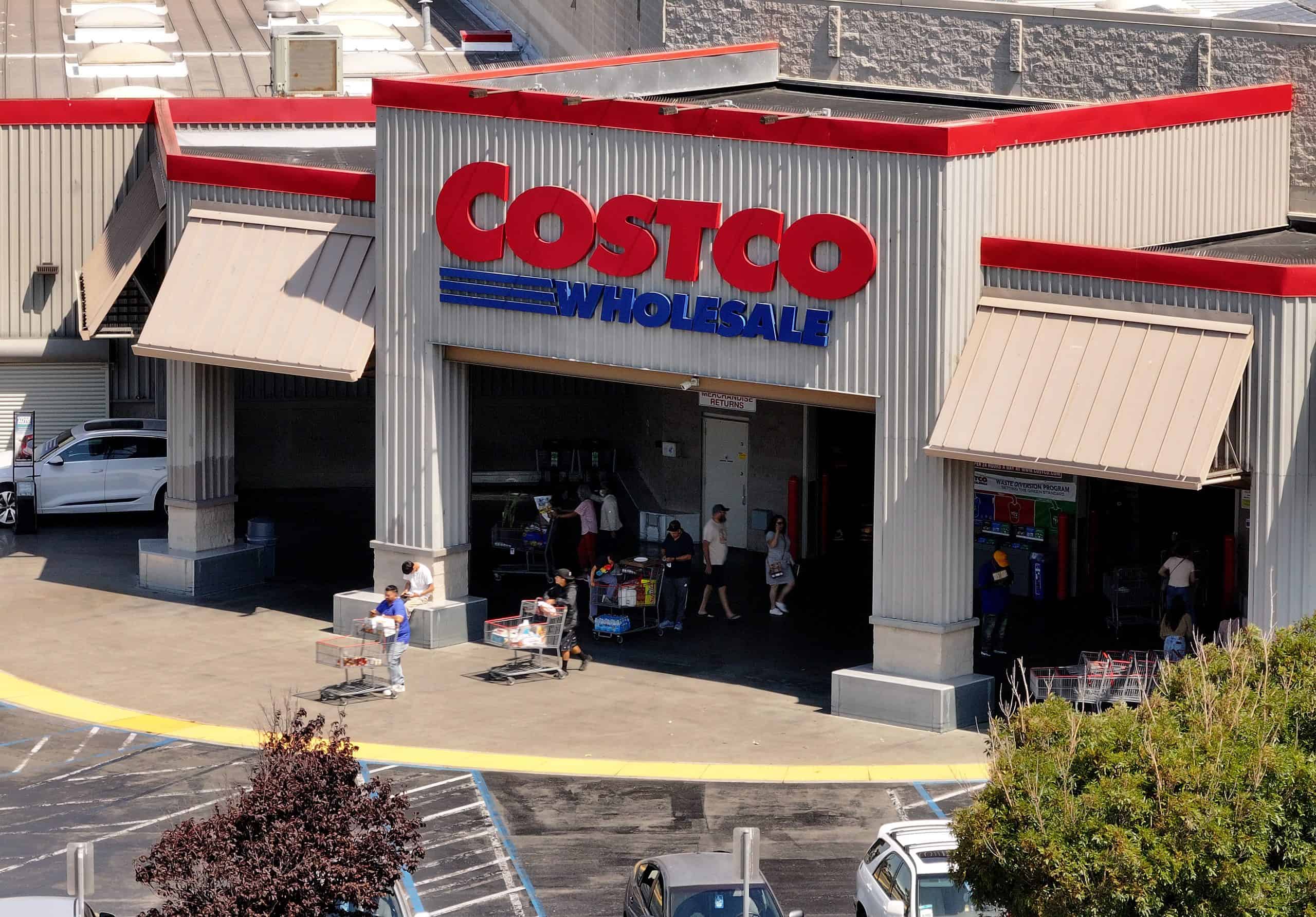
Costco (NASDAQ:COST | COST Price Prediction) and Target (NYSE:TGT) both delivered post-earnings stories that capture the split running through American retail. Costco posted 11.6% revenue growth on the back of a membership cash engine. Target turned in a 17.03% EPS beat, yet operating income fell. With sticky June inflation and dwindling personal savings squeezing households, the contrast matters.
Membership Dues Carry Costco. A Recovery Carries Target.
Costco’s quarter leaned on the most boring line item in retail: dues. Membership fees hit $1.37 billion, up 10.7%, with a 89.7% worldwide renewal rate and executive members generating 75.0% of net sales. That recurring stream lets Kirkland Signature price bulk groceries at near cost, which is exactly what cash-strapped shoppers want. Digitally-enabled comp sales jumped 21.5%, and cash climbed 36.93% to $18.95 billion.
Target’s results read like an inflection, not a victory lap. Comparable sales swung to +5.6% from a 3.8% decline a year earlier, with traffic up 4.4% and all six core categories growing. CEO Michael Fiddelke called it “stronger than expected” while noting “there is much more work in front of us.”. The catch: operating income fell 22.89% and after-tax ROIC slid to 12.4% from 15.1%. The top line is healing faster than the profit line.
Defensive Compounder vs. Discretionary Turnaround
The macro backdrop sharpens the divergence. The personal savings rate sits at 3.9% in Q1 2026, down from 6.2% in Q1 2024. Goods inflation has run from 1.28% YoY in January to 4.78% in May 2026, hitting exactly the apparel, home decor, and hardlines aisles Target leans on. Target’s segment mix shows the exposure: Apparel ($3.85B), Hardlines ($3.52B), and Home Furnishings ($3.24B) are precisely what tired wallets cut first.
| Lens | Costco | Target |
| Core Bet | Membership-funded value | Merchandising authority rebuild |
| Profit Engine | Recurring dues, Kirkland | Roundel ads, Target+, Circle 360 |
| Key Vulnerability | Goods tariff pass-through | Discretionary margin compression |
Target is pivoting to non-merchandise revenue, which grew nearly 25%, anchored by $246 million in Roundel ad revenue. Smart move, though still small relative to the discretionary base.
What Decides the Second Half
I am watching whether Costco can keep widening its grocery price gap as core PCE holds at 3.41%. The company plans roughly 12 new warehouses to reach 940 by year-end, and Kirkland keeps adding SKUs. For Target, the test is whether guidance near the high end of $7.50 to $8.50 EPS holds once tariffs settle into landed cost.
Why I Lean Costco for Durability, but Respect Target’s Setup
Costco is the cleaner business right now. The dues line covers the bulk of operating profit, and shoppers trade up into the warehouse during slowdowns. That is rare. Target intrigues turnaround investors: shares are up 39.66% year to date, and the merchandising reset is real. I would not chase it until the operating margin line stabilizes alongside the comp recovery. For defense, I lean Costco. For variance with a credible plan, Target earns a look.
Contact [email protected] for any questions or corrections.








 Top Gaining Stocks
 Top Losing Stocks