American Car Safety Posts Impressive Improvement
The Insurance Institute for Highway Safety has released its list of the safest cars for 2011. The “TOP SAFETY PICK” award for 2011, included 40 cars, 25 SUVs, and a minivan. The number of American cars on the list doubled. “Hyundai/Kia…


The number of American cars on the list doubled.
“Hyundai/Kia and Volkswagen/Audi each have 9 winners for 2011. Next in line with 8 awards apiece are General Motors, Ford/Lincoln, and Toyota/Lexus/Scion. Subaru is the only manufacturer with a winner in all the vehicle classes in which it competes. Subaru earns 5 awards for 2011,” the group reported. The research may be one of the reasons that the sales of Audis and Hyudais are up so much this year.
The IIHF made some choices which might appear unlikely to the public. The redesigned Volkswagen Touareg is the only large SUV to earn TOP SAFETY PICK for 2011. American car companies have prided themselves on increased SUV safety, particularly after a number of “rollover” accidents several years ago.
Hyundai results show that small cars are not always unsafe ones. The Tucson and the small SUV’s twin, the Kia Sportage, earned a poor rating for roof strength in 2009, with the weakest roof among all of the small SUVs evaluated that year. A redesign helped the 2011 models secure a good rating and TOP SAFETY PICK, the IIHF said.
American cars and trucks earned half of the spots on the list due largely to Buick, Ford, and Lincoln models. Each of the nameplates had strong sales in 2010. Mercedes was the leader among imports. It has four cars and trucks on the list.
It remains to be seen if safer cars are more easy to sell. Domestic vehicle sales in the US are still projected to be below 12 million, down from 16 million in 2005. Ironically, consumers may be willing to keep their current cars longer, particularly if they are so safe.
Methodology note: The Institute’s frontal crashworthiness evaluations are based on results of 40 mph frontal offset crash tests. Each vehicle’s overall evaluation is based on measurements of intrusion into the occupant compartment, injury measures recorded on a 50th percentile male Hybrid III dummy in the driver seat, and analysis of slow-motion film to assess how well the restraint system controlled dummy movement during the test.
Side evaluations are based on performance in a crash test in which the side of a vehicle is struck by a barrier moving at 31 mph. The barrier represents the front end of a pickup or SUV. Ratings reflect injury measures recorded on 2 instrumented SID-IIs dummies representing a 5th percentile woman, assessment of head protection countermeasures, and the vehicle’s structural performance during the impact.
In the roof strength test, a metal plate is pushed against 1 side of a roof at a displacement rate of 0.2 inch per second. To earn a good rating for rollover protection, the roof must withstand a force of 4 times the vehicle’s weight before reaching 5 inches of crush. This is called a strength-to-weight ratio.
Rear crash protection is rated according to a two-step procedure. Starting points for the ratings are measurements of head restraint geometry — the height of a restraint and its horizontal distance behind the back of the head of an average-size man. Seat/head restraints with good or acceptable geometry are tested dynamically using a dummy that measures forces on the neck. This test simulates a collision in which a stationary vehicle is struck in the rear at 20 mph. Seats without good or an average sized man
ALL 66 WINNERS
Large cars
Buick LaCrosse
Buick Regal
BMW 5 series (except 4-wheel drive and V8)
Cadillac CTS sedan
Ford Taurus
Hyundai Genesis
Infiniti M37/M56 (except M56x 4-wheel drive)
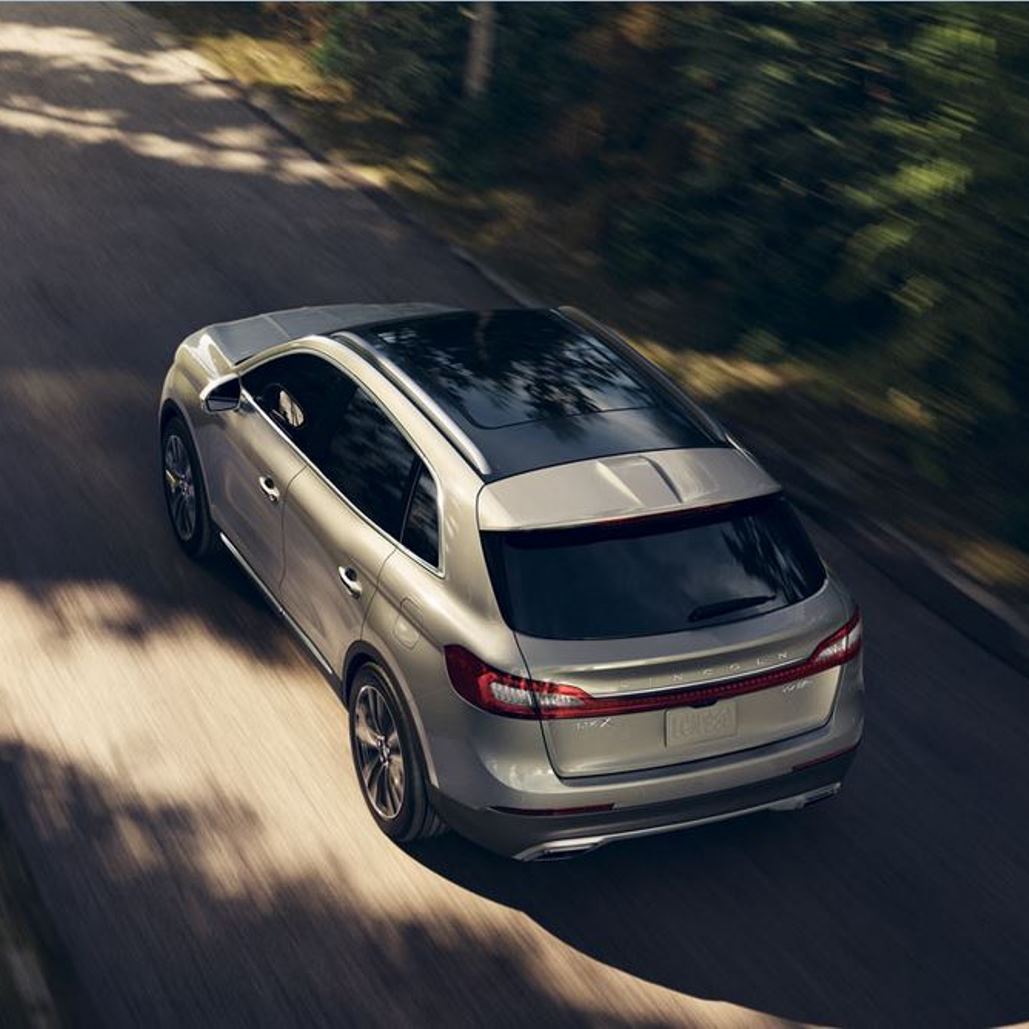
Lincoln MKS
Mercedes E class coupe
Mercedes E class sedan
Toyota Avalon
Volvo S80
Midsize cars
Audi A3
Audi A4 sedan
Chevrolet Malibu
Chrysler 200 4-door
Dodge Avenger
Ford Fusion
Hyundai Sonata
Kia Optima
Lincoln MKZ
Mercedes C class
Subaru Legacy
Subaru Outback
Volkswagen Jetta sedan
Volkswagen Jetta SportWagen
Volvo C30
Small cars
Chevrolet Cruze
Honda Civic 4-door models (except Si) with optional electronic stability control
Kia Forte sedan
Kia Soul
Mitsubishi Lancer sedan (except 4-wheel drive)
Nissan Cube
Scion tC
Scion xB
Subaru Impreza sedan and hatchback (except WRX)
Toyota Corolla
Volkswagen Golf 4-door
Volkswagen GTI 4-door
Minicar
Ford Fiesta sedan and hatchback built after July 2010
Minivan
Toyota Sienna
Large SUV
Volkswagen Touareg
Midsize SUVs
Audi Q5
Cadillac SRX
Chevrolet Equinox
Dodge Journey
Ford Explorer
Ford Flex
GMC Terrain
Hyundai Santa Fe
Jeep Grand Cherokee
Kia Sorento built after March 2010
Lexus RX
Lincoln MKT
Mercedes GLK
Subaru Tribeca
Toyota Highlander
Toyota Venza
Volvo XC60
Volvo XC90
Small SUVs
Honda Element
Hyundai Tucson
Jeep Patriot with optional side torso airbags
Kia Sportage
Subaru Forester
Volkswagen Tiguan
Contact [email protected] for any questions or corrections.
Douglas A. McIntyre is the co-founder, chief executive officer and editor in chief of 24/7 Wall St. and 24/7 Tempo. He has held these jobs since 2006.
McIntyre has written thousands of articles for 24/7 Wall St. He is an expert on corporate finance, the automotive industry, media companies and international finance. He has edited articles on national demographics, sports, personal income and travel.
His work has been quoted or mentioned in The New York Times, The Wall Street Journal, Los Angeles Times, The Washington Post, NBC News, Time, The New Yorker, HuffPost USA Today, Business Insider, Yahoo, AOL, MarketWatch, The Atlantic, Bloomberg, New York Post, Chicago Tribune, Forbes, The Guardian and many other major publications. McIntyre has been a guest on CNBC, the BBC and television and radio stations across the country.
A magna cum laude graduate of Harvard College, McIntyre also was president of The Harvard Advocate. Founded in 1866, the Advocate is the oldest college publication in the United States.
TheStreet.com, Comps.com and Edgar Online are some of the public companies for which McIntyre served on the board of directors. He was a Vicinity Corporation board member when the company was sold to Microsoft in 2002. He served on the audit committees of some of these companies.
McIntyre has been the CEO of FutureSource, a provider of trading terminals and news to commodities and futures traders. He was president of Switchboard, the online phone directory company. He served as chairman and CEO of On2 Technologies, the video compression company that provided video compression software for Adobe’s Flash. Google bought On2 in 2009.