The Impact of Higher Fuel Economy Standards on US Consumption
The Alliance of Automobile Manufacturers has sent a letter to the president-elect's transition team seeking delays in implementing the emissions rules they had agreed to four years earlier.


On November 30, the U.S. Environmental Protection Agency (EPA) released its proposed determination to leave unchanged the greenhouse-gas emissions standard and the CAFE (Corporate Average Fuel Economy) standard set to take effect for light vehicles between 2022 and 2025. The proposed standards were developed with input from the auto industry and promulgated in 2012.
Following the November election of Donald Trump, the Alliance of Automobile Manufacturers sent a letter to the president-elect’s transition team seeking delays in implementing the rules they had agreed to four years earlier. Their appeal is likely to fall on more receptive ears.
Trump has chosen Oklahoma Attorney General Scott Pruitt to be the next EPA administrator. Pruitt is among a group of state attorneys general who are suing the EPA over the Obama administration’s Clean Power Plan. Pruitt also has written that “global warming has inspired one of the major policy debates of our time [and] [t]hat debate is far from settled.” Needless to say, environmentalists reacted negatively to Trump’s choice.
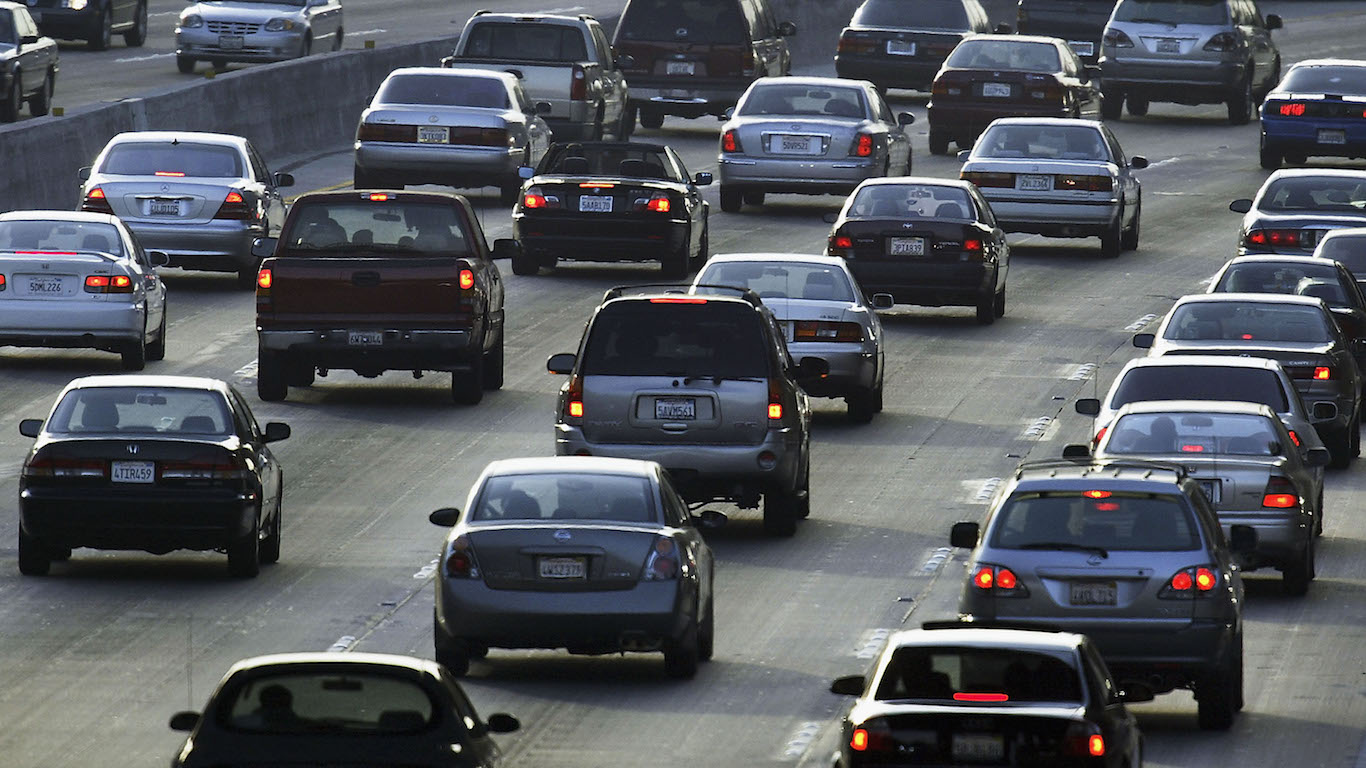
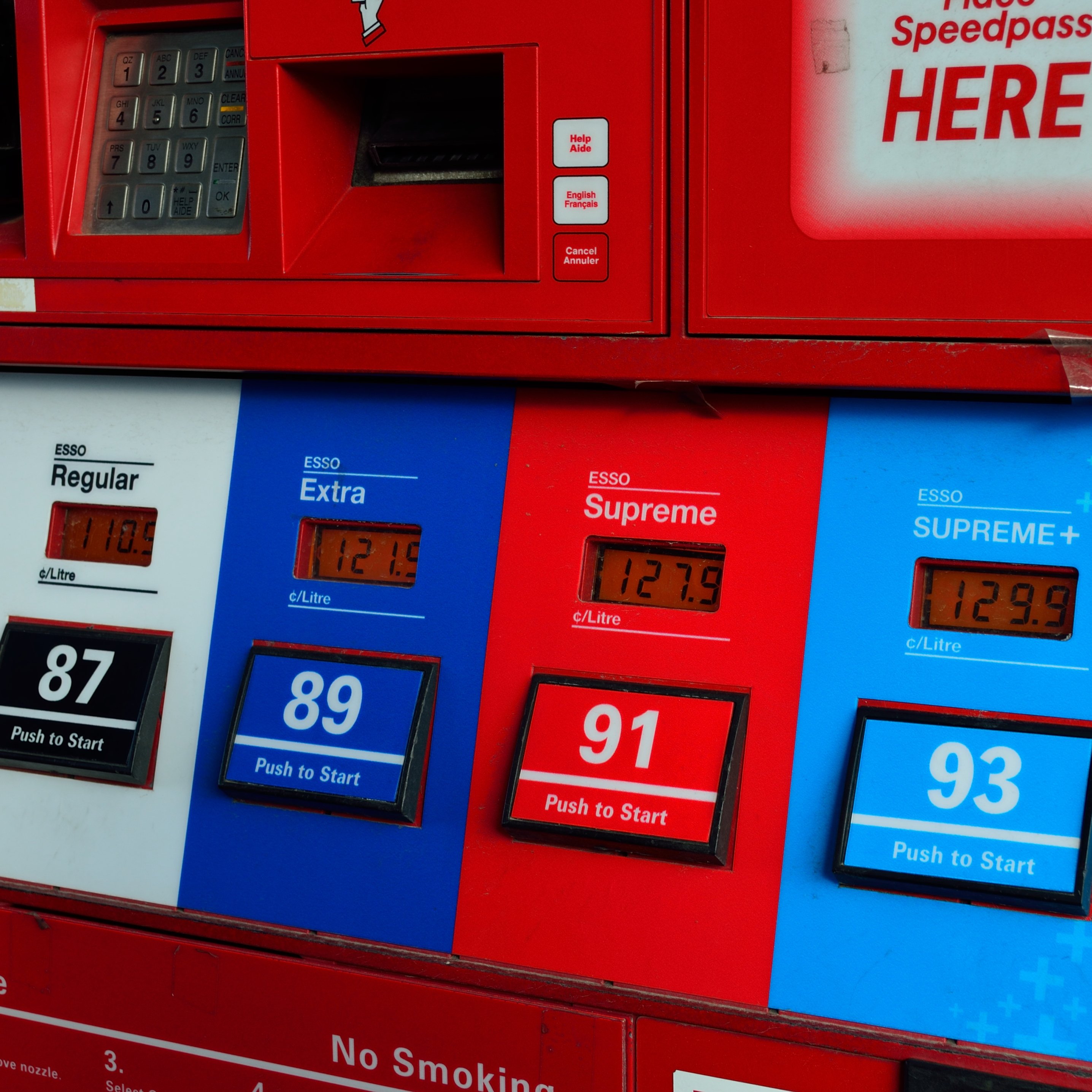
Whatever the state of the debate over climate change, one thing is pretty clear. The raising of the miles-per-gallon (CAFE) requirements for cars and light trucks means U.S. drivers will use less gasoline and generate less carbon emissions. How much less was the subject of a recent study by Michael Sivak and Brandon Schoettle of the University of Michigan Sustainable Worldwide Transportation.
One aspect that may have a significant effect on overall fuel consumption and emissions is the ratio of cars to light trucks coming off the production line. The more light trucks that are sold, the more fuel consumption is projected to rise. In 2022, for example, the CAFE standard for cars is 39.9 mpg and for light trucks 27.9 mpg. By 2025 the standard for cars rises to 45.4 mpg and 32.1 mpg for light trucks.
If the ratio remains roughly the same in model years 2022 through 2025 as it was in 2015 — 57.4% cars and 42.6% light trucks — fuel consumption in 2022 alone would drop by about 1%. If the ratio should rise to 70% cars and 30% light trucks, the one year savings would amount to 4.6%, or 257 million gallons.
Conversely if the ratio of cars should fall to 50-50, U.S. drivers will consume 151 million more gallons of fuel and in the four years through 2025 a total of 1.4 billion gallons more, an increase of 2.6%. If the ratio of cars to light trucks should drop to 40-60, U.S. drivers will consume 3.3 billion gallons more relative to 2015 consumption.
Contact [email protected] for any questions or corrections.
Paul Ausick has been writing for 247Wallst.com for more than a decade. He has written extensively on investing in the energy, defense, and technology sectors. In a previous life, he wrote technical documentation and managed a marketing communications group in Silicon Valley.
He has a bachelor's degree in English from the University of Chicago and now lives in Montana, where he fishes for trout in the summer and stays inside during the winter.