US Auto Fuel Economy Rating Drops to 25.1 MPG in June
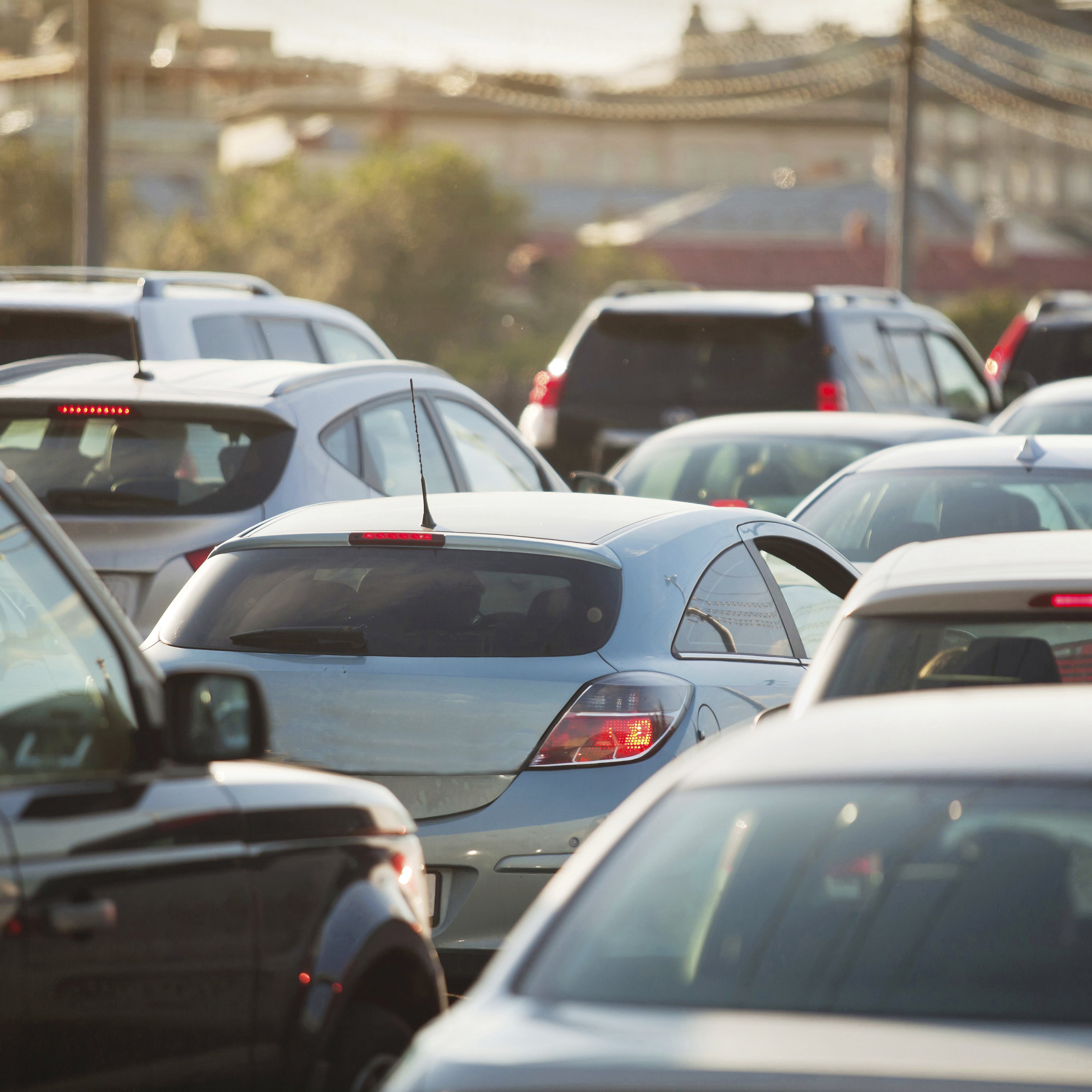
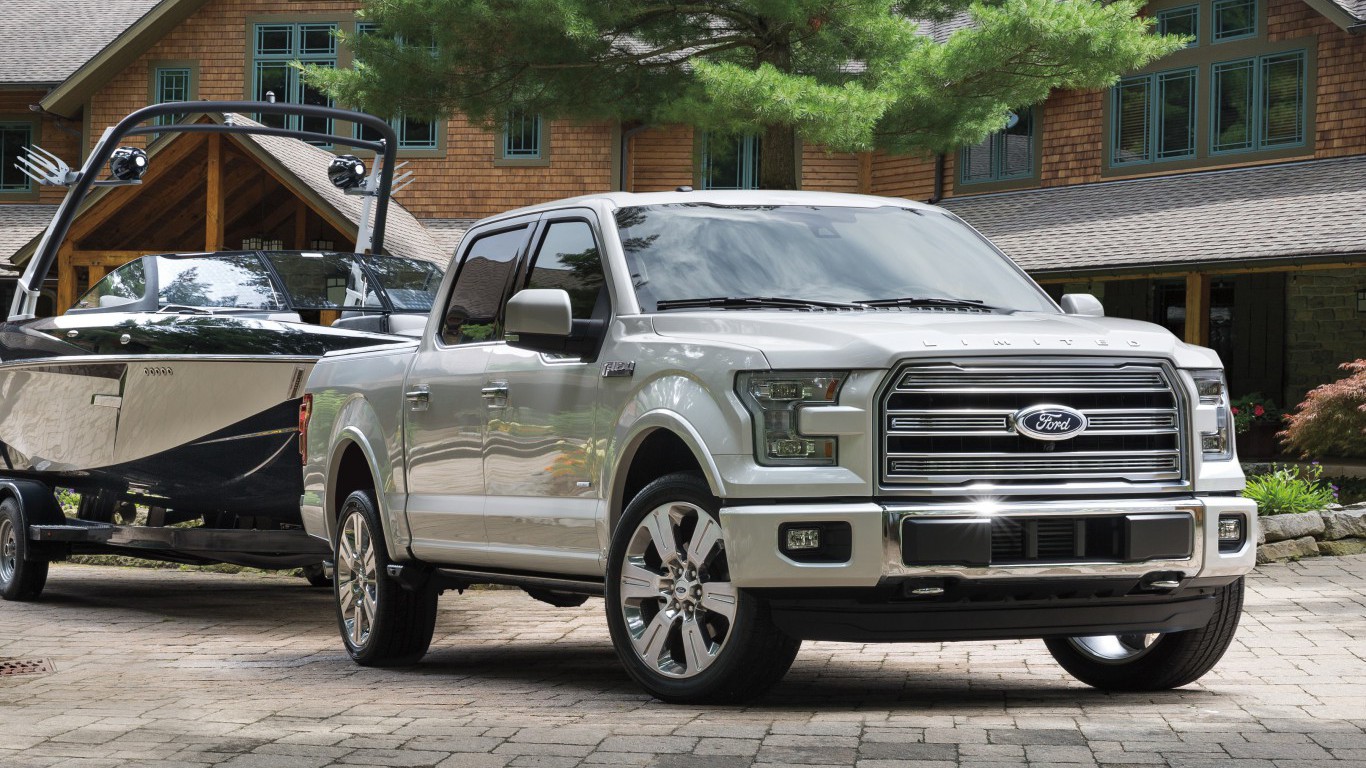
The average fuel economy rating of new vehicles sold in June fell as consumers continue to buy pickups, SUVs and crossovers with lower fuel economy ratings than passenger cars. Is it just because gas prices are low?


The average fuel-economy rating for new vehicles sold in the U.S. in June 2017 was 25.1 mpg, a decline of 0.2 percentage points from the May average. For all of 2016, the average fuel-economy rating for new vehicles sold was 25.2 mpg, down 0.1 mpg from the 2015 average.
Compared with October 2007, fuel economy ratings on new cars sold has improved by 5.0 miles per gallon, or nearly 25%.
While the window sticker average is 5 mpg higher than when the data were first collected, the average is 0.4 mpg below its revised all-time high of 25.5 mpg set in August 2014. As gasoline prices continue to be relatively low in the United States, consumers purchase more light trucks, sport utility vehicles (SUVs) and crossovers, which get lower mpg ratings and drive down the average.
The data are based on the average sales-weighted fuel economy rating printed on a new car’s window sticker and are compiled by Michael Sivak and Brandon Schoettle of the University of Michigan’s Transportation Research Institute.
The sales-weighted unadjusted Corporate Average Fuel Economy (CAFE) performance rating averaged 31.2 miles per gallon in June, a decline of 0.3 percentage points month over month and an improvement of 6.5 mpg since October 2007. These values are not directly comparable to the window-sticker ratings because these are adjusted by the EPA and used to derive the window-sticker ratings.
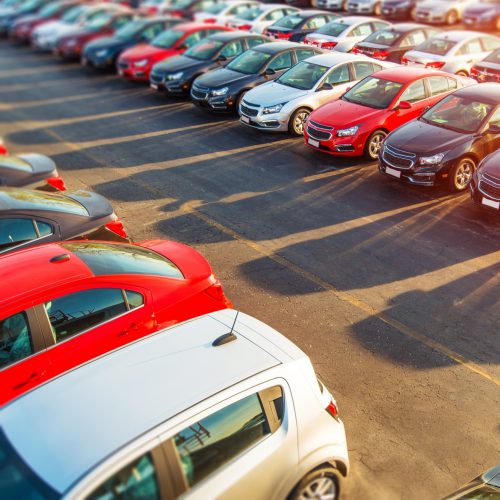
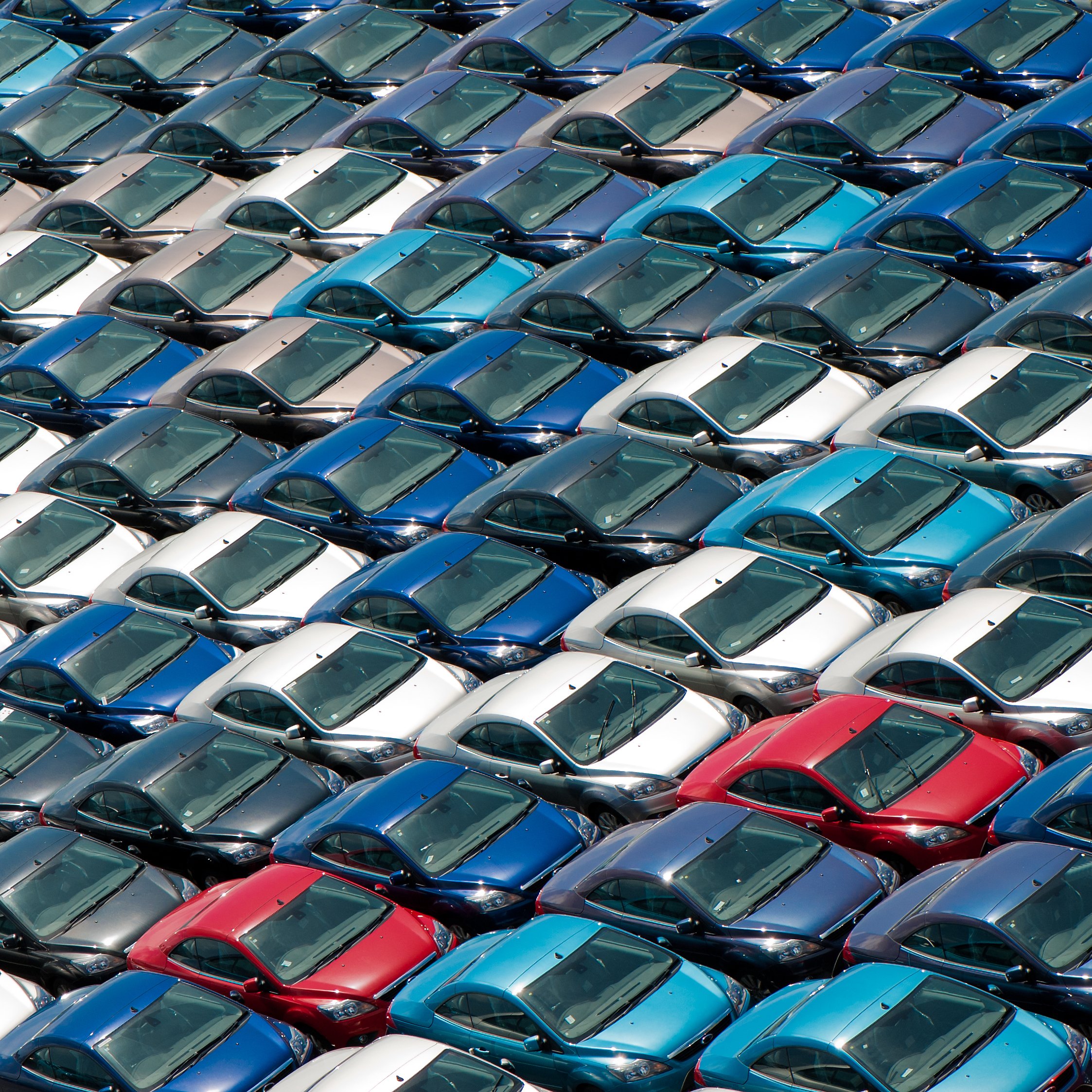
An observation: The shift in sales from cars to trucks may not be entirely a free-market movement away from passenger cars to trucks or due to lower gasoline prices. Dealers carry very few passenger cars in inventory while keeping their lots full of trucks. Retail customers tend to buy off the lot, so the proportion of car sales to truck sales drops. Margins on trucks, SUVs and crossovers are higher than on passenger cars and that also encourages dealers to stock up on light trucks.
The auto industry has used this playbook before. They began stocking vehicles with automatic transmissions instead of manual transmission because automatics were a higher cost option. Retail customers bought the higher cost option because it was there, and now it’s difficult to find a car (or light truck) with a manual transmission except in sports or high-performance cars.
Contact [email protected] for any questions or corrections.
Paul Ausick has been writing for 247Wallst.com for more than a decade. He has written extensively on investing in the energy, defense, and technology sectors. In a previous life, he wrote technical documentation and managed a marketing communications group in Silicon Valley.
He has a bachelor's degree in English from the University of Chicago and now lives in Montana, where he fishes for trout in the summer and stays inside during the winter.