UPS: Bigger Boxes Mean Higher Prices
UPS cutting the one-price strategy as part of its offerings means higher prices for shippers, but almost certainly higher revenue and more controlled costs for UPS.

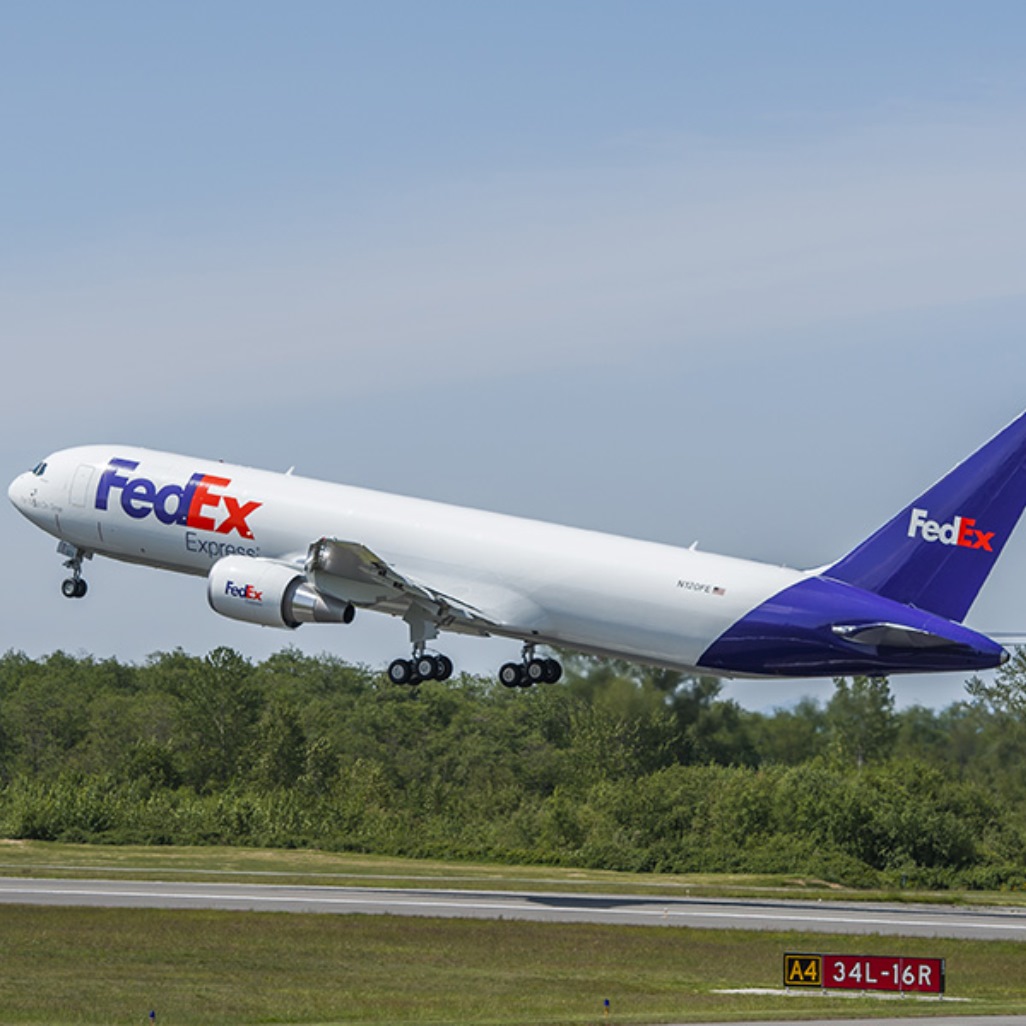
 The one-size, one-price strategy employed off and on by the U.S. Postal Service, United Parcel Service Inc. (NYSE: UPS) and FedEx Corp. (NYSE: FDX) has come to an end. The decision means higher prices for shippers, but almost certainly higher revenue and more controlled costs for UPS | UPS Price Prediction, as it cuts the one-price strategy as part of its offerings.
UPS management announced:
[B]eginning December 29, 2014, in the United States, dimensional weight will be utilized to calculate the billable weight of a shipment on all UPS Ground services and UPS Standard to Canada packages. UPS already applies this method for UPS air services (domestic and international), UPS Standard to Mexico ground services and for UPS Ground packages and UPS Standard to Canada packages measuring 3 cubic feet in size or larger.
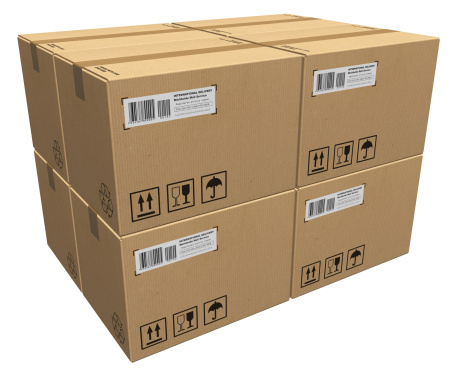
In other words, big boxes take up more space on UPS planes and trucks, even if the packages are light. And space costs UPS something, when larger boxes require space that could be used for additional parcels. Less efficient use of space means UPS has higher transportation costs and, theoretically, is forced to use more trucks and planes as well. UPS management hopes that shippers will be more efficient when they pack boxes, so as not to be charged more under the new price system.
ALSO READ: The Most Profitable Products
UPS is acknowledging that it made a mistake in the past. In the name of competing, mostly with FedEx and the USPS, UPS created a system in which customers could disregard package size and focus on weight. Now, UPS takes the risk of customers who want to pack boxes as they please fleeing to its competition. However, that may not be the case for long. As often happens, the USPS and FedEx may acknowledge that they made the same mistake and use the UPS move to increase prices based on size as well. The UPS dilemma is not unique to its business model, nor is the solution.
Taken together, UPS, FedEx and the USPS represent something of a monopoly. Shippers have nowhere to turn because there are no other alternatives. For that reason, shipping prices based on size will become the norm soon. UPS has broken the ice as a means to solve an industrywide problem.
ALSO READ: Companies That Owe Employees a Raise
Contact [email protected] for any questions or corrections.
Douglas A. McIntyre is the co-founder, chief executive officer and editor in chief of 24/7 Wall St. and 24/7 Tempo. He has held these jobs since 2006.
McIntyre has written thousands of articles for 24/7 Wall St. He is an expert on corporate finance, the automotive industry, media companies and international finance. He has edited articles on national demographics, sports, personal income and travel.
His work has been quoted or mentioned in The New York Times, The Wall Street Journal, Los Angeles Times, The Washington Post, NBC News, Time, The New Yorker, HuffPost USA Today, Business Insider, Yahoo, AOL, MarketWatch, The Atlantic, Bloomberg, New York Post, Chicago Tribune, Forbes, The Guardian and many other major publications. McIntyre has been a guest on CNBC, the BBC and television and radio stations across the country.
A magna cum laude graduate of Harvard College, McIntyre also was president of The Harvard Advocate. Founded in 1866, the Advocate is the oldest college publication in the United States.
TheStreet.com, Comps.com and Edgar Online are some of the public companies for which McIntyre served on the board of directors. He was a Vicinity Corporation board member when the company was sold to Microsoft in 2002. He served on the audit committees of some of these companies.
McIntyre has been the CEO of FutureSource, a provider of trading terminals and news to commodities and futures traders. He was president of Switchboard, the online phone directory company. He served as chairman and CEO of On2 Technologies, the video compression company that provided video compression software for Adobe’s Flash. Google bought On2 in 2009.