You’ll Be Surprised by How Many Americans Use CBD Products
Is America on the verge of going CBD-crazy? There’s some evidence that we’re headed that way. Cannabidiol, or CBD — an active but not psychoactive compound found in marijuana (that is, it won’t get you high) — has been credited…

Is America on the verge of going CBD-crazy? There’s some evidence that we’re headed that way.
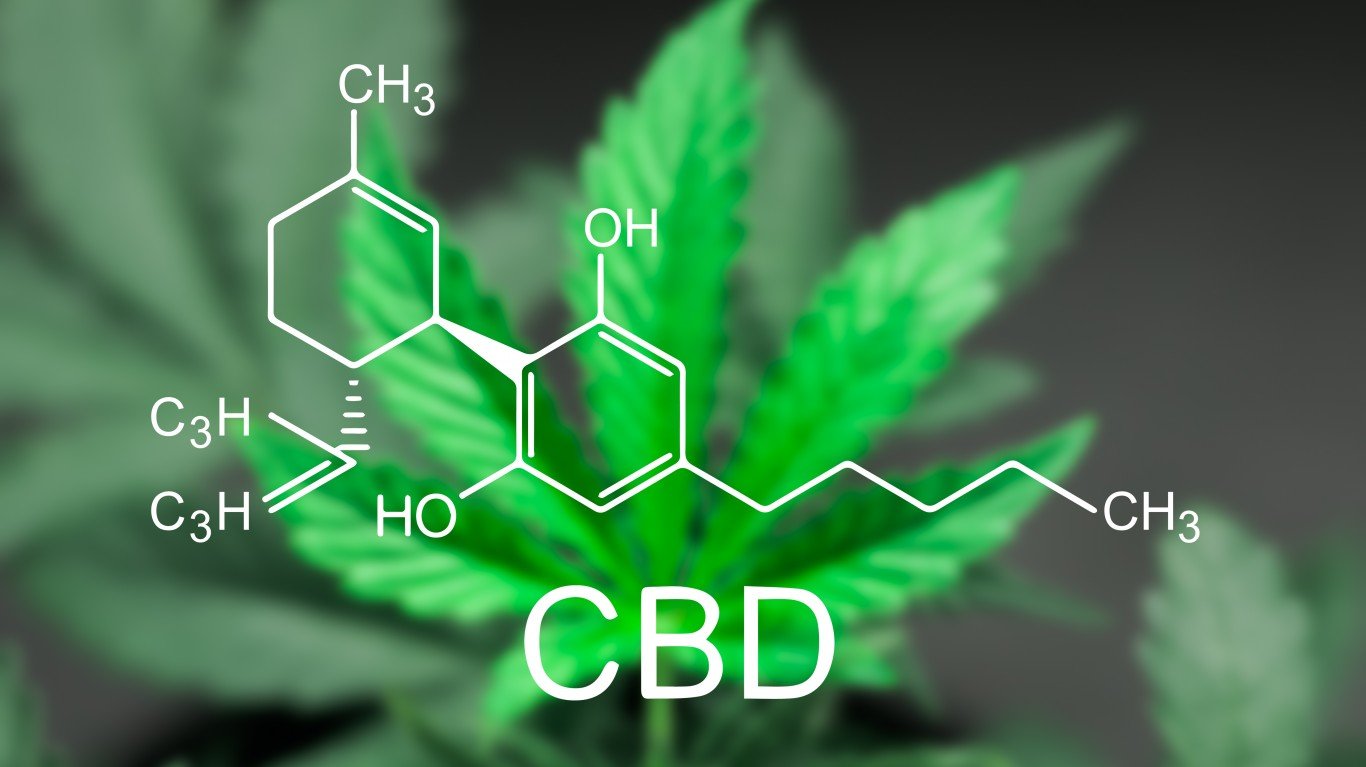
Cannabidiol, or CBD — an active but not psychoactive compound found in marijuana (that is, it won’t get you high) — has been credited with near-magical powers. Its proponents claim that it can combat everything from acne to depression to Parkinson’s disease.
While scientists say that it has indeed proven useful for treating childhood epilepsy and may be useful for curing insomnia, anxiety, and some chronic pain, many of its other supposed benefits have yet to be proven. That hasn’t stopped a lot of Americans from giving it a try.
According to a new Gallup Poll on CBD use, 14% — about 1 in 7 — of U.S. adults personally use CBD products. Perhaps not surprisingly, the highest percentages of usage come in the 18-29 age group (20%) and in the western states (21%). Only 8% of those over 65 and 11% of those between 50 and 64 use CBDs. The poll also found that 50% of those surveyed don’t use CBDs, and 35% say they are unfamiliar with them.
Some 40% of those who do use CBDs take them for pain of various kinds. The next most common uses are to treat anxiety (20%), insomnia or other sleep issues (11%), arthritis (8%), and migraines or other headaches and stress (5% each). If CBDs help cure sleep disorders, they will be a major boon to our health, considering how important sleep really is for overall health. This is how we damage our bodies when we don’t get enough sleep.
In addition, 4% of the survey respondents said they use the substance for recreational purposes and 1% give it to their pets. Feeding CBD to a dog may seem surprising, but maybe not as much when you realize just how much time and effort young people are willing to spend to care for an ill pet. This is how much Millennials would spend to nurse their sick dog back to health.
CBD products have proliferated since the federal government legalized them in December, though the FDA is still conducting research into their effects and some states still restrict them. Health authorities also point out that CBDs are sold as a dietary supplement, not a medication, which means that the FDA doesn’t regulate them for purity or safety.
Contact [email protected] for any questions or corrections.
Grant Suneson is a senior editor at 24/7 Wall St. He was previously a digital content creator at Newsy and a reporter at NPR member station KBIA, where he contributed to their Edward R. Murrow Award-winning coverage. He graduated from the University of Missouri with a degree in journalism.
Grant’s work has been published and referenced in many major outlets such as MSN, USA Today, Yahoo Finance, Detroit Free Press, Milwaukee Journal Sentinel, Austin American-Statesman, The Tennessean, The Cincinnati Enquirer, The Indianapolis Star, The Clarion-Ledger, WSB-TV, Des Moines Register, Asbury Park Press, KMGH-TV, and many others.