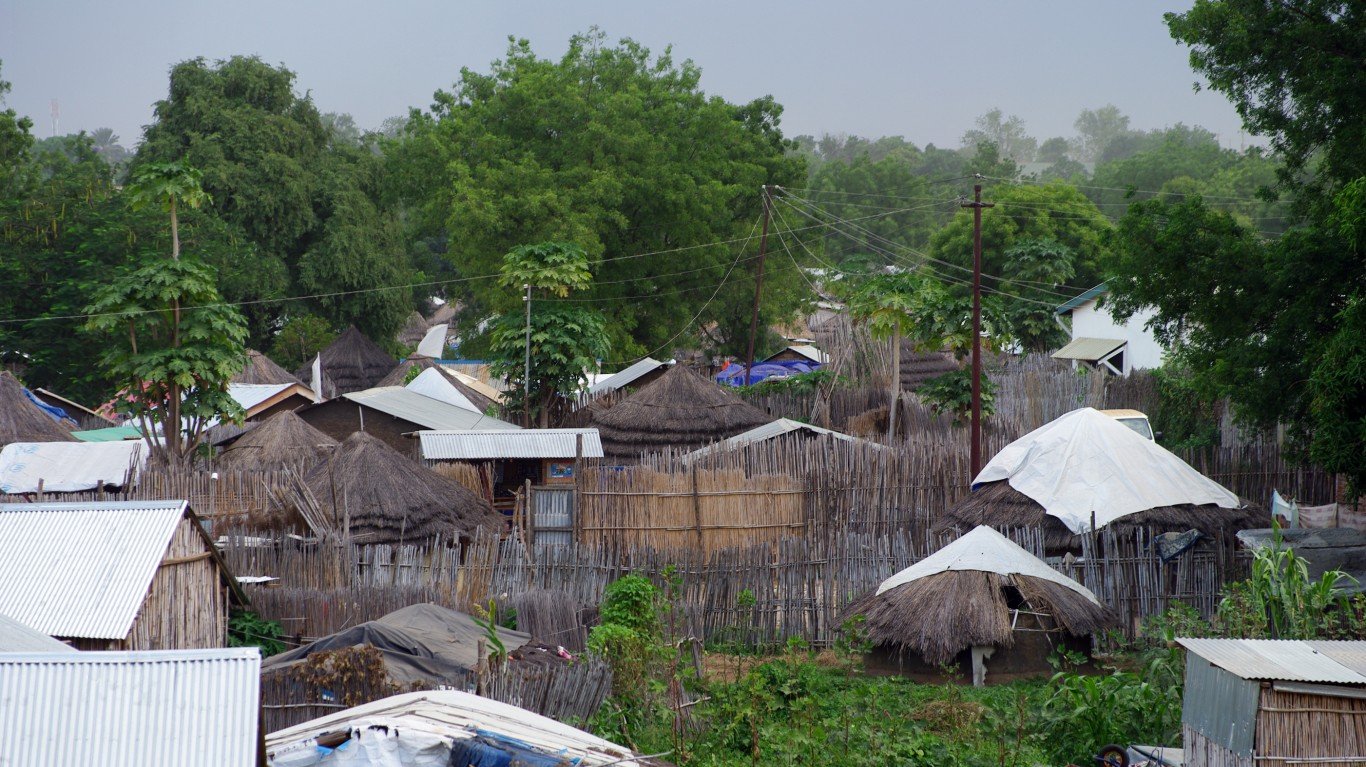
Transparency Index Shows No North American Country in Bottom 20, but These Are the Most Corrupt Countries in the World
The United States Supreme Court’s recent decisions in Snyder vs. United States and Trump vs. U.S. have caused concern for many over the long-term implications of prosecuting government officials. Experts warn these two decisions could make it harder to pursue…


The United States Supreme Court’s recent decisions in Snyder vs. United States and Trump vs. U.S. have caused concern for many over the long-term implications of prosecuting government officials. Experts warn these two decisions could make it harder to pursue public corruption charges because of immunity granted for “official acts” and narrowing the scope of what is considered illegal gratuity. Conservative Justice Amy Coney Barrett even provided dissent against part of the ruling on Trump’s case, citing that “excluding from trial any mention of the official act connected to the bribe would hamstring the prosecution.”
These decisions have only succeeded in increasing tensions between the Court and Democratic members of Congress, who feel they are out of control based on their recent decisions. “One thing this decision does is it further hollows out protections against high-level government corruption, and that is deeply troubling given the norms that have collapsed around self-dealing at the highest levels in recent years,” Dan Weiner, the director of elections and government at the Brennan Center for Justice, said. Democratic members have been demanding for months now that the Chief Justice implement a code of ethics for the court, but they have been met with deaf ears. Accusations continue to fly regarding the justices’ level of corruption marring their ability to make impartial rulings on these matters.
According to Transparency International, there has been a global decline in justice and the rule of law since 2016, and both factors are essential for preventing corruption at both the national and international levels.
Among Transparency International’s 20 countries at the bottom of its 2024 index, 9 are in the sub-Saharan region of Africa. Three are in the Asia Pacific region, three are in the Americas, three are in the Middle East & North Africa, and two are in Eastern Europe & Central Asia. No country on this list is from Western Europe & the EU. And while the Americas encompass North America, no country on this list is from North America. The U.S. ranks as the 28th least corrupt.
This post was updated on September 10, 2025 to include data from Transparency International’s most recent index (2024).
Why Are We Talking About Corruption?

Corruption weakens democracies and increases inequality, social division, poverty, and the environmental crisis. If we can better understand corruption and what “makes it tick,” we are better able to expose it when we see it and hold those responsible accountable. Corruption happens anywhere and with anyone. Transparency in public offices is how we are able to ensure it doesn’t happen.
Let’s discover the 20 most corrupt countries:
20. Guinea-Bissau
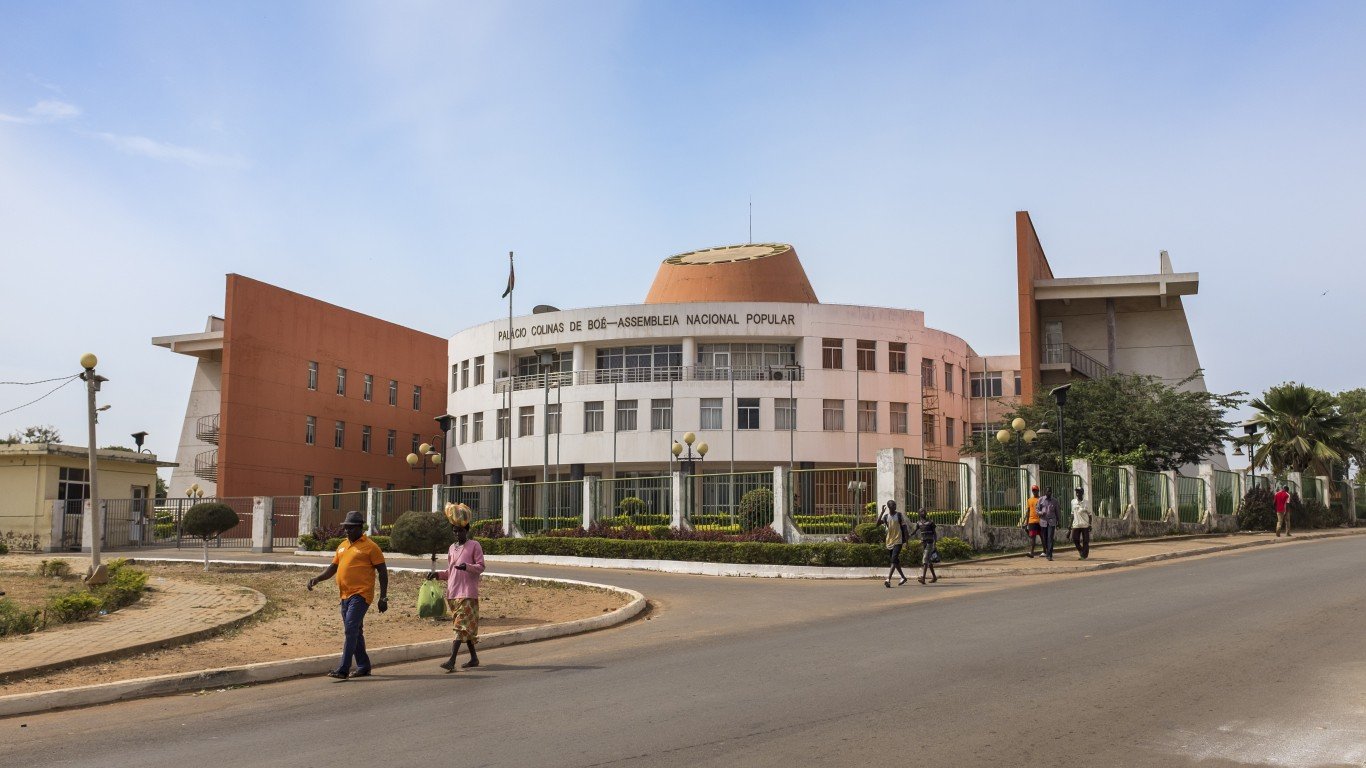
- Region: sub-Saharan Africa
- Rank: 158/180
- Corruption Perception Index: 21 out of 100 (tied)
- Annual change in corruption: 1 point decline
19. Zimbabwe
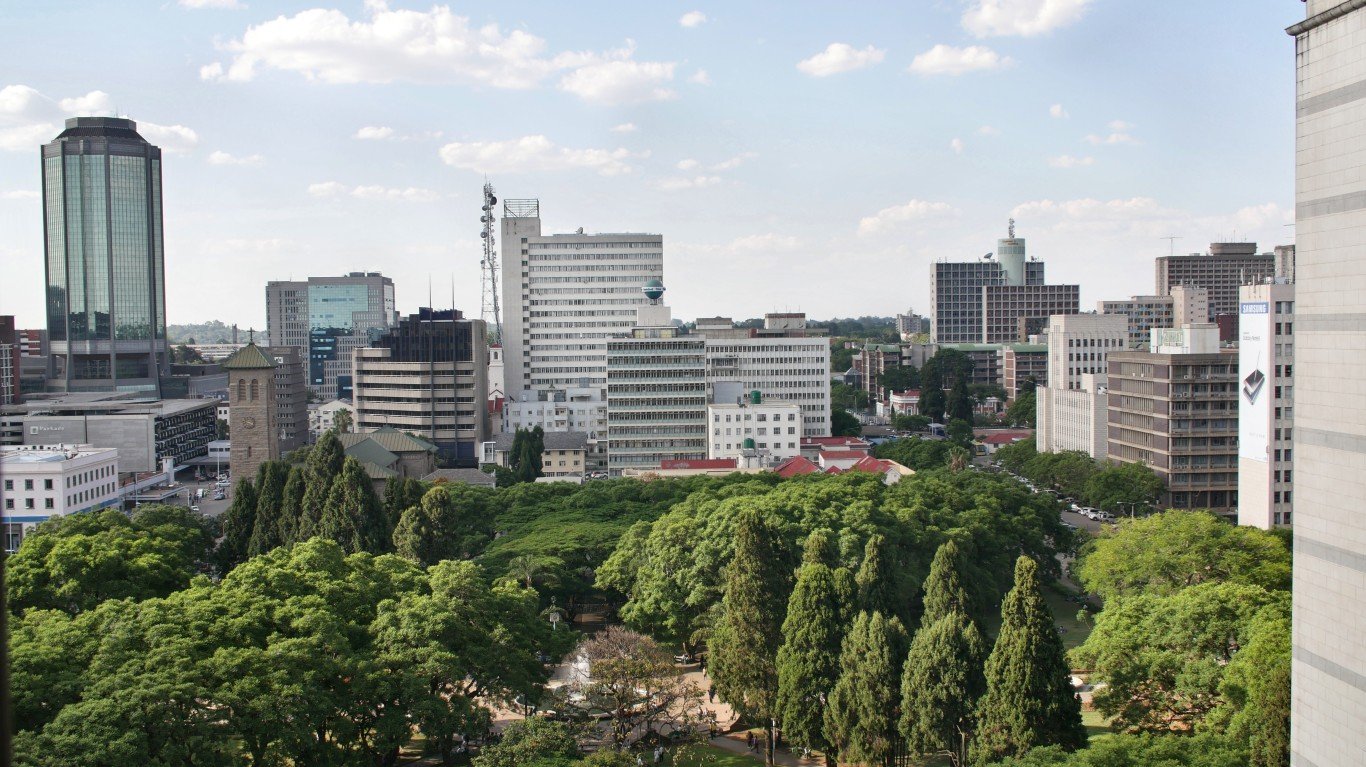
- Region: sub-Saharan Africa
- Rank: 158/180
- Corruption Perception Index: 21 out of 100 (tied)
- Annual change in corruption: 3-point decline
18. Democratic Republic of the Congo
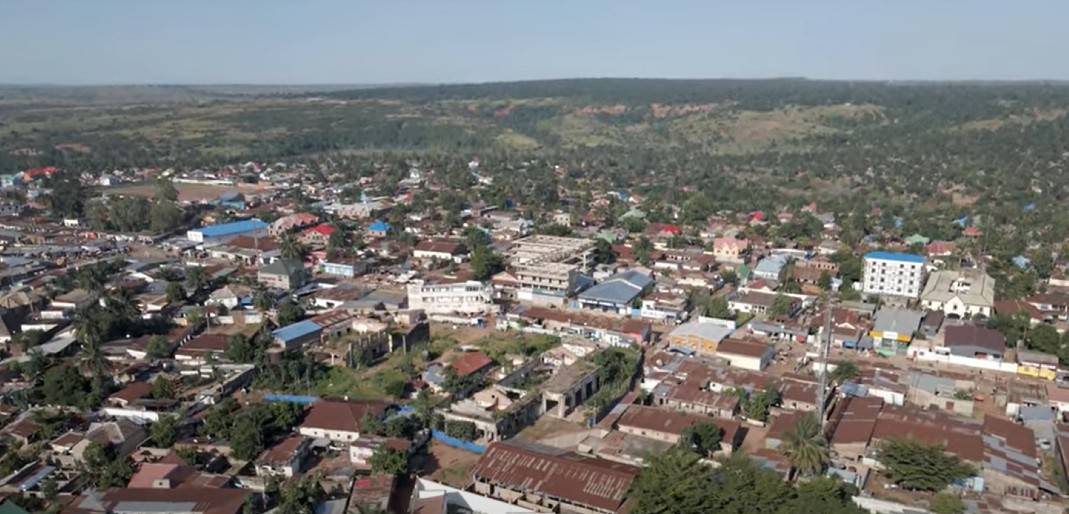
- Region: sub-Saharan Africa
- Rank: 163/180
- Corruption Perception Index: 20 out of 100
- Annual change in corruption: no change
17. Tajikistan
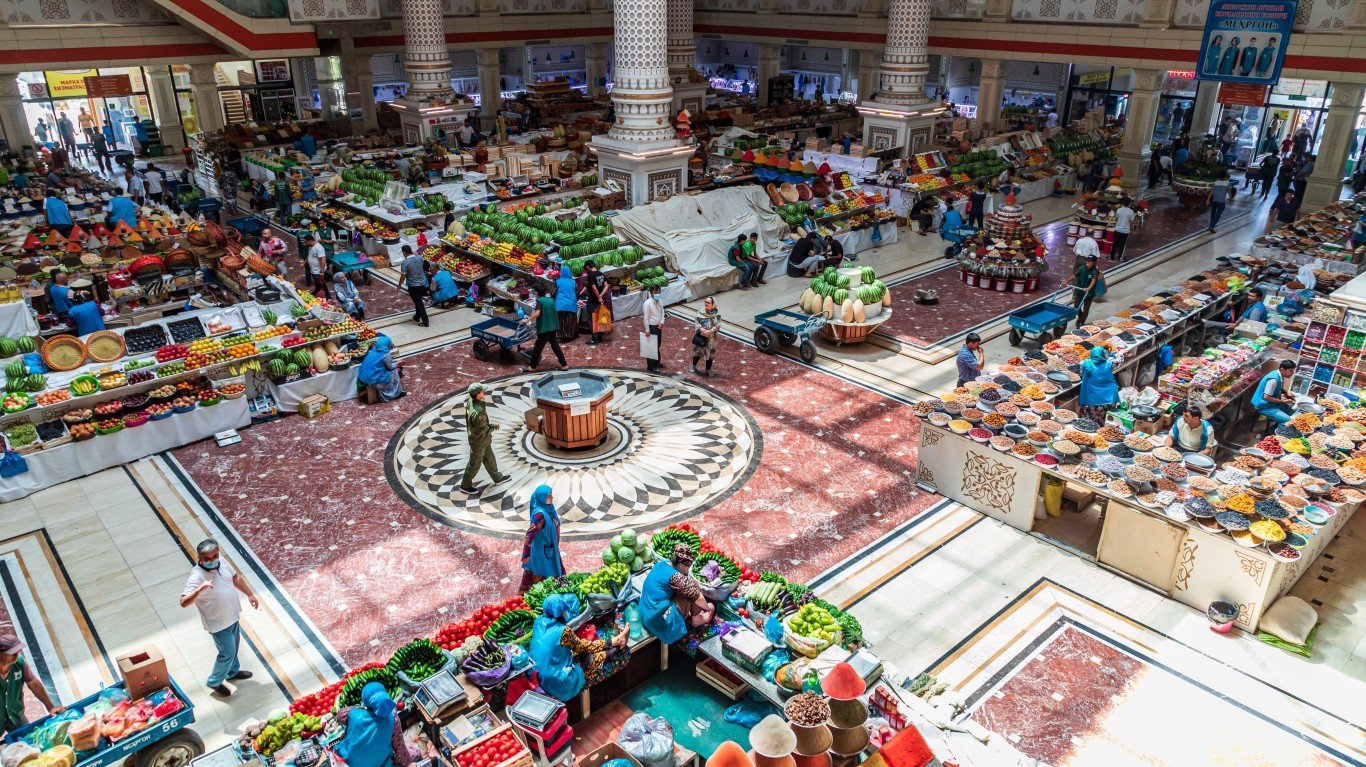
- Region: Eastern Europe & Central Asia
- Rank: 164/180
- Corruption Perception Index: 19 out of 100
- Annual change in corruption: 1-point decline
16. Afghanistan
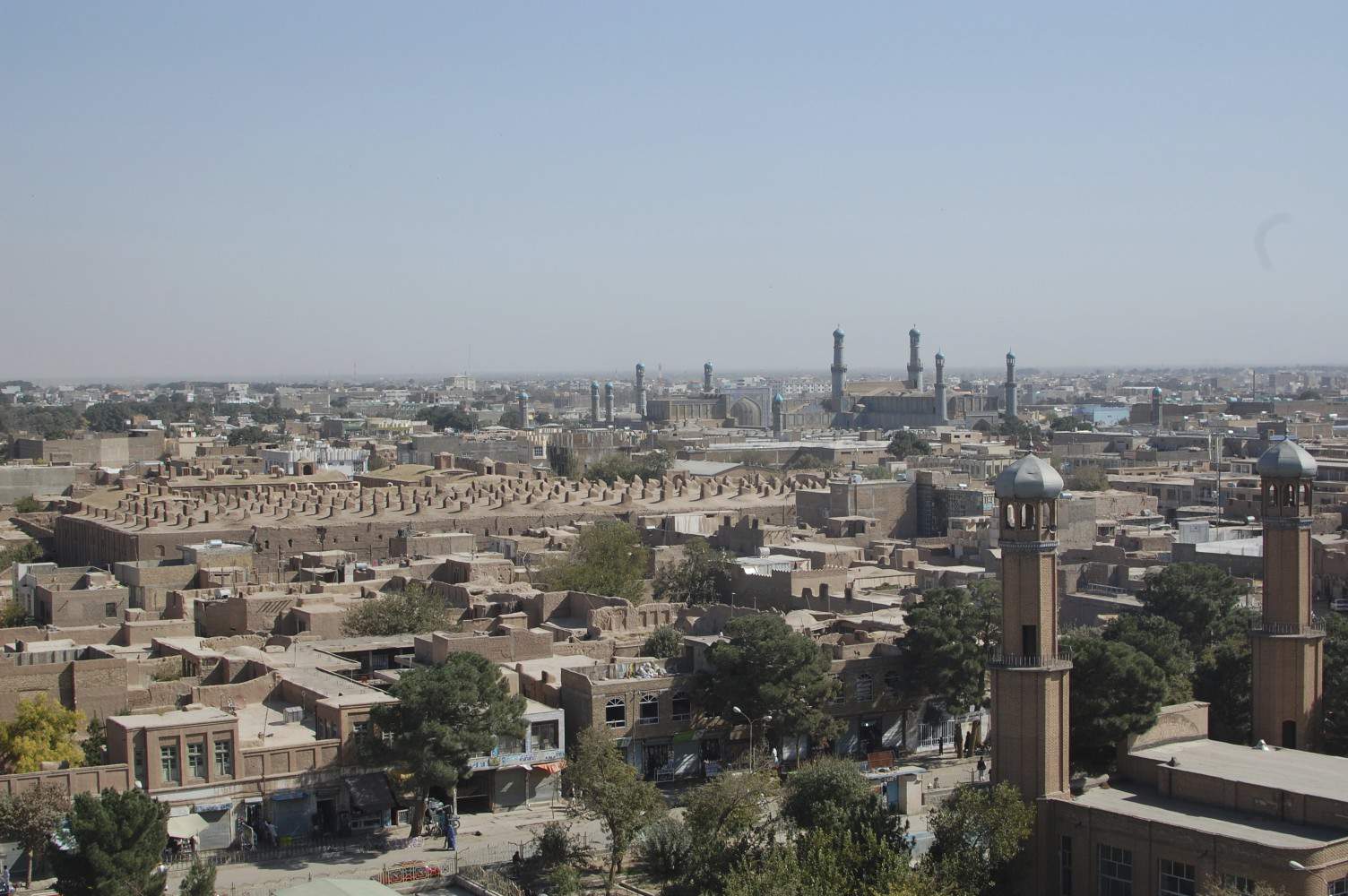
- Region: Asia Pacific
- Rank: 165/180
- Corruption Perception Index: 17 out of 100 (tied)
- Annual change in corruption: 3-point decline
15. Burundi
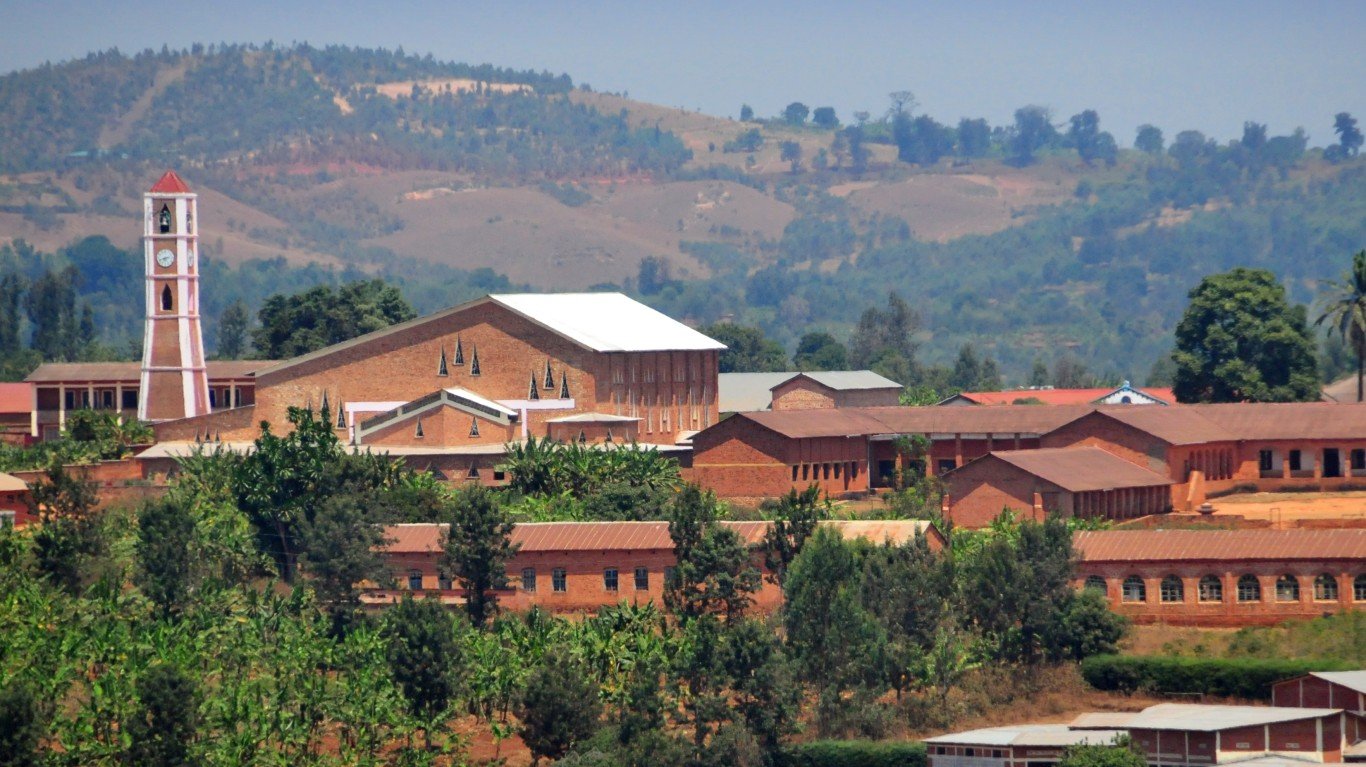
- Region: sub-Saharan Africa
- Rank: 165/180
- Corruption Perception Index: 17 out of 100 (tied)
- Annual change in corruption: 3-point decline
14. Turkmenistan
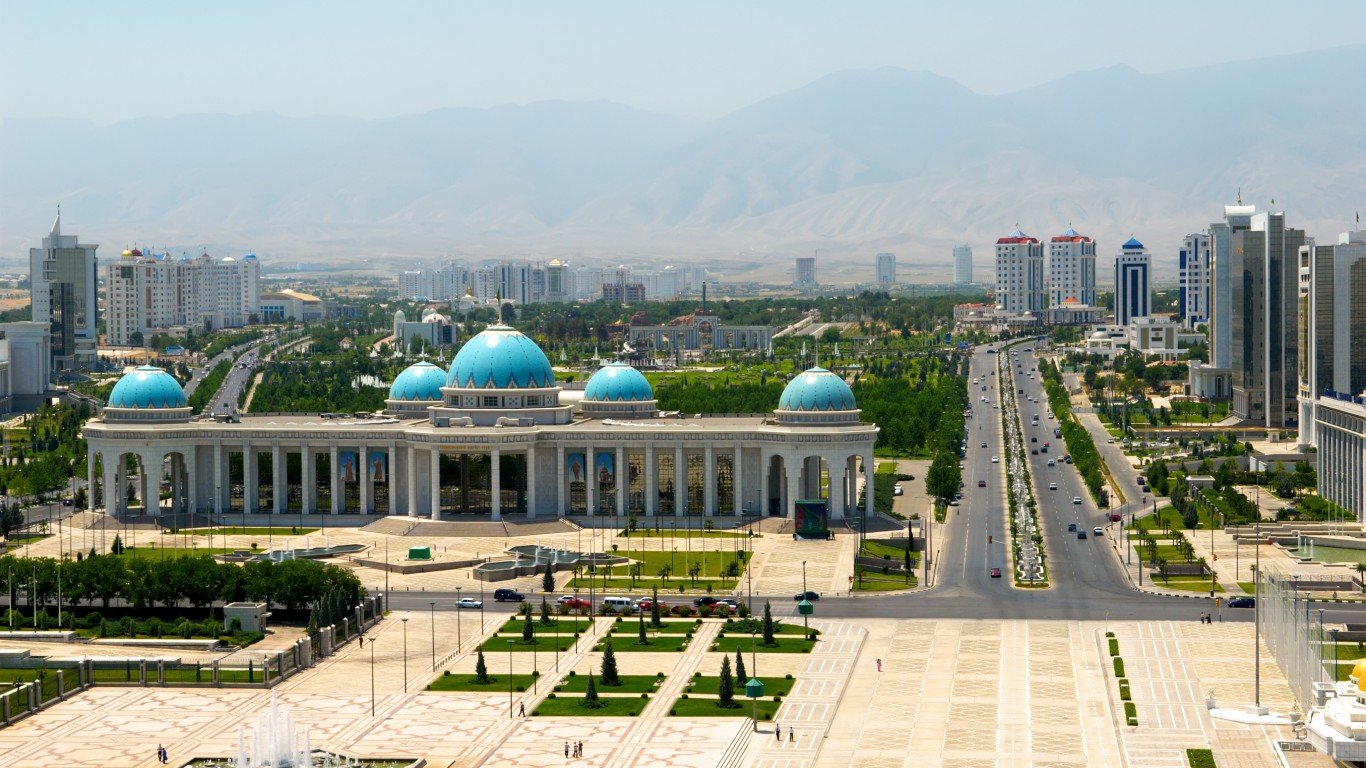
- Region: Eastern Europe & Central Asia
- Rank: 165/180
- Corruption Perception Index: 17 out of 100 (tied)
- Annual change in corruption: 1-point decline
13. Haiti
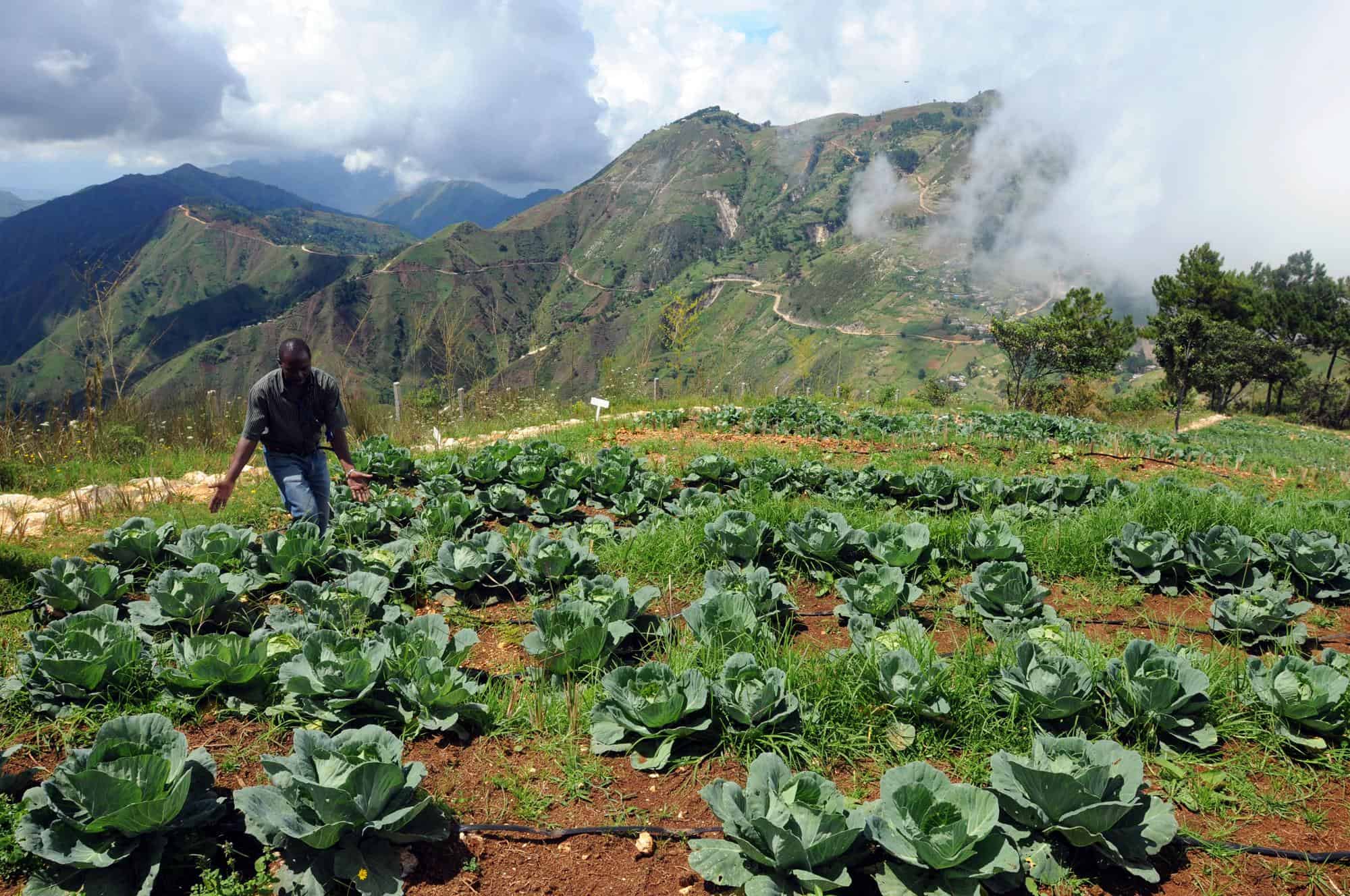
- Region: Americas
- Rank: 168/180
- Corruption Perception Index: 16 out of 100
- Annual change in corruption: 1 point decline
12. Myanmar
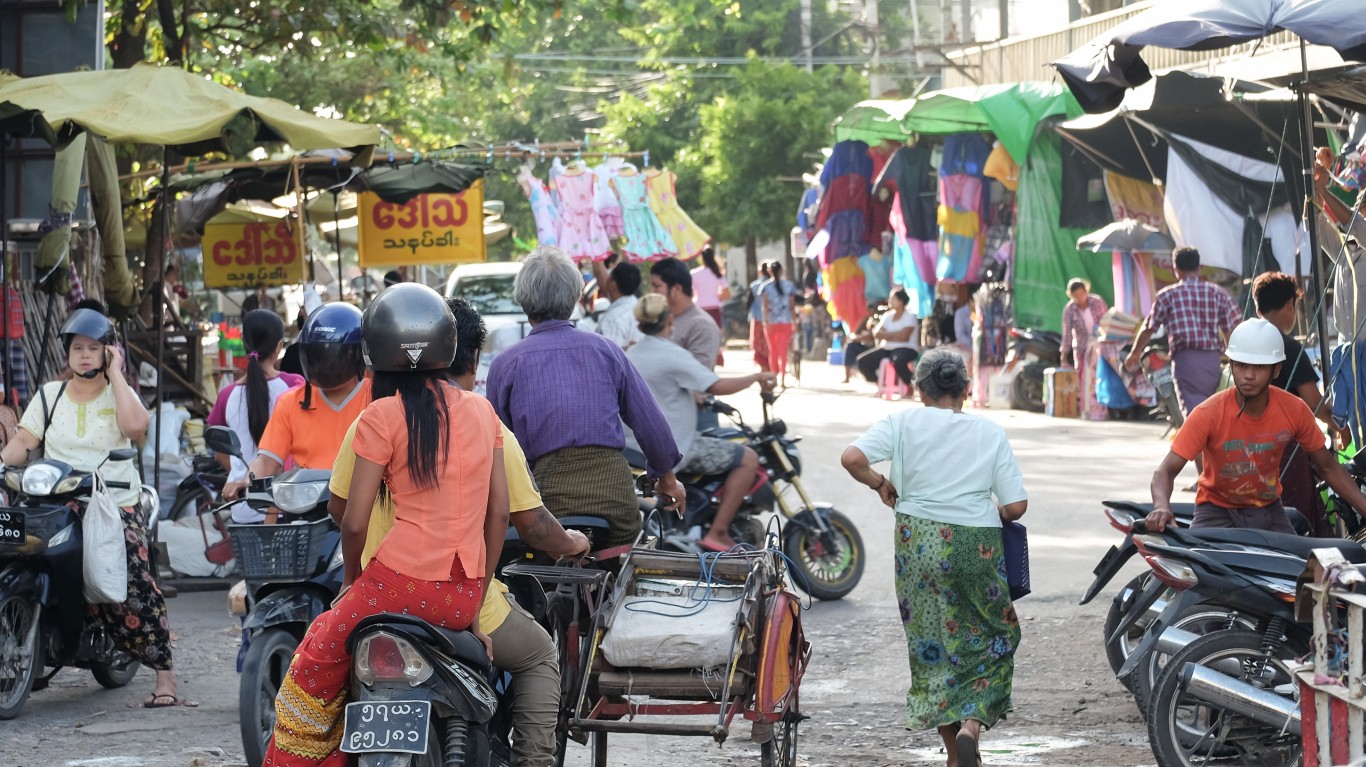
- Region: Asia Pacific
- Rank: 169/180
- Corruption Perception Index: 16 out of 100
- Annual change in corruption: 4-point decline
11. North Korea
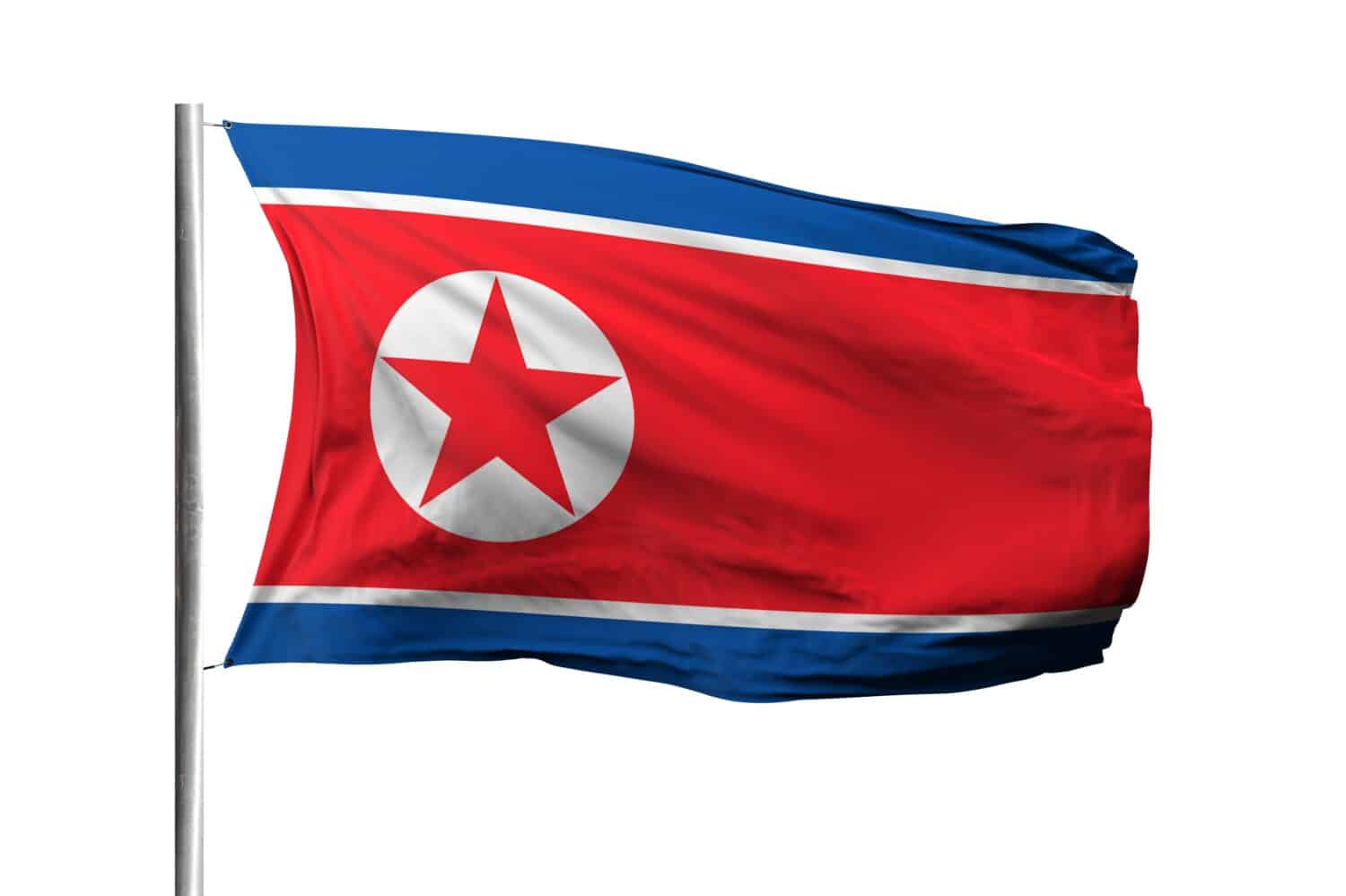
- Region: Asia Pacific
- Rank: 170/180
- Corruption Perception Index: 15 out of 100 (tied)
- Annual change in corruption: 2-point decline
10. Sudan
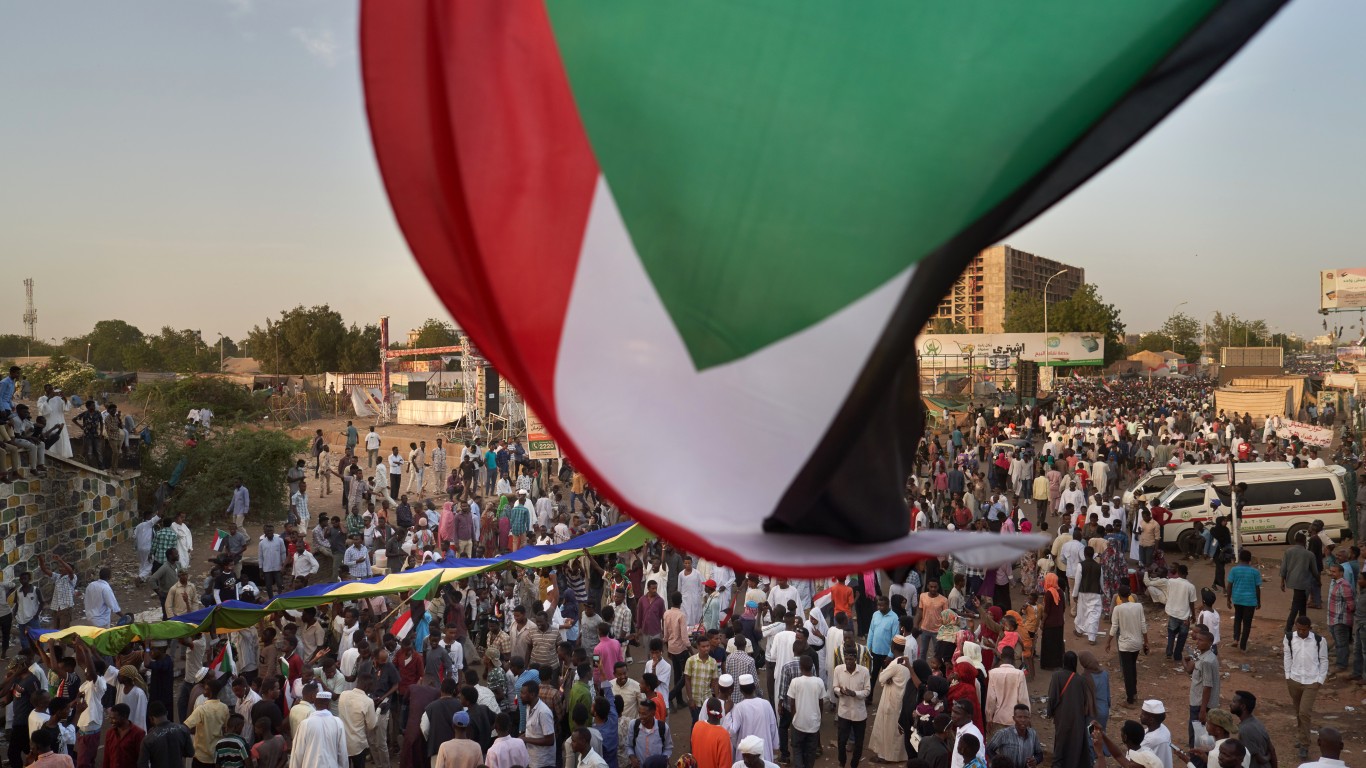
- Region: sub-Saharan Africa
- Rank: 170/180
- Corruption Perception Index: 15 out of 100 (tied)
- Annual change in corruption: 5-point decline
9. Nicaragua
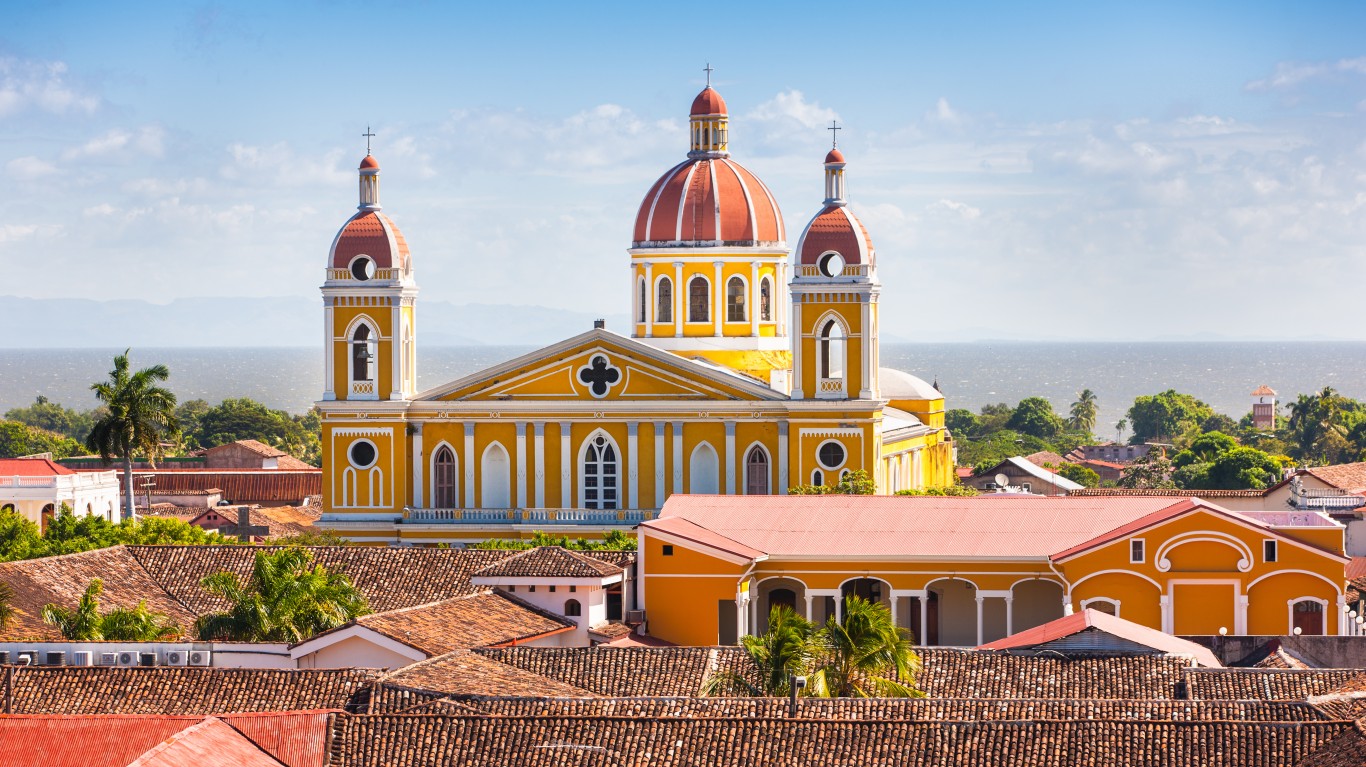
- Region: Americas
- Rank: 172/180
- Corruption perception index: 14 out of 100
- Annual change in corruption: 3-point decline
8. Equatorial Guinea

- Region: sub-Saharan Africa
- Rank: 173/180
- Corruption Perception Index: 13 out of 100 (tied)
- Annual change in corruption: 4-point decline
7. Eritrea

- Region: sub-Saharan Africa
- Rank: 173/100
- Corruption Perception Index: 13 out of 100 (tied)
- Annual change in corruption: 8-point decline
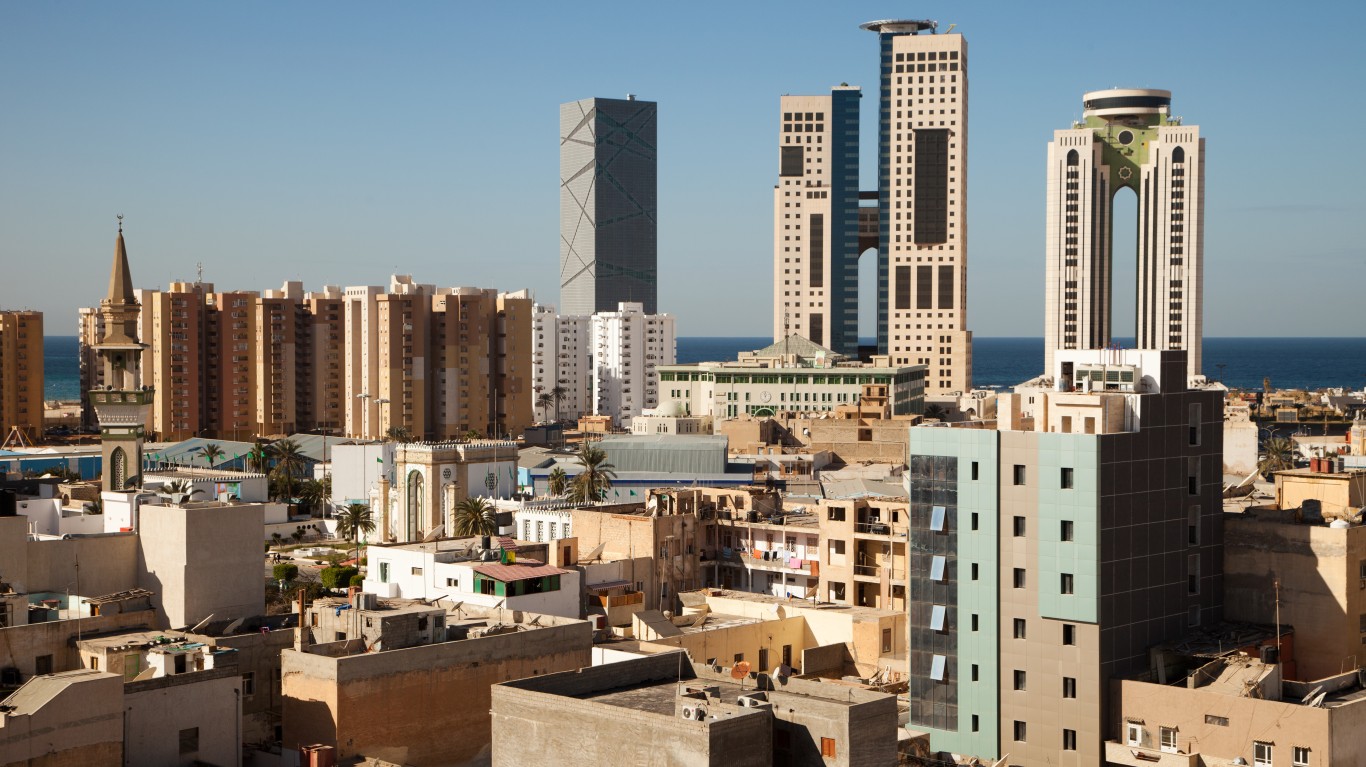
6. Libya

- Region: Middle East & North Africa
- Rank: 173/100
- Corruption Perception Index: 13 out of 100 (tied)
- Annual change in corruption: 5-point decline
5. Yemen
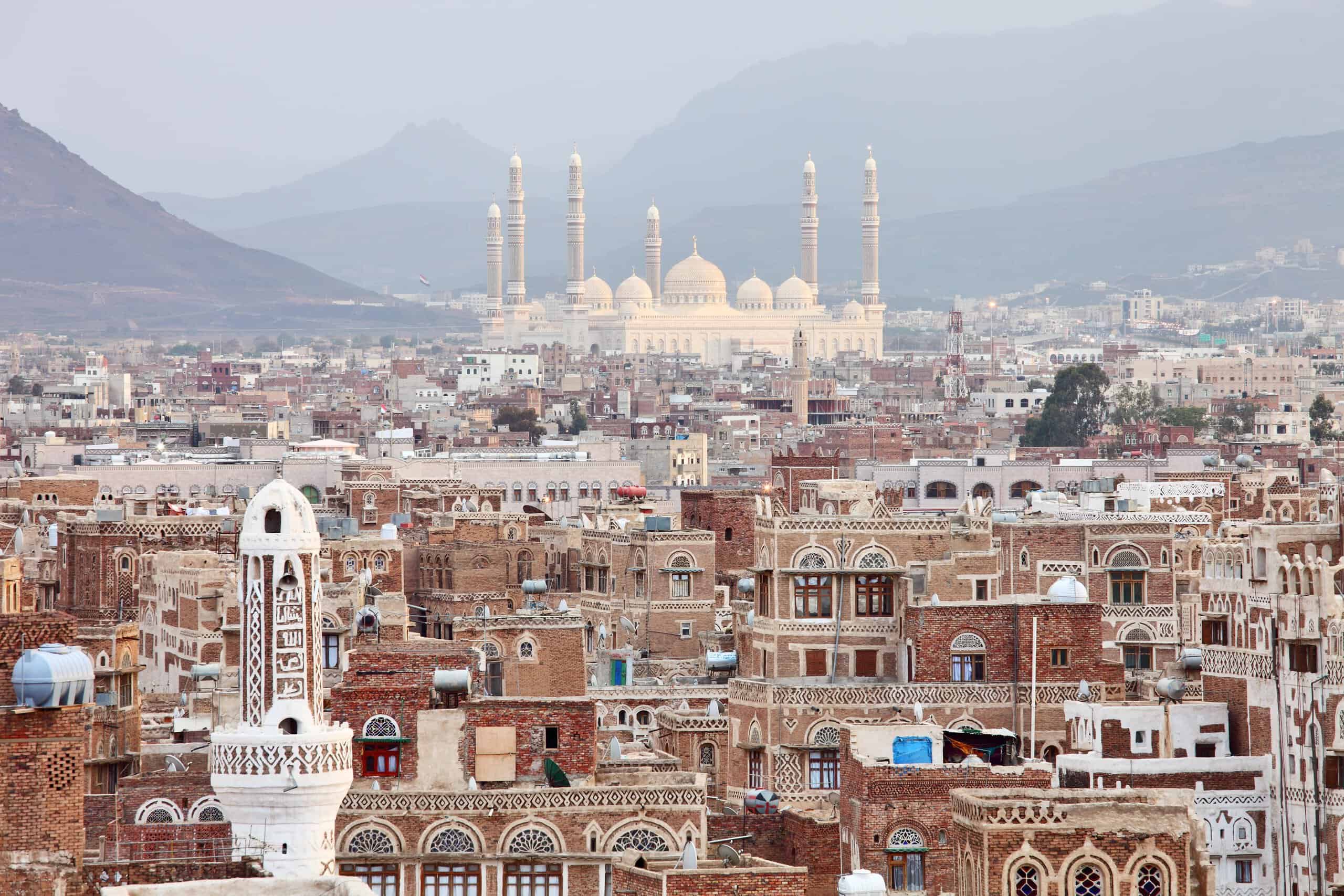
- Region: Middle East & North Africa
- Rank: 173/180
- Corruption Perception Index: 13 out of 100 (tied)
- Annual change in corruption: 3-point decline
4. Syria

- Region: Middle East & North Africa
- Rank: 177/180
- Corruption Perception Index: 12 out of 100
- Annual change in corruption: 1 point decline
3. Venezuela

- Region: Americas
- Rank: 178/180
- Corruption Perception Index: 10 out of 100
- Annual change in corruption: 3-point decline
2. Somalia
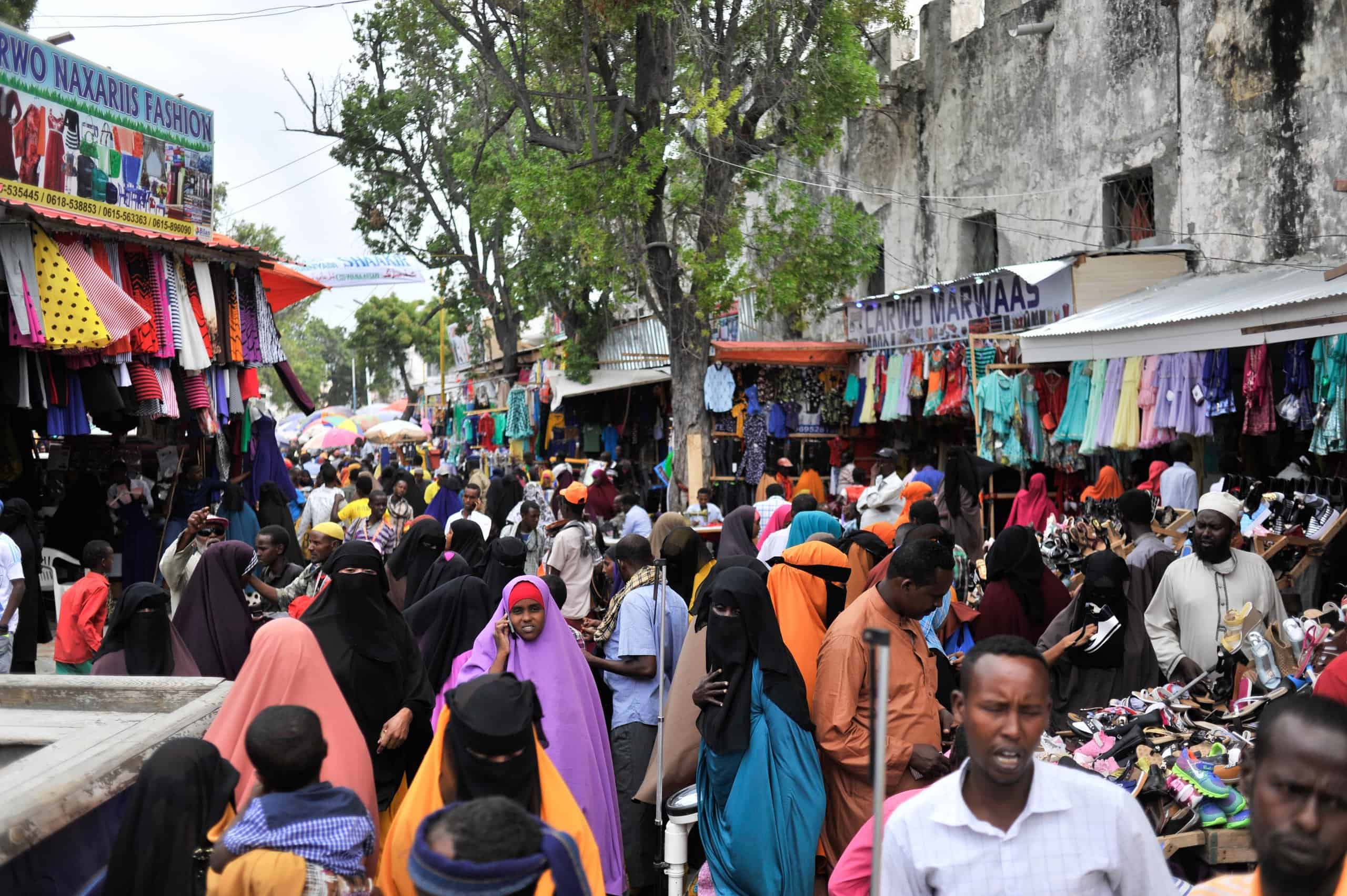
- Region: sub-Saharan Africa
- Rank: 179/180
- Corruption Perception Index: 9 out of 100
- Annual change in corruption: 2-point decline
1. South Sudan
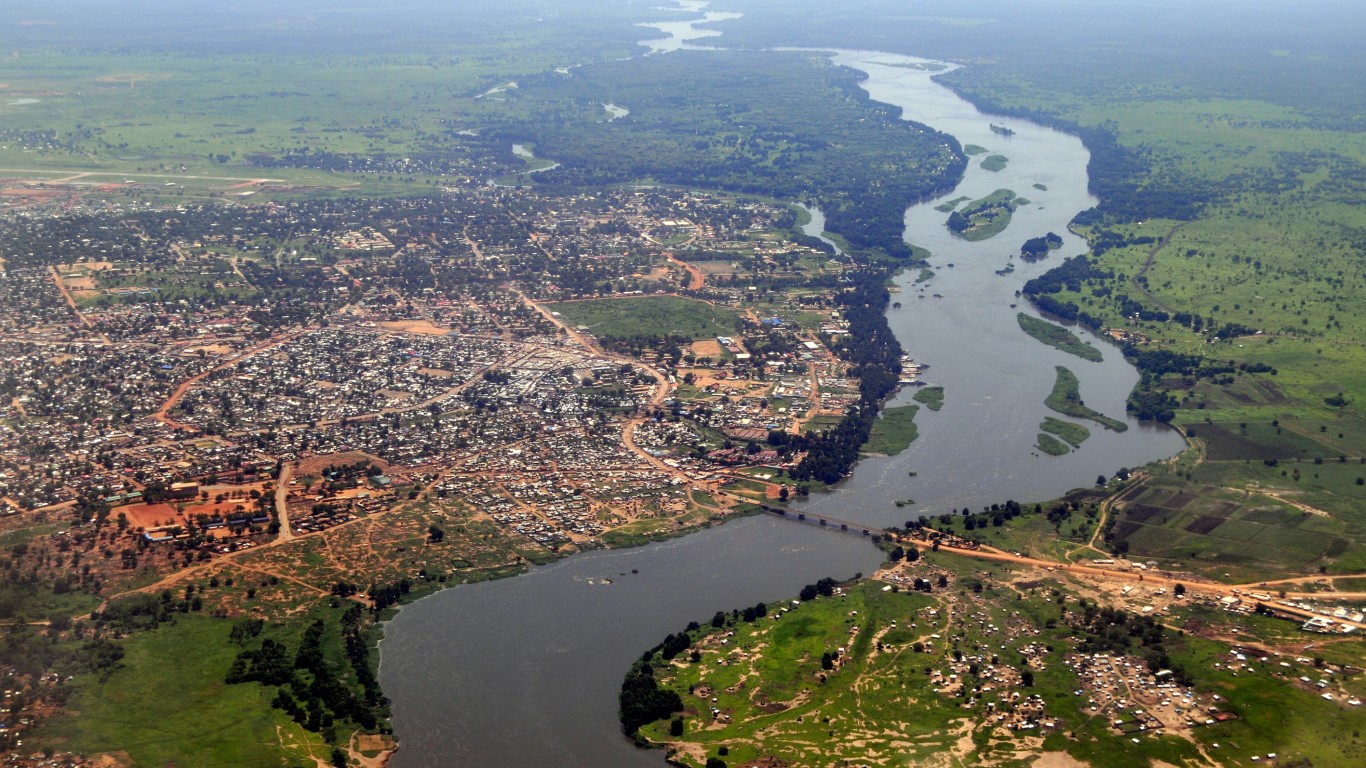
- Region: sub-Saharan Africa
- Rank: 180/180
- Corruption Perception Index: 8 out of 100
- Annual change in corruption: 5-point decline
Contact [email protected] for any questions or corrections.