The Real Message In The Beige Book
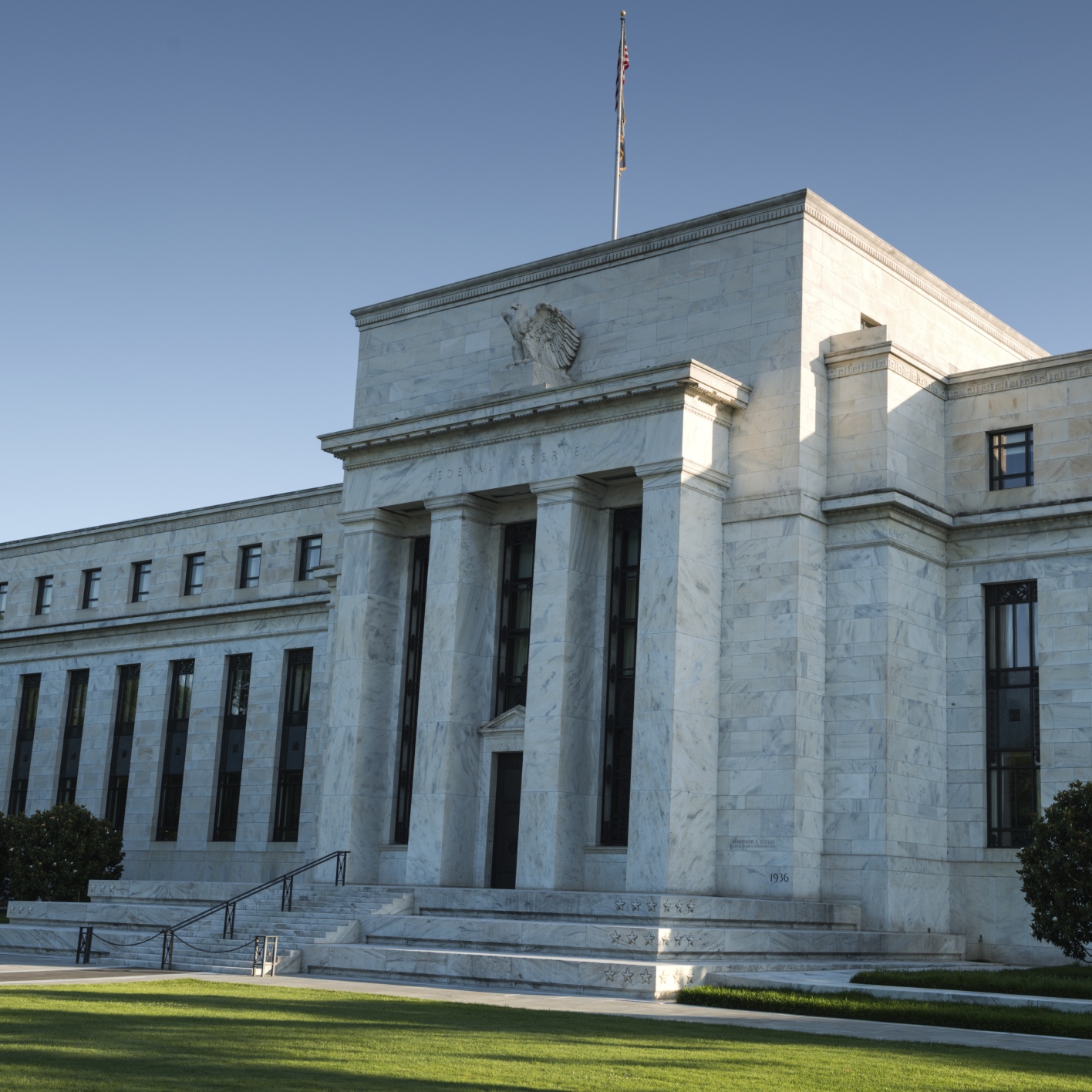
The Fed’s Beige Book, which looks at economic activity in the central bank’s regions, did not have much to add to the country’s hope for a recovery. It did not have much to despair about it either, and that is…


“Both Kansas City and San Francisco noted that their economies expanded further,” The Fed says. “Chicago reported that although there was an increase in activity, it was at a pace not quite as strong as during the previous reporting period.” Mixed signals but not definitive ones.
There was not much good news about real estate. Load demand did not pick up in a meaningful way. Manufacturing rebounded. Hiring did not, and many companies continued their appetites for temporary workers. These are people who usually get no benefits may only be on the job for a few weeks. It calls to mind the 60,000 workers Home Depot has begun to add. Most of those people will be gone after the sales season for home rebuilding. If a new slowdown sets in, many could be gone sooner than that.
The data which shows manufacturing growth as the solid bright spot in the economy is hardly good news at all. The idea that the recovery can improve forever with low consumer spending and strong factory activity is a myth. Demand will eventually catch up to output. The collision will be ugly. The manufacturing sector may be the only one adding jobs.
The other Achilles Heel of manufacturing is the rising cost of goods to be sold. Inflation at the commodities level is rising faster than many economists had forecast. Those costs cannot be passed on to troubled consumers. Margins at manufacturing companies will flatten out, or worse, begin to drop.
The markets reacted very little to the Beige Book observation. Investors may wish that they had taken its signals more seriously.
Douglas A. McIntyre
Contact [email protected] for any questions or corrections.
Douglas A. McIntyre is the co-founder, chief executive officer and editor in chief of 24/7 Wall St. and 24/7 Tempo. He has held these jobs since 2006.
McIntyre has written thousands of articles for 24/7 Wall St. He is an expert on corporate finance, the automotive industry, media companies and international finance. He has edited articles on national demographics, sports, personal income and travel.
His work has been quoted or mentioned in The New York Times, The Wall Street Journal, Los Angeles Times, The Washington Post, NBC News, Time, The New Yorker, HuffPost USA Today, Business Insider, Yahoo, AOL, MarketWatch, The Atlantic, Bloomberg, New York Post, Chicago Tribune, Forbes, The Guardian and many other major publications. McIntyre has been a guest on CNBC, the BBC and television and radio stations across the country.
A magna cum laude graduate of Harvard College, McIntyre also was president of The Harvard Advocate. Founded in 1866, the Advocate is the oldest college publication in the United States.
TheStreet.com, Comps.com and Edgar Online are some of the public companies for which McIntyre served on the board of directors. He was a Vicinity Corporation board member when the company was sold to Microsoft in 2002. He served on the audit committees of some of these companies.
McIntyre has been the CEO of FutureSource, a provider of trading terminals and news to commodities and futures traders. He was president of Switchboard, the online phone directory company. He served as chairman and CEO of On2 Technologies, the video compression company that provided video compression software for Adobe’s Flash. Google bought On2 in 2009.