Why China’s President Just Got a 62% Pay Hike
All of China’s civil servants got a raise, and the lowest paid officials saw their pay more than double.

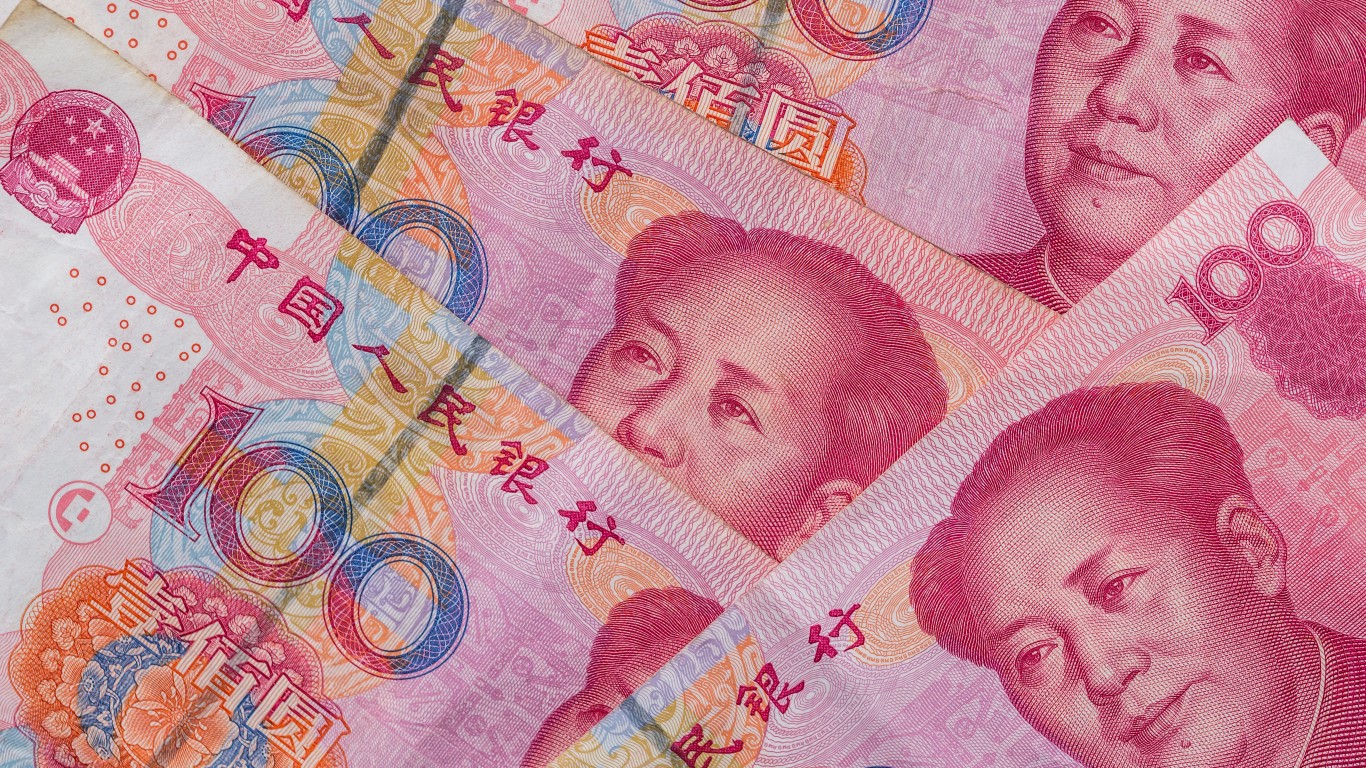
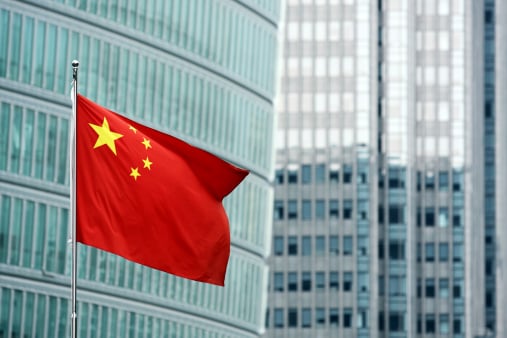 Chinese President Xi Jinping just got a salary increase from 7,020 yuan per month (about $1,130) to 11,385 yuan (a little less than $1,850 a month). We would advise Xi not to spend it all in one place.
The leader of the free world, U.S. President Barack Obama, earns $400,000 a year, and Robert Iger, CEO of Walt Disney Co. (NYSE: DIS) was paid nearly $47 million. To paraphrase Babe Ruth when asked if he thought it proper for him to earn more than President Herbert Hoover: Iger must have had a better year than Xi.
China’s president was not the only government official to get a raise. All of China’s civil servants got a raise, and the lowest paid officials saw their pay more than double to 1,320 yuan (about $212 a month).
There are some perks involved with most government jobs, so it is not quite as bad as it sounds. According to a report in Singapore’s Straits Times:
Civil service work in China has long offered both prestige and official perks, as well as opportunities to accrue extra wealth through the receipt of bribes and other forms of corruption.
Eliminating bribes and corruption are one of President Xi’s top priorities. Since ascending to office in 2012, he has led the charge against corruption and bribery in the civil service, and last year tried the opposite tack: the government cut salaries and perks of top officials of state-owned enterprises by 30%.
ALSO READ: The Most Corrupt Countries in the World
Cutting salaries can be counterproductive, though. A Chinese economist told The New York Times:
In the past, with corruption, you could pay an official and get something done. Now the officials won’t accept money, but don’t approve things, either.
According to a recent New Yorker article:
Some observers contend that China’s economic boom would not have been possible if the leadership hadn’t tolerated a symbiotic and often corrupt relationship between government and business interests. Beijing has now instituted an anti-corruption campaign that some worry may slow productivity.
Xi appears to understand that corruption breeds a serious threat to national security. There are many more Chinese who do not have the opportunity to be bribed, and at some point they could threaten the social order and the ruling party. That is definitely not in Xi’s or China’s best interests.
ALSO READ: US, China Are Top Markets for Mercedes-Benz
Contact [email protected] for any questions or corrections.
Paul Ausick has been writing for 247Wallst.com for more than a decade. He has written extensively on investing in the energy, defense, and technology sectors. In a previous life, he wrote technical documentation and managed a marketing communications group in Silicon Valley.
He has a bachelor's degree in English from the University of Chicago and now lives in Montana, where he fishes for trout in the summer and stays inside during the winter.