IMF Chief Says Coronavirus Pandemic to Cause Worst Recession Since 1929
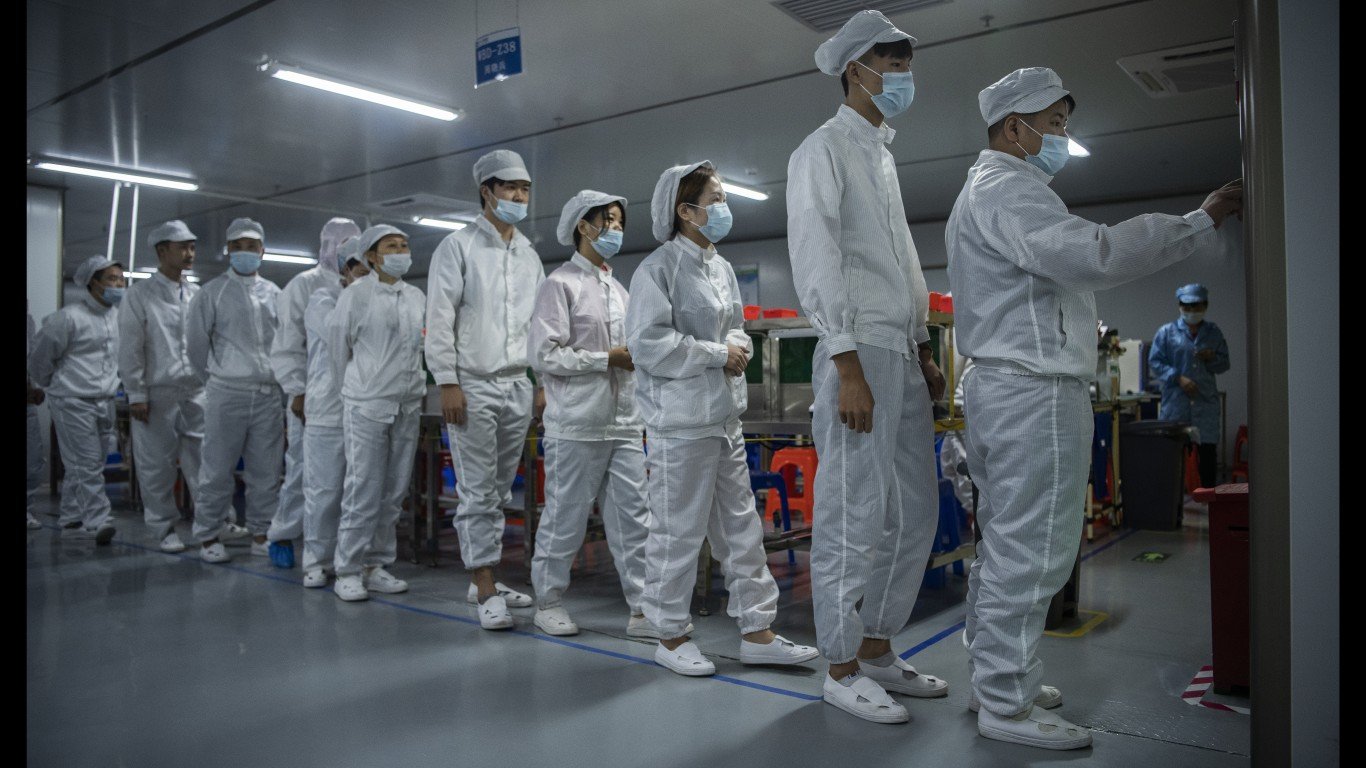
IMF managing director Kristalina Georgieva said Thursday that the developed nations of the world need to step up to help emerging and developing economies survive and recover from the coronavirus pandemic.

In advance of next week’s spring meeting (virtual) of the International Monetary Fund (IMF) members, managing director Kristalina Georgieva said in a speech Friday that it is clear that global growth will turn “sharply negative” in 2020, leading to “the worst economic fallout since the Great Depression.”
Three months ago, the IMF expected per capita income growth in 160 of the group’s 189 member countries. The new estimate has reversed that estimate by 180 degrees. The IMF now expects 170 countries to show negative per capita growth this year, and it will release more details next week in a revised version of its World Economic Outlook.
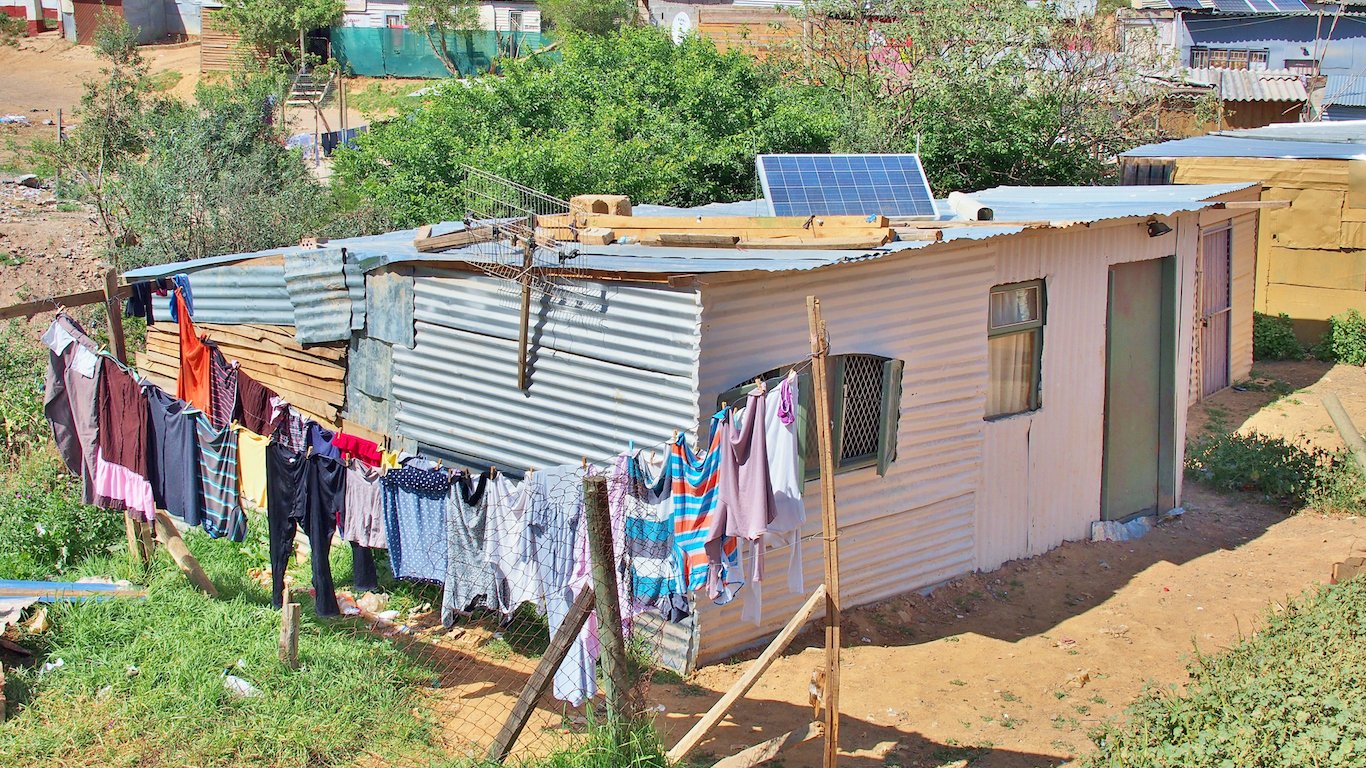
The economic crisis caused by COVID-19 is expected to hit the poorest and most vulnerable countries the hardest, Georgieva said. In these countries, health care systems are weaker and fewer resources are available to meet ongoing demand and supply shocks. The result is tightening financial conditions and potential debt burdens that may well be unsustainable.
The IMF estimates that external financing needs for emerging markets and developing countries will be “in the trillions of dollars.” Because these countries have no chance of covering all their expenses, there will be a residual gap in “the hundreds of billions of dollars” that needs to be met by the IMF and the developed world.
The IMF has $1 trillion in lending capacity and already is responding to requests for help from 90 countries, and lending programs have been approved for some countries “with many more to come.” The IMF also is calling for a standstill on debt service for bilateral creditors for the world’s poorest nations.
Georgieva outlined four IMF priorities to build a “bridge to recovery.” First, continue current containment measures (social distancing and stay-home programs) and existing support for health care systems. Second, provide large targeted injections of cash to people and financial sector firms. Third, reduce stress on the financial system, and, fourth, plan for recovery.
The full text of Georgieva’s speech is available at the IMF website.
Contact [email protected] for any questions or corrections.
Paul Ausick has been writing for 247Wallst.com for more than a decade. He has written extensively on investing in the energy, defense, and technology sectors. In a previous life, he wrote technical documentation and managed a marketing communications group in Silicon Valley.
He has a bachelor's degree in English from the University of Chicago and now lives in Montana, where he fishes for trout in the summer and stays inside during the winter.