IHS Markit released its U.S. Manufacturing PMI for July, and the Institute for Supply Management (ISM) released its manufacturing survey via its own manufacturing PMI reading.
Compensation for all U.S. civilian workers rose by 2.8% in the 12 months from June 2017 to June 2018. This is the largest increase since the third quarter of 2008.
The Conference Board has released its July reading of consumer confidence, showing a gain after a modest decline in June. Consumer confidence rose slightly to 127.4 in July from 127.1 in June. This was…
If you are planning a family vacation and are paying, say, about $750 per plane ticket for a family of four, is it smart to pay a small percentage of the total cost to…
The final July reading from the University of Michigan's consumer sentiment survey is down slightly from the June reading, but over the past 12 months, sentiment remains strong.
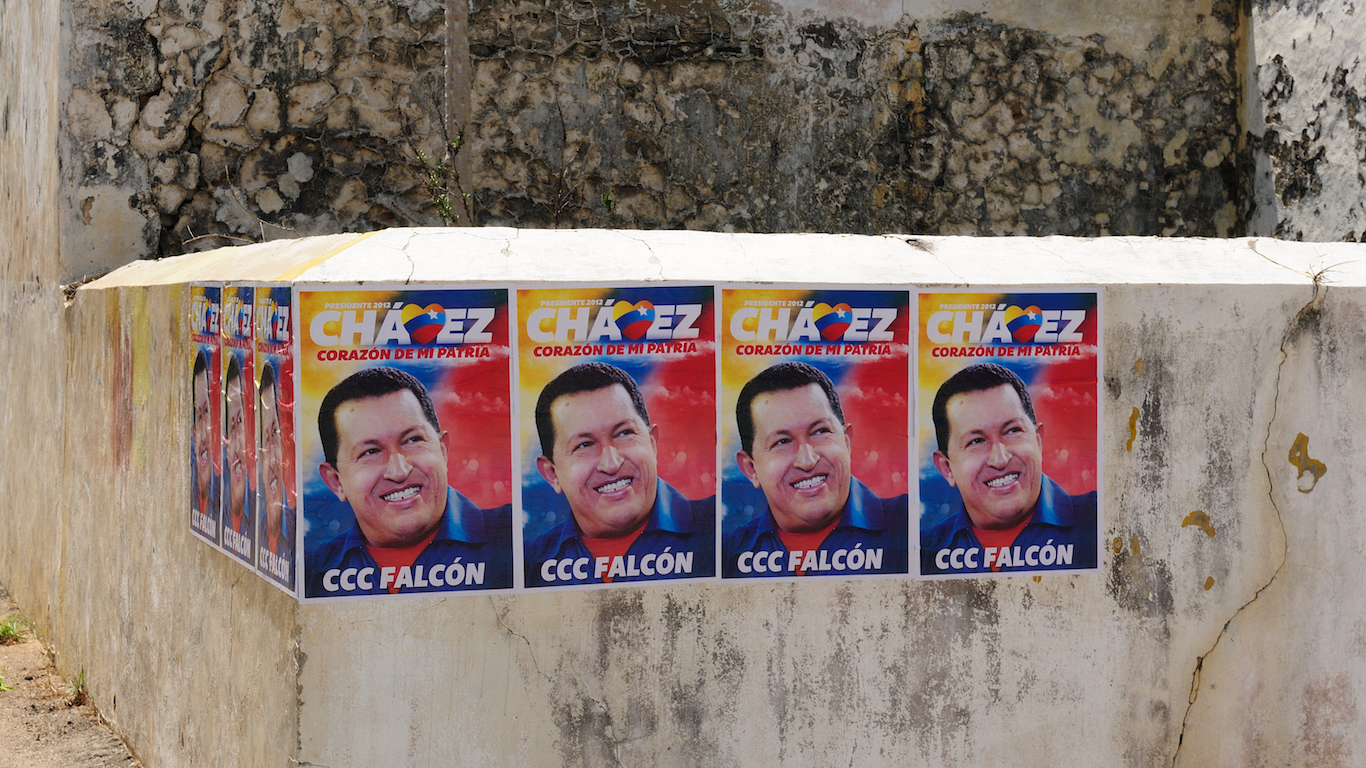
Venezuelan President Nicolas Maduro on Wednesday said that a new currency will next month replace the wildly inflated bolívar. But what does that mean?
Venezuela's inflation is pegged to hit 1,000,000% this year according to the IMF. That's in the same league as German inflation in the 1920s and Zimbabwean inflation in the first decade of this century.
A paper by Michael Pagano and Christopher Hoene for the Brookings Institution reviews the effects on city budgets affected by cuts in the federal budget and how cities might cope with those effects.
Brookings Institution Fellow Eswar Prasad testified last week on digital currencies and central banks before a U.S. House subcommittee on monetary policy and trade.
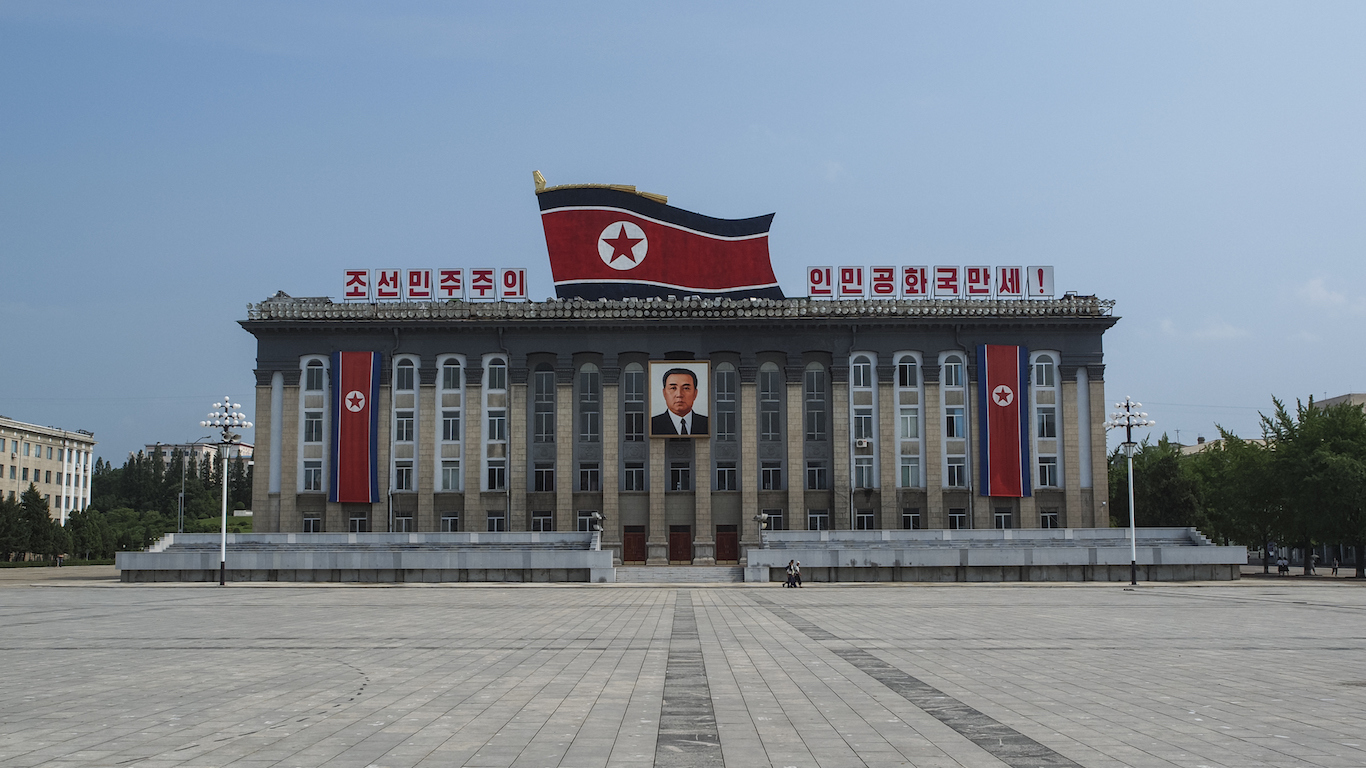
North Korea's GDP dropped the most last year that it has since 1997. This trouble poses a challenge to dictator Kim Jong-un, who oversees a nation in which millions of people live in poverty.