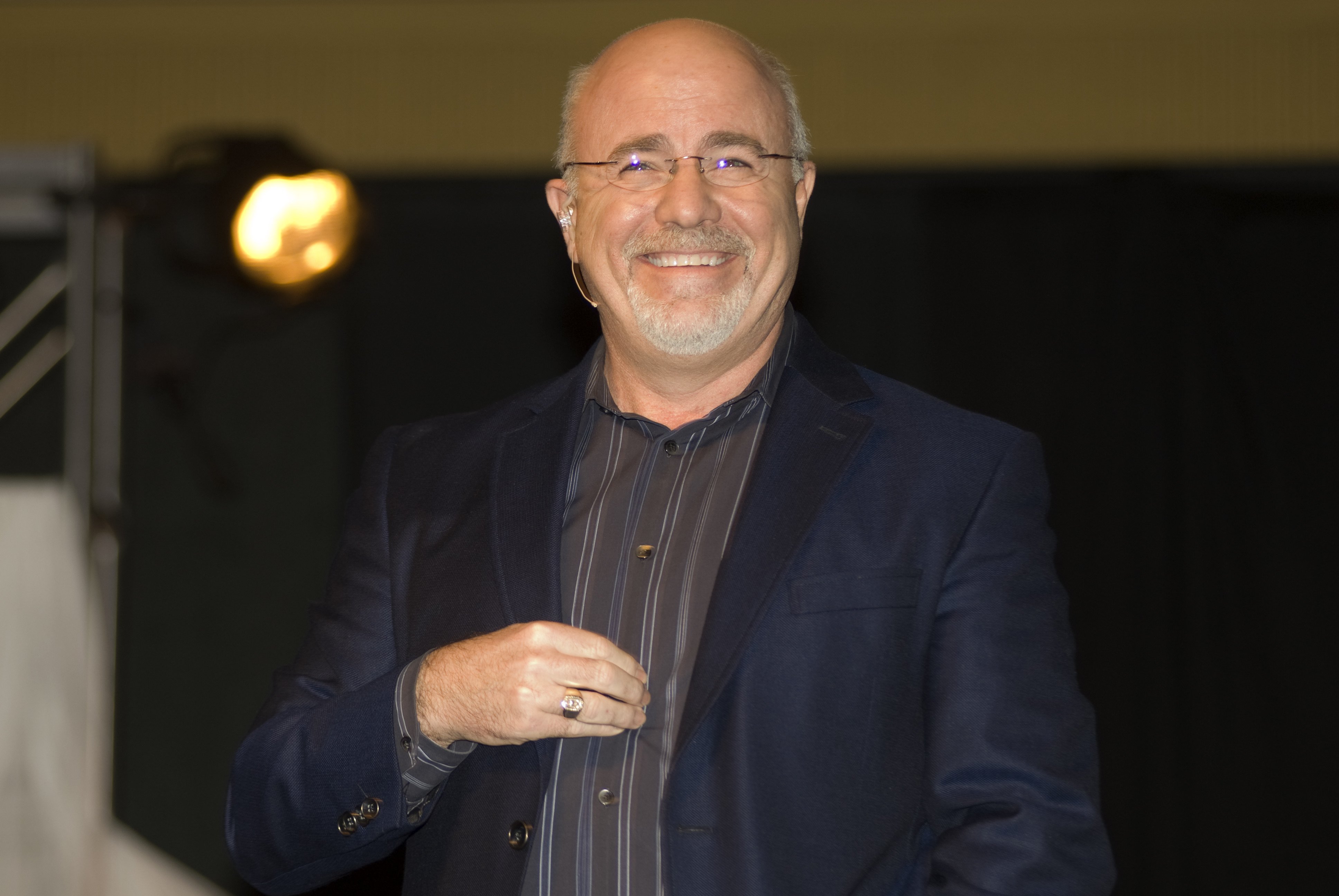
‘Sugar Daddies Are Us’: Ramsey to 50-Year-Old With $600K Begging for a Dating App
A 50-year-old with $600,000 in retirement savings asked Dave Ramsey to build him a dating app, and Ramsey refused. The real drama sits in a quieter question about his house and the 50% of his paycheck he keeps locking away.

This post may contain links from our sponsors and affiliates, and Flywheel Publishing may receive compensation for actions taken through them.

Drew is 50 and single. He lives in Auburn, Alabama, and has around $600,000 in his IRA and 401(k). He called The Ramsey Show with an unusual request: “Can you start a dating website? I’ve met so many women that just are not on the same level financially that I am.” He said he has been called a gold digger more times than he can count and is “looking for a financially stable woman.”
Dave Ramsey turned him down on the spot: “We’re not doing an app. Promise you.” Then came the punchline: “Sugar daddies are us. That would be the name of the app.” Co-host George Kamel offered something else instead: a singles event on the Ramsey Cruise. The show has advertised that cruise for March 14 through 21st, 2027.
Saying no to an app was the smart business move. Bumble (NASDAQ:BMBL) agreed to be taken private by Ithaca Holdings for $1.3 billion. That price is 91% below its $14 billion peak.
The deal came after seven consecutive quarters of paying-user declines. In its latest quarter, Bumble’s paying users fell 16% to 3.2 million. People clearly want a financially compatible match. Getting them to pay for it every month is a shrinking business.
Housing Advice Hidden Behind the Punchline
Drew’s housing question carried the real financial stakes. Drew moved from Detroit for work, and his income fell from “around 125 to 150” to “somewhere in the mid-70s.” He has $40,000 in savings and a house he paid cash for, worth about $150,000.
He wants to move up to a $250,000 to $300,000 house. Meanwhile, he has been putting 50% of his paycheck into retirement. Ramsey told him to drop that to 15% until he buys the new house and pays it off.
Ramsey is right, and it isn’t close. At 50, the $600,000 Drew already has does most of the work.
Say a 7% annual return as an example. With no new money at all, that balance grows to about $1.7 million by age 65.
At 15% of a $75,000 salary, he would put in about $11,250 a year.
Those contributions add roughly $283,000 over 15 years, for a total near $1.9 million. His retirement is secure at either contribution rate.
The 50% rate also runs into the tax limits. Half of a $75,000 paycheck is $37,500 a year.
For workers 50 and older, the 2026 401(k) maximum is $32,500.
That’s the $24,500 standard cap plus an $8,000 catch-up. Money above the cap goes into accounts with lower tax breaks. Every dollar of it is money that can’t go toward the house.
Your Equity Gap Sets the Timeline
Your timeline depends mostly on one number: how far the house you want costs above what you already have. If Drew sells his current house and adds his cash, he has about $190,000. Cutting his contributions from 50% to 15% frees up $26,250 a year before taxes.
- At $250,000, the extra cash covers the gap in a little over two years.
- At $300,000, that takes a little over four years.
Taxes will stretch both timelines. Either way, he owns the bigger house outright well before retirement, and his retirement accounts are still on pace for seven figures. If he keeps saving 50% and takes out a mortgage instead, he could still be making house payments in his late 60s.
Run These Numbers Before You Change Your Contribution Rate
- Project your balance with zero new contributions. Enter your current balance into the compound interest calculator at Investor.gov, using a 6% to 7% return through your retirement age. Once that figure reaches your goal, each extra contribution buys you less security than it seems.
- Check whether you’re near the cap. If you’re 50 or older, you can put up to $32,500 into a 401(k) in 2026. If you made more than $150,000 in 2025, your catch-up money has to go into a Roth, so your take-home pay will be lower.
- Measure your gap. Take your target home price and subtract your home equity and cash. Divide what’s left by the take-home pay you’d free up. That gives you the number of years until you can buy without a mortgage.
- Compare against the benchmark. Fidelity reports that the average 401(k) saver puts in 10% and gets 5% from their employer. Fidelity suggests a combined rate of 15%, which matches Ramsey’s number. Keep contributing enough to get your full employer match.
If your retirement savings can already grow into enough money with no help, the extra dollars do more for you when they buy your next home in cash.
Contact [email protected] for any questions or corrections.
Jake has been been working in financial media for almost 15 years. He focuses on all things personal finance for 24/7 Wall St. with high hopes to educate and entertain. Most recently, Jake spent 12 years working various roles at The Motley Fool. He started copy editing fool.com content, worked on premium and marketing campaigns, and helped launch The Ascent, a personal finance brand.
His work has been featured on platforms like MSN, Yahoo Finance, USA Today, and more. He's written about credit cards, social security, ETFs, savings accounts, and just about anything else you can imagine when thinking about money. Jake love to cook, play golf, and tell people he's never had a cavity. (It's true!)