Oil Markets to Remain Opaque
A group called the International Organization of Securities Commissions (IOSCO), composed of representatives from national financial regulators, had proposed changing the way commodities benchmarks, including the price of Brent crude oil, are compiled. Opposition from the International Energy Agency (IEA),…


IOSCO originally proposed that participants in the market for physical crude send all prices to price-reporting agencies (such as Platts) to enable the agencies to get a complete picture of the market. The group also proposed that only completed transactions be used to arrive at the benchmark price.
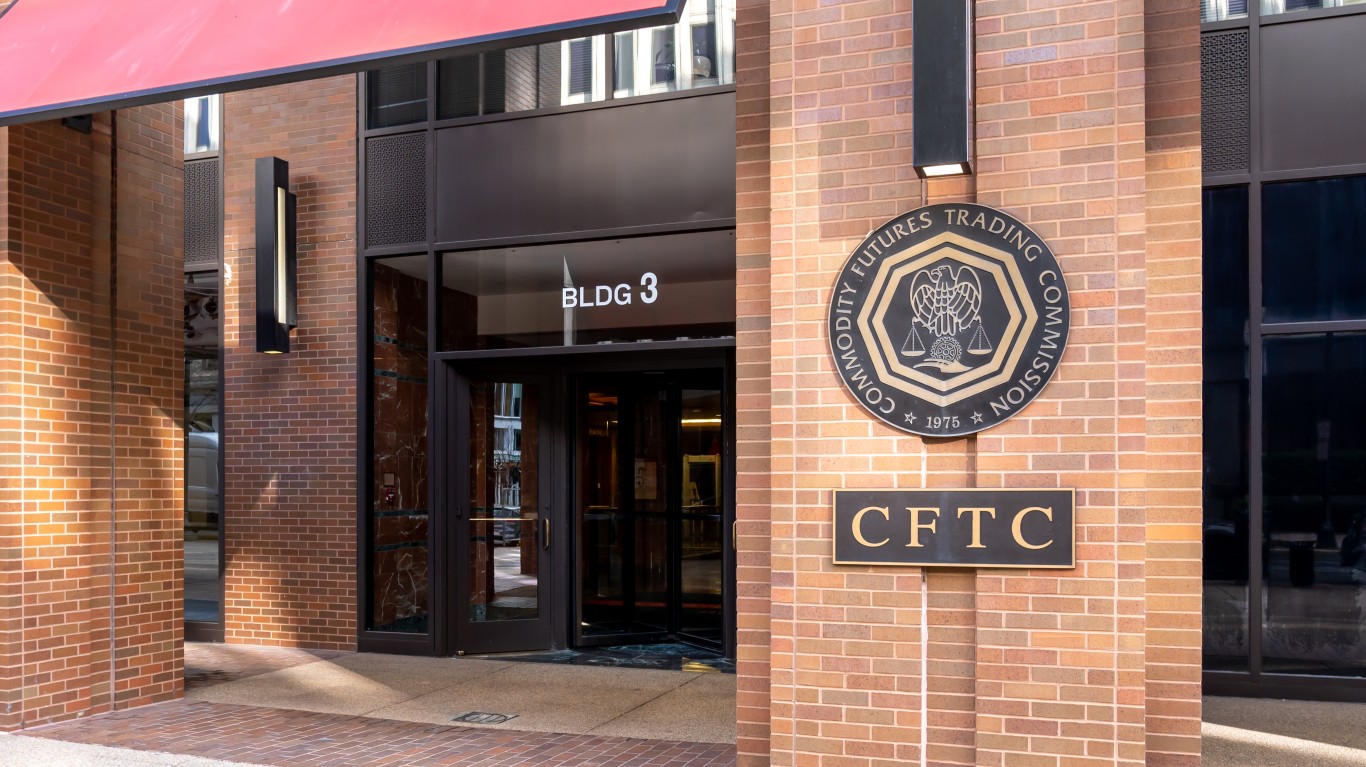
In an internal memo from the U.S. Commodities Futures Trading Commission (CFTC), the U.S. regulator said that the “international organizations and major oil companies uniformly objected” to the mandatory reporting requirements and to the use of only concluded deals. The Financial Times reports that the final draft of the benchmarking regulation proposes merely that benchmark pricing be set as it currently is and that “there is no requirement on any physical market oil participant to submit transaction data.”
For the crude market the proposed ruling means that the current system under which agencies like Platts gather bids, offers and trades and then derive a price will remain in force. If this sounds a bit like how the Libor rates were conjured, that’s because it is. And so it will remain.
Paul Ausick
Contact [email protected] for any questions or corrections.
Paul Ausick has been writing for 247Wallst.com for more than a decade. He has written extensively on investing in the energy, defense, and technology sectors. In a previous life, he wrote technical documentation and managed a marketing communications group in Silicon Valley.
He has a bachelor's degree in English from the University of Chicago and now lives in Montana, where he fishes for trout in the summer and stays inside during the winter.