How Analysts Rate Shell Midstream Partners
ThinkstockThe quiet period for Shell Midstream Partners, L.P. (NYSE: SHLX) has been lifted and analysts are beginning to weigh in on the company and its post-IPO performance. While oil prices and many oil companies have seen their shares hit, this…

 The quiet period for Shell Midstream Partners, L.P. (NYSE: SHLX) has been lifted and analysts are beginning to weigh in on the company and its post-IPO performance. While oil prices and many oil companies have seen their shares hit, this MLP’s post-IPO performance has largely avoided the carnage — and that was after a massive pop on its debut. This MLP IPO’s size alone will have generated massive interest.
The joint bookrunners for the offering were Barclays, Citigroup, Morgan Stanley and UBS Investment Bank. Co-managers were Credit Suisse, Goldman Sachs, J.P. Morgan, Wells Fargo Securities, RBC Capital Markets and Credit Agricole CIB.
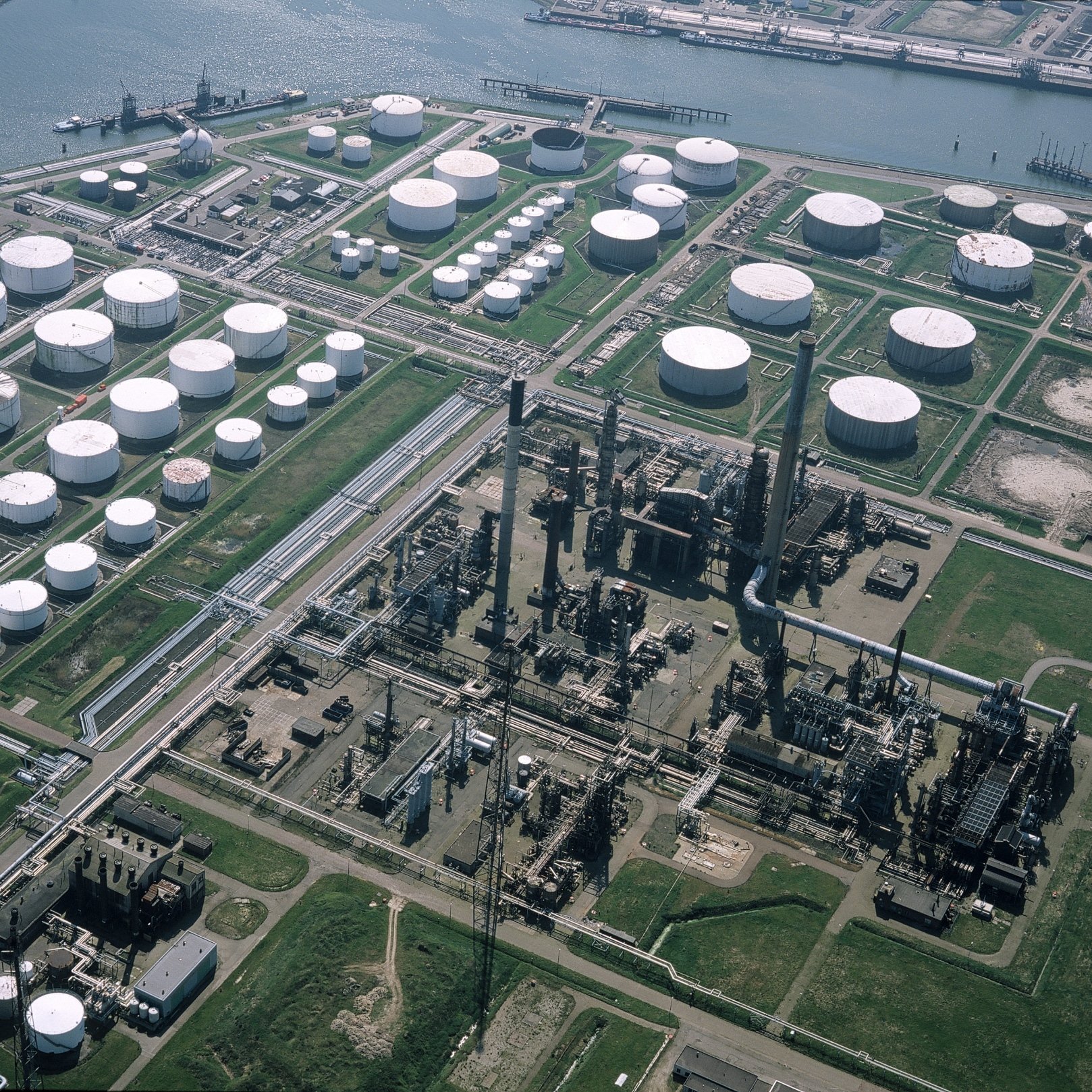
Shell Midstream Partners is a master limited partnership (MLP) formed by an affiliate of Royal Dutch Shell PLC (NYSE: RDS-A) to own and operate crude oil and refined product pipelines in the Gulf Coast region of the United States.
For the offering, units were priced at $23, originally thought to be within the projected price range of $19 to $21. Shares entered the market at $32.00, 39% up from the pricing. There were 37.5 million units in the offering, with the potential to add another 2.5 million.
The originally projected price range expected to raise $750 million at a market value of around $1.35 billion. However, the pricing at $23 gave Shell the potential to raise up to $920 million. The Wall Street Journal reported that this was the largest MLP IPO in over a decade.
With the quiet period for Shell Midstream having just ended, analysts can now make their calls for this MLP:
- Barclays initiated coverage with an Overweight rating and a price target of $44
- Morgan Stanley initiated coverage with an Equal Weight rating and price target of $42
- Citigroup started it as a Buy rating with a price target of $48
- UBS started Shell Midstream at a Buy rating and a price target of $40
Please note that this report may be updated after the other brokerage firm analysts chime in with their official ratings.
It will be interesting to see what these companies can do going forward considering the risks of falling oil prices that could be seen on a longer-term basis. Although over the past month, neither of the companies’ stocks seem to have been effected by the fall in oil prices, roughly 6.5% to $76.61.
Since the IPO Shell Midstream’s units have remained within the range of $31.50 to $37.50, after the pricing at $32.00. The stock was recently trading up 2% at $35.99 in the first two hours of trading. The company has a market cap of almost $5 billion.
Royal Dutch Shell shares were down over 1% at $70.97 in the first two hours of trading. Since the spin-off on October 29, this company’s shares had remained relatively unchanged only moving up less than 1% from $70.42. It has a total market cap of $224 billion. It has a 52-week range of $65.58 to $83.42.
Contact [email protected] for any questions or corrections.
Chris Lange is a financial and geopolitical writer with more than a decade of experience covering a myriad of topics. He has published thousands of articles for 24/7 Wall St., with past coverage focused heavily on stocks, IPOs, healthcare, defense, global affairs, and technology.
His work has been quoted, or referenced by a number of outlets including Business Insider, USA Today, Yahoo Finance, MSN, The Motley Fool, and many other publications. A graduate of Southwestern University, he studied business with a focus on investments and has previous experience in banking and startups.
When not reading or writing the news, he is following his passion for Lacrosse, playing chess, or building solar projects with his dad.