What the Federal Government Loses in Royalties From Cheap Oil
Low oil prices are sure to have an impact on producers, and they are equally certain to have an impact on how much the federal government collects for the sale of energy resources located on federal property.

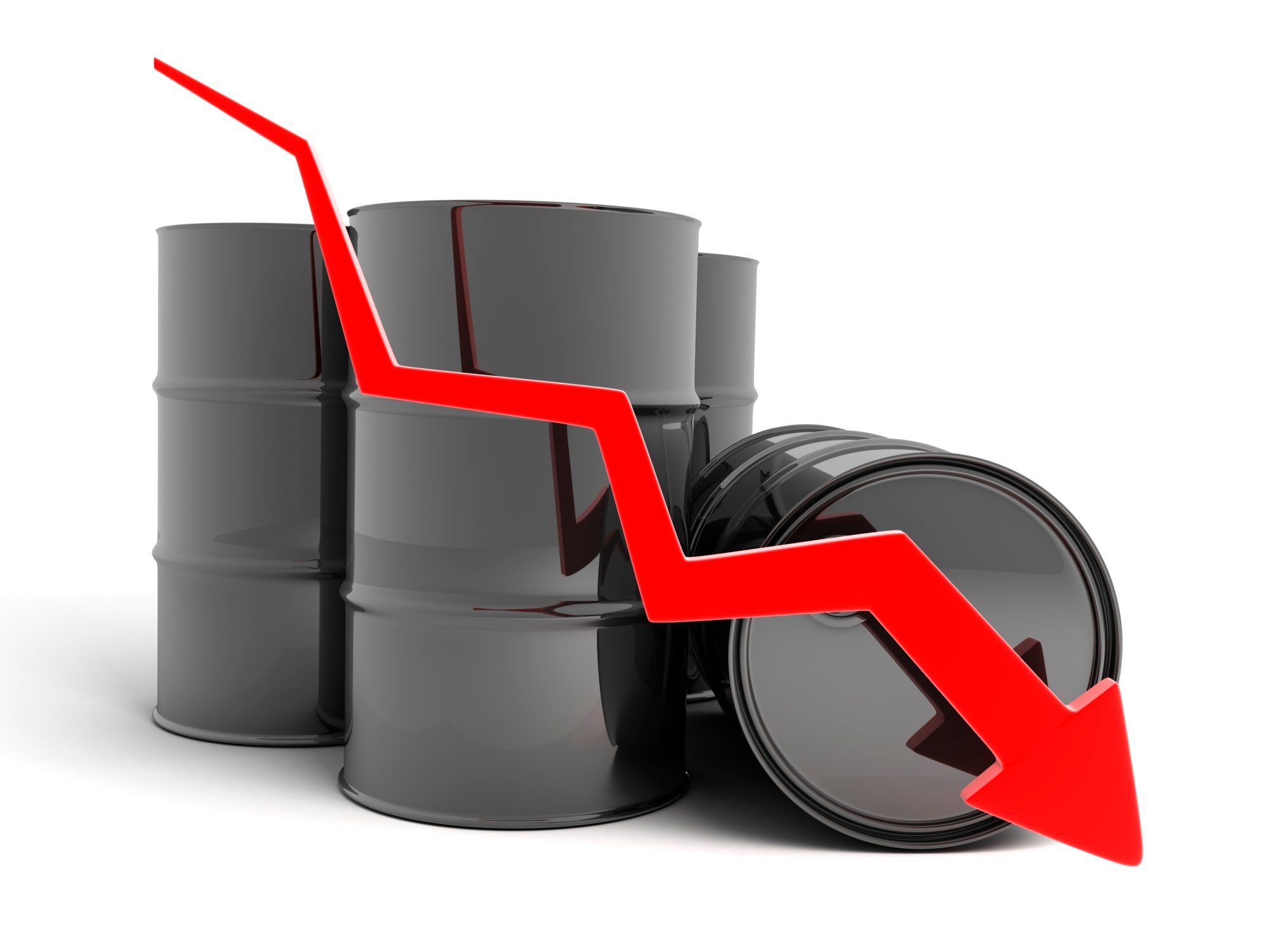 West Texas Intermediate (WTI) crude oil has traded below $60 since the current trading session started on Thursday evening. The price has posted yet another five-year low at $58.80 and is struggling to remain above $59 Friday morning. The low prices are sure to have an impact on producers, and they are equally certain to have an impact on the amount the federal government collects for the sale of energy resources located on federal property.
The federal government receives payments from producers in three main ways: royalty payments on produced volumes; bonus payments (i.e., the winning bids on lease sales); and rents that are payments the leaseholders make until production begins.
Between 2003 and 2013, oil producers have paid $48.3 billion in royalties to the federal government. That is slightly less than half of total royalty payments of $98.8 billion for the same period for all energy commodities.
In 2013, the federal government received more than $7 billion in royalty payments from oil producers. The average spot price for WTI in 2013 was just under $98 a barrel. In 2009, the last time that oil prices fell at the current pace, royalty payments totaled just $2.89 billion. In that year, the average spot price for a barrel of WTI was $61.95. In 2010, when the average spot price was just under $80 a barrel, total royalty payments for oil production came in at $5.04 billion.
ALSO READ: Is This the Second Worst Oil Chart of the Modern Era?
Bonus payments in 2013 totaled $1.6 billion from both onshore and offshore lease sales. Two lease sales in the Gulf of Mexico generated bonus payments of $1.32 billion. Oil and gas rents generated $284 million in payments to the federal government in 2013.
Royalties get hit the hardest by low crude oil prices, but look at what happens with lease sales. In 2008, when the oil industry and nearly everybody else still believed that demand for oil (and prices) would rise forever, lease sales (bonuses) generated $9.5 billion in federal revenue. That total dropped to $1.26 billion in the annus horribilis of 2009 and dropped even further, to $1.05 billion in 2010 and tanked to just $327 million in 2011.
Some of the drop in bonus payments is certainly due to the expected oil and gas reserves in the areas on offer. But a drop from $9.5 billion in 2008 to just $1.6 billion in 2013 is also dialing back on expectations of market prices.
Since 2013 the headline royalty rate the federal government collects on new deepwater (greater than 400 feet) oil and gas leases in the Gulf of Mexico is 18.75%. There are a number of ways that producers can lower the rate through royalty relief programs. The rate for new offshore leases was raised to 16.67% in 2007 from 12.5% where it had been for decades. The onshore federal royalty rate is still 12.5%, where it has been for nearly 100 years.
The Department of Interior’s Bureau of Ocean Energy Management has two offshore lease sales scheduled for 2015: sale number 235 is slated for March 18 and sale number 246 is currently only tentatively planned for 2015.
Can the federal government stand the loss of anywhere from $2 billion to $5 billion in oil royalty payments and perhaps some decline in the $1.6 billion collected in 2013 as bonus payments? Sure. After all, federal spending for the 2015 fiscal year tops $1.1 trillion. And then there are lower tax collections from the producers in addition to possible layoffs leading to lower individual income tax collections. Low oil prices may be a mixed blessing after all.
ALSO READ: Refineries Not Acting How They Should With Falling Oil Prices
Contact [email protected] for any questions or corrections.
Paul Ausick has been writing for 247Wallst.com for more than a decade. He has written extensively on investing in the energy, defense, and technology sectors. In a previous life, he wrote technical documentation and managed a marketing communications group in Silicon Valley.
He has a bachelor's degree in English from the University of Chicago and now lives in Montana, where he fishes for trout in the summer and stays inside during the winter.