US Oil Rig Count Flat, Price on Track to Close Up About 2% for the Week
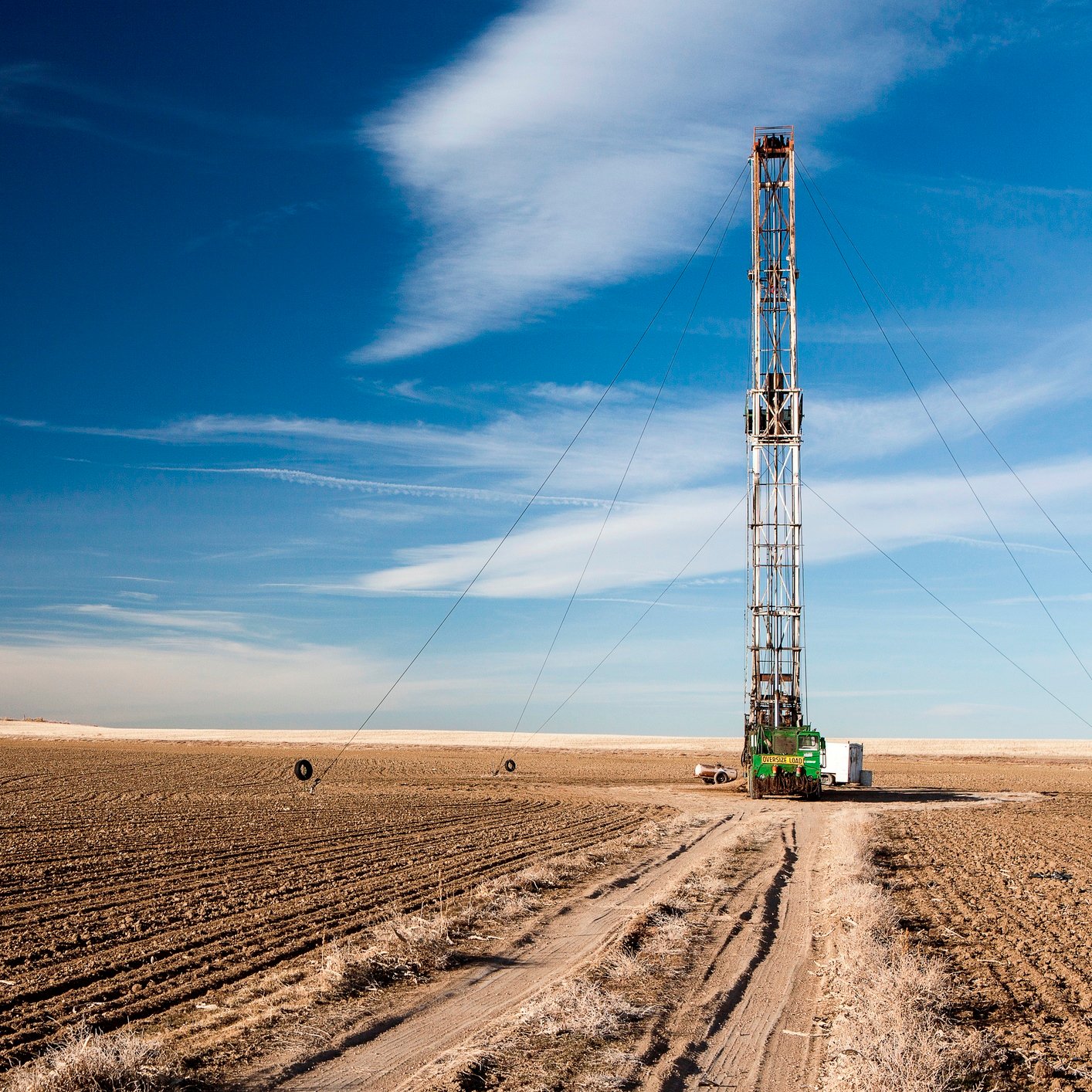
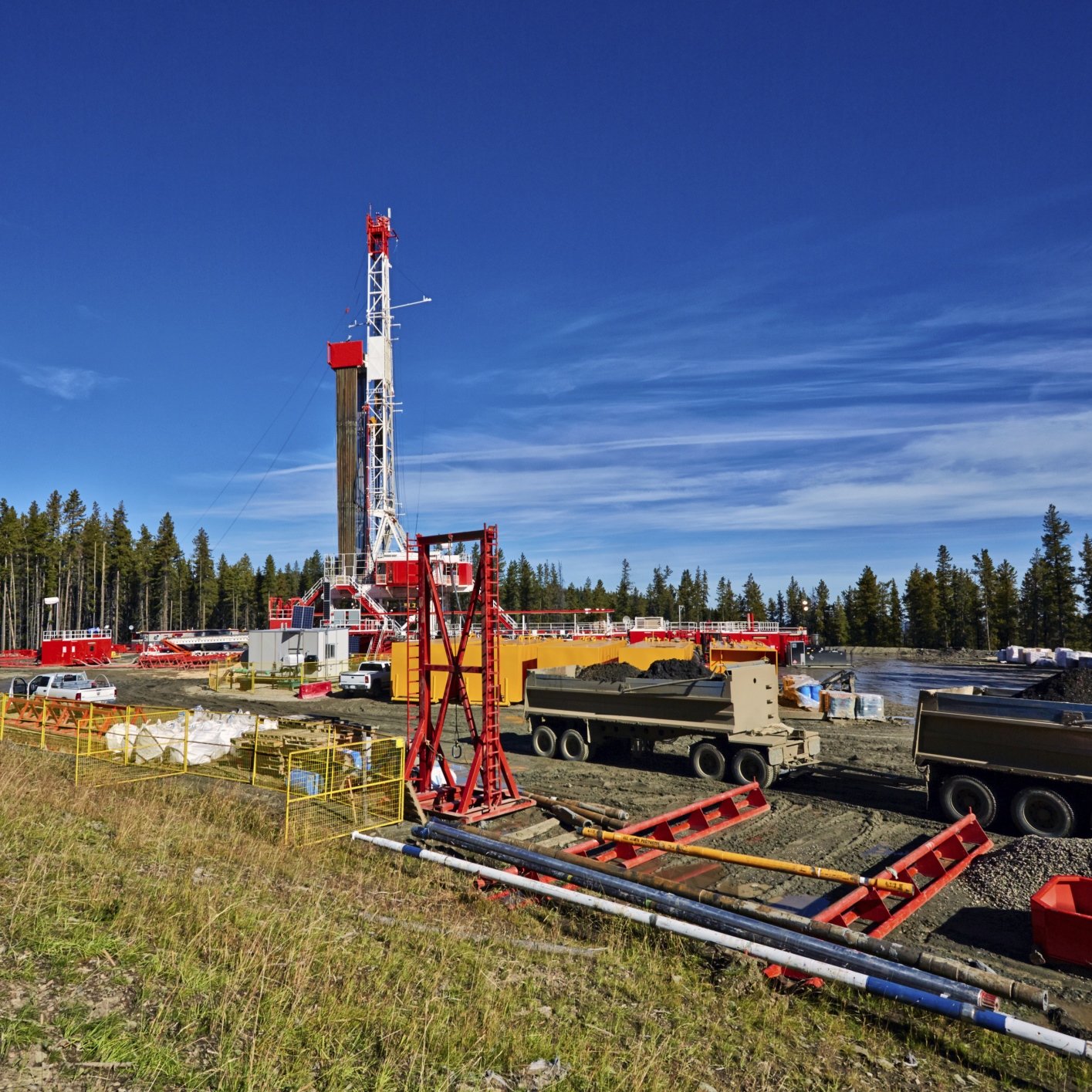
The U.S. land rig count increased by one this week to 931 working oil and gas rigs. The oil rig count was unchanged. Crude prices remain on track for a gain of 1% to 2% for the week.


In the week ended December 22, 2017, the number of rigs drilling for oil in the United States totaled 747, unchanged from the prior week and up by 224 compared with a total of 523 a year ago. Including 184 other rigs drilling for natural gas, there are a total of 931 working rigs in the country, one more week over week and up by 278 year over year. The data come from the latest Baker Hughes North American Rotary Rig Count released on Friday.
West Texas Intermediate (WTI) crude oil for February delivery settled at $58.36 a barrel on Thursday and traded down about 0.2% Friday afternoon at $58.26 shortly before regular trading closed.
The natural gas rig count rose by one to 184 this week. The count for natural gas rigs is now up by 55 year over year. Natural gas for February delivery traded up about 2.1% at around $2.65 per million BTUs before the count was released and was essentially unchanged afterward.
The U.S. Energy Information Administration noted changes in producer hedging in its weekly status report:
Financial statements from the third quarter of 2017 for 47 U.S. oil production companies indicate that they hedged more than 1.2 million barrels per day (b/d) of crude oil at a weighted average price of $49.63 per barrel (b), locking in some of their revenues at a fixed price even if oil prices decline lower than $50/b. Since the end of the third quarter, weekly data from the U.S. Commodity Futures Trading Commission (CFTC) through December 12, 2017, suggest that producers likely increased their hedged volumes during the fourth quarter of 2017. West Texas Intermediate (WTI) crude oil prices reached their highest levels in more than two years in November and December, allowing many producers to hedge their future production at more than $50/b.
This is important because if frees up cash that producers can use to rebuild their balance sheets, return to investors or invest in more production. Probably in that order this year.
Among the states, New Mexico added four rigs last week and North Dakota had one more. Texas and Wyoming each lost two rigs and Oklahoma one less.
In the Permian Basin of west Texas and southeastern New Mexico, the rig count now stands at 398, down by one compared with the previous week’s count. The Eagle Ford Basin in south Texas has 70 rigs in operation, unchanged week over week, and the Williston Basin (Bakken) in North Dakota and Montana now has 49 working rigs, one more for the week.
Contact [email protected] for any questions or corrections.
Paul Ausick has been writing for 247Wallst.com for more than a decade. He has written extensively on investing in the energy, defense, and technology sectors. In a previous life, he wrote technical documentation and managed a marketing communications group in Silicon Valley.
He has a bachelor's degree in English from the University of Chicago and now lives in Montana, where he fishes for trout in the summer and stays inside during the winter.