Crude oil inventories dropped last week, ahead of the major impact from tropical storm Harvey, but gasoline inventory levels are keeping pressure on crude prices. That could change when next week's report is released.
These are three solid plays for what may be a slow growth sector going forward. The focus on free-cash-flow generation is smart, and in a pricey market, they make good sense for 2017 and…
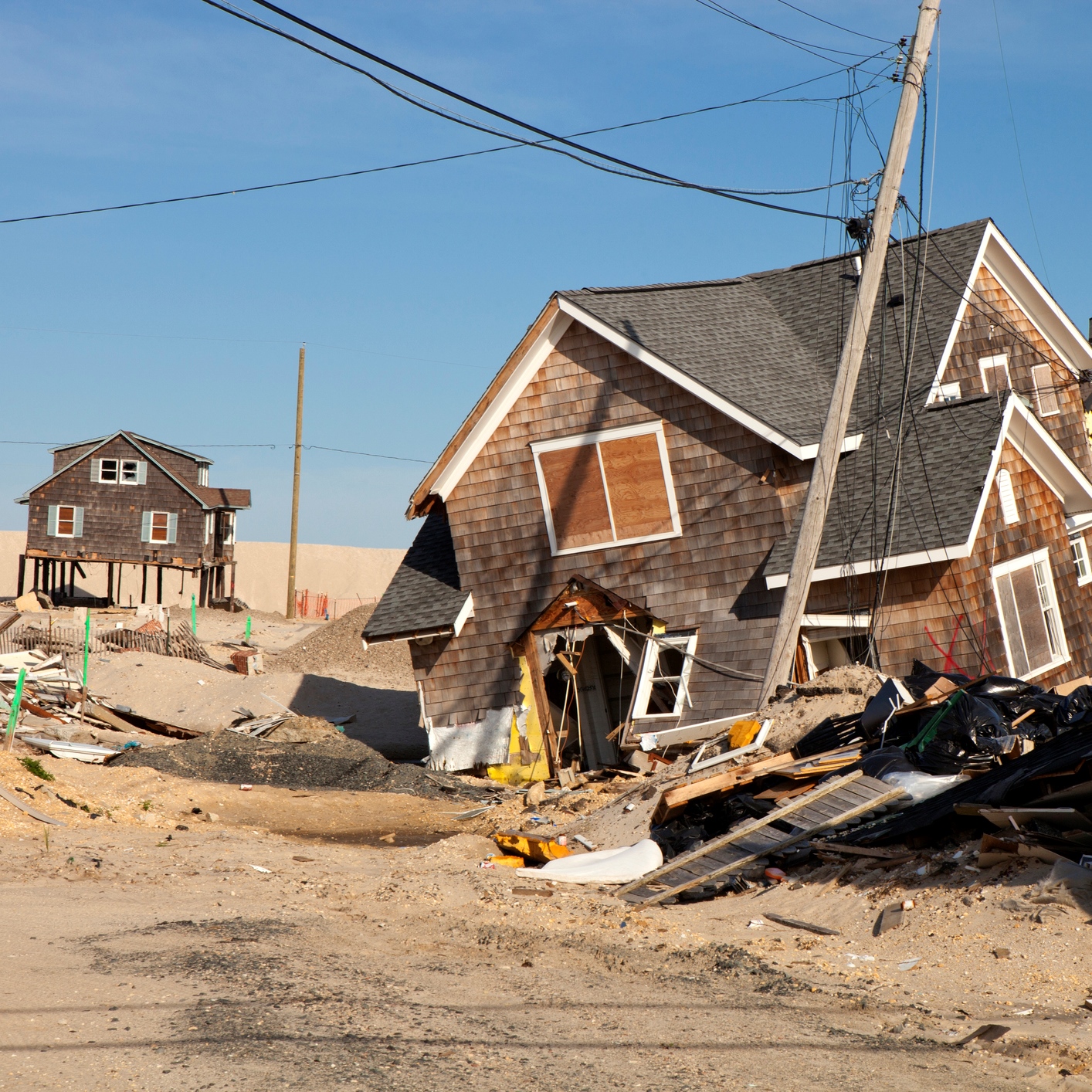
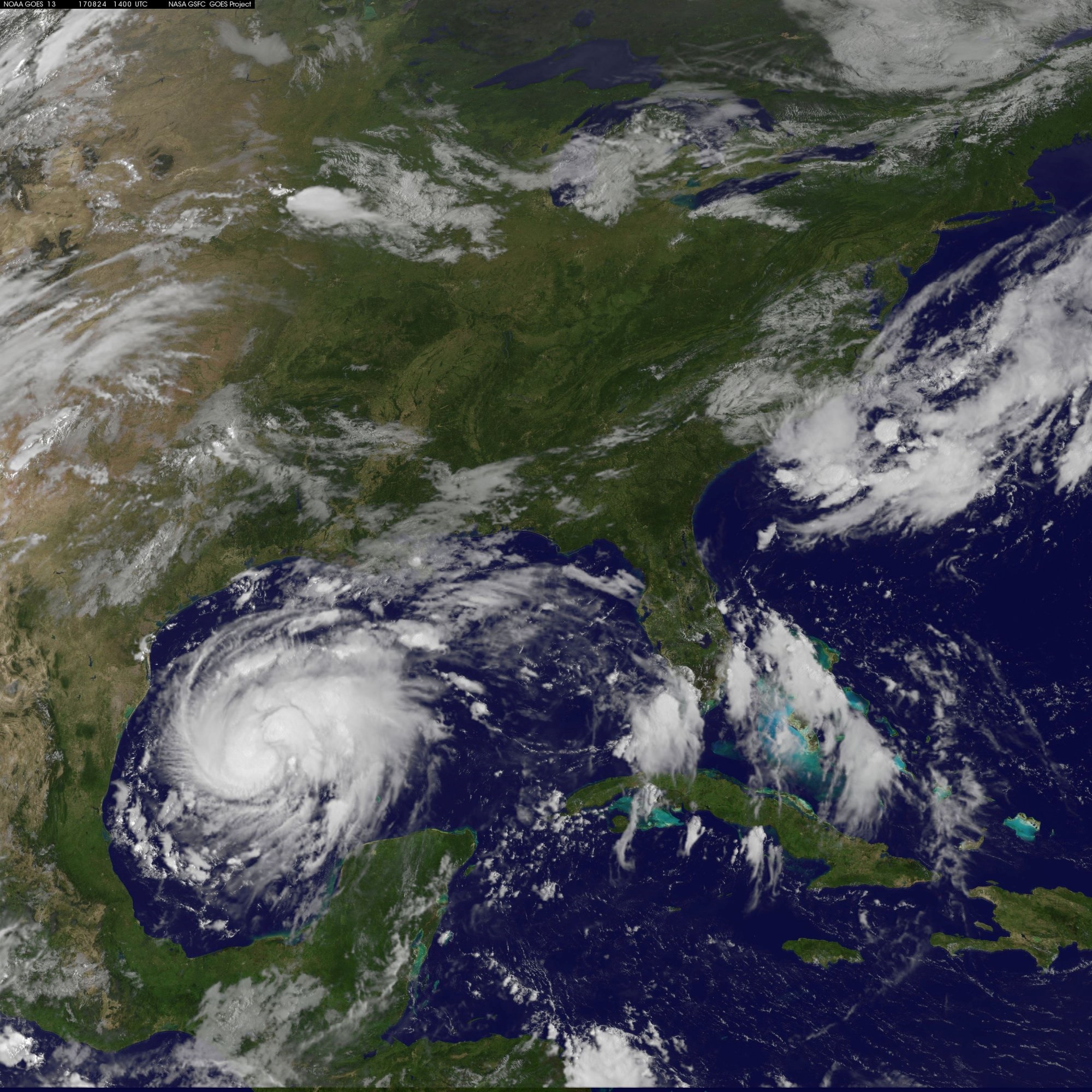
Tropical storm Harvey is expected to dump more rain Tuesday on already-saturated areas around Houston. Oil and gas production is restarting, but refining capacity is returning more slowly.
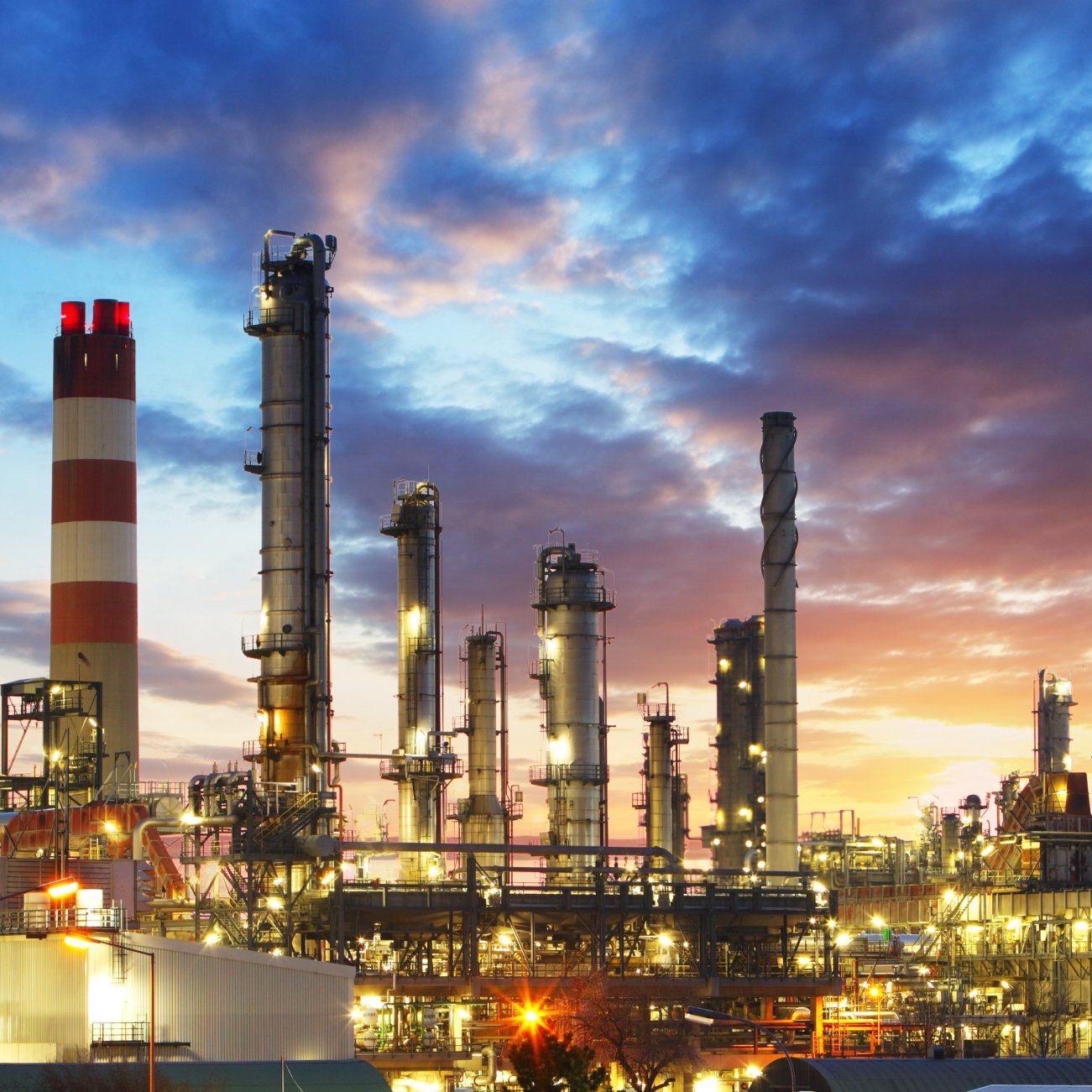
Tropical storm Harvey has forced the closure of about 2.2 million barrels a day of refining capacity along the Texas Gulf Coast. Offshore and onshore oil production is also being curtailed.
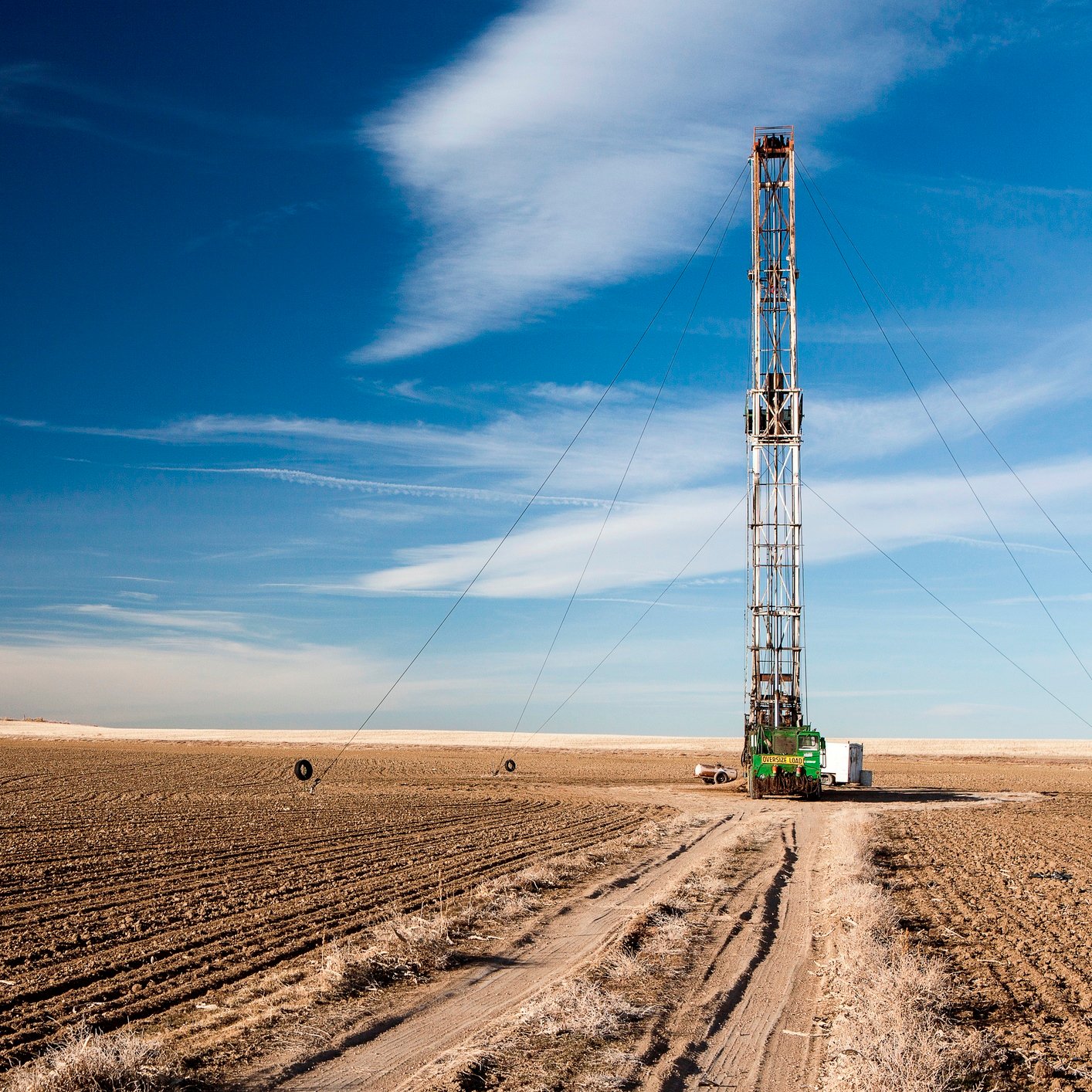
The U.S. onshore rig count fell by a total of six this week, with a decline of four rigs drilling for oil. The number of oil rigs still working is more than 350 higher…
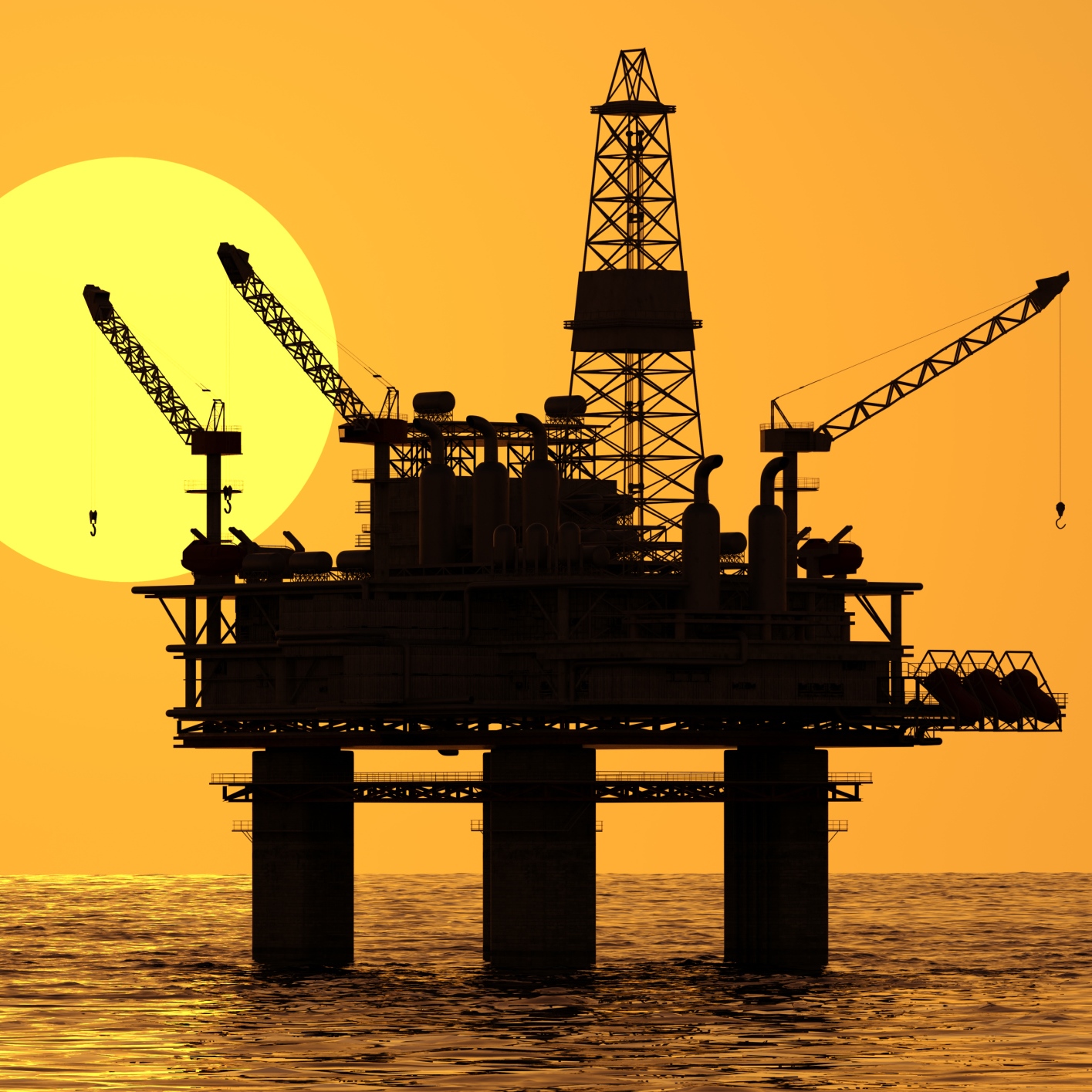
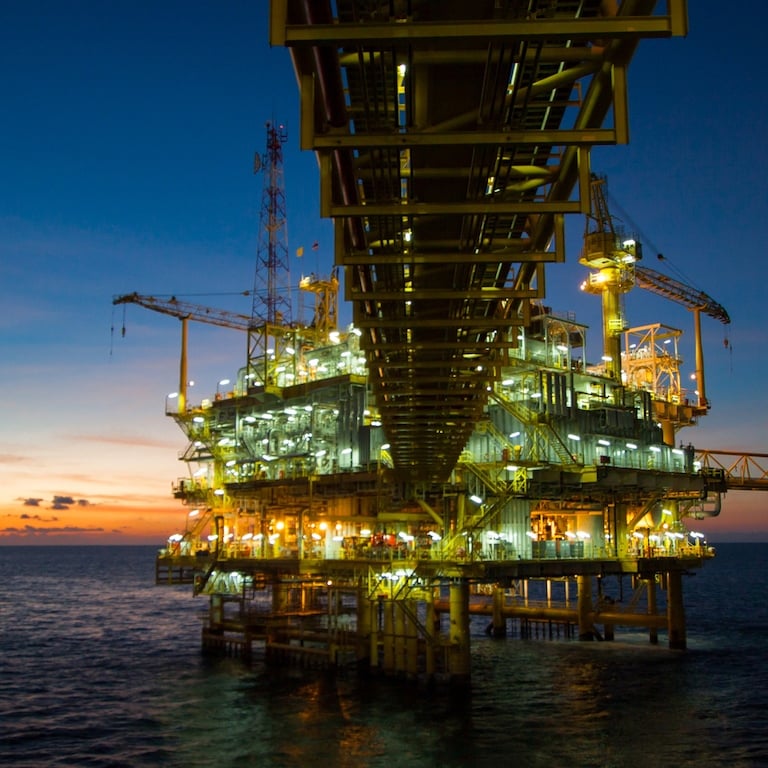
Hurricane Harvey is on course to deliver winds of at least 110 mph along the mid-Texas coast and up to 35 inches of rain in some areas. Gulf of Mexico platforms are shutting down…
The August 15 short interest data have been compared with the previous figures, and short interest moves for most of the selected oil stocks were downward.
These top MLPs remain solid picks in a low-yield environment, especially when you consider the underperformance of energy during the first half of 2017 and the solid prospects for the rest of the year…
Short interest in solar stocks rose slightly in the two-week reporting period that ended August 15, while short interest in alternative fuel stocks was mixed.
Tropical storm Harvey is expected to become a hurricane before it lashes the Texas coast late Friday or early Saturday with strong winds and very heavy rainfall.
Natural gas stockpiles in U.S. storage tanks rose by less than expected last week, giving the price a small lift. Cooler weather over much of the country next week could dampen demand further.
Exxon Mobil publicly raised doubts about the dangers of climate change for nearly four decades, even as company scientists and executives privately acknowledged the growing threat, according to a new study,