COVID-19: This Is the Safest State to Be in as Cases Soar
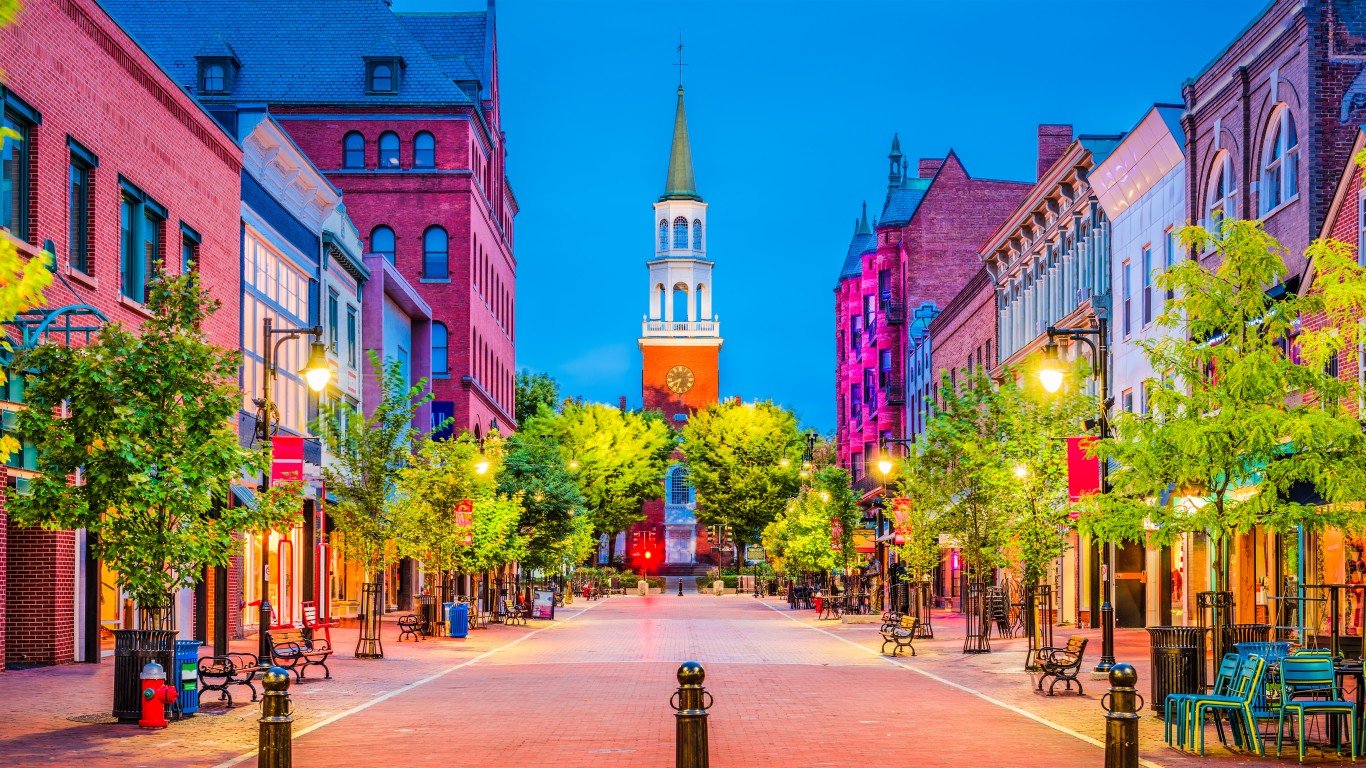
One state is clearly the safest right now, based on confirmed COVID-19 cases per 100,000 people. It is also the state with the lowest number of total cases.

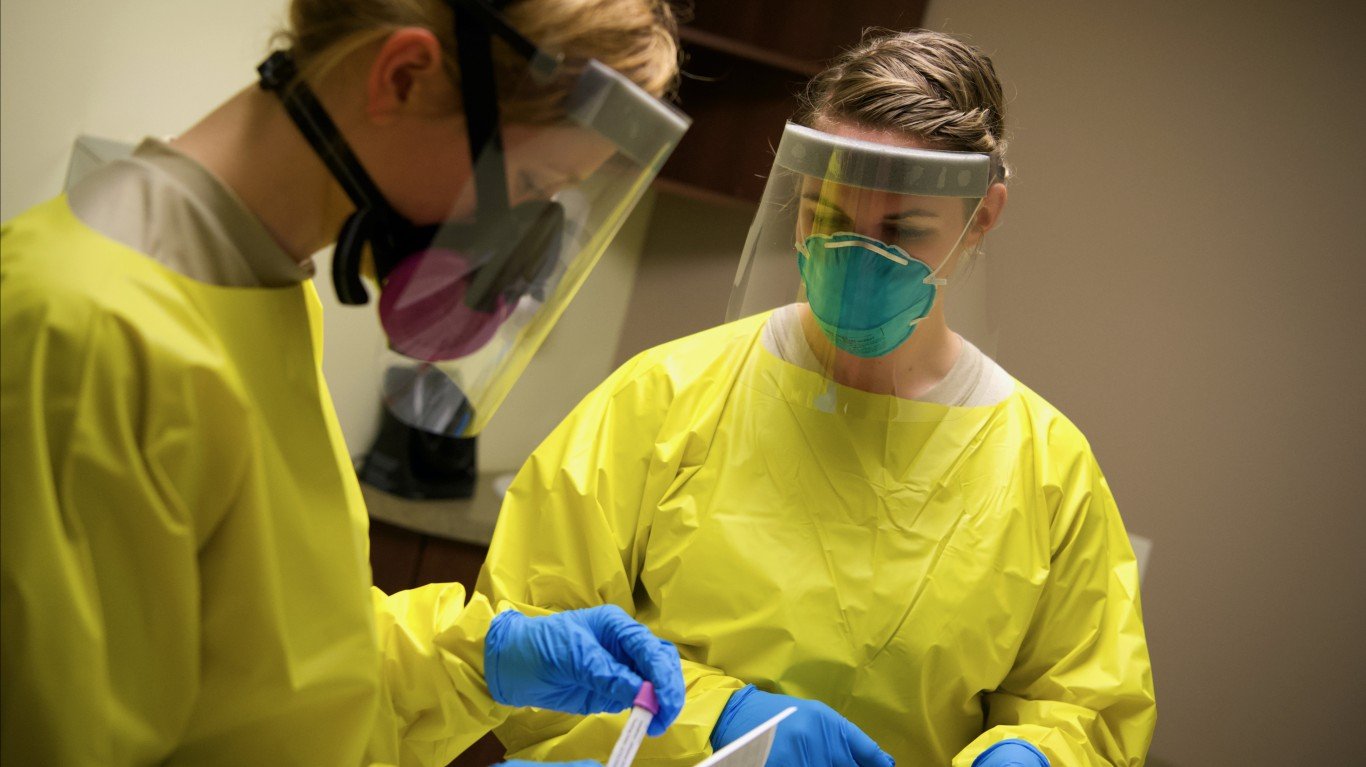
Confirmed COVID-19 cases in the United States soared by over 139,000 yesterday, and the total figure is almost 1.4 million. Daily confirmed case rates have risen above 100,000 most days in the past week. Fatal cases reached 240,241, after rising by 1,448. It has been months since coronavirus deaths crossed the 1,000 a day level. The presence of confirmed and fatal cases can be extremely different from state to state. One state is clearly the safest right now, based on confirmed cases per 100,000 people. It is also the state with the lowest number of total cases.
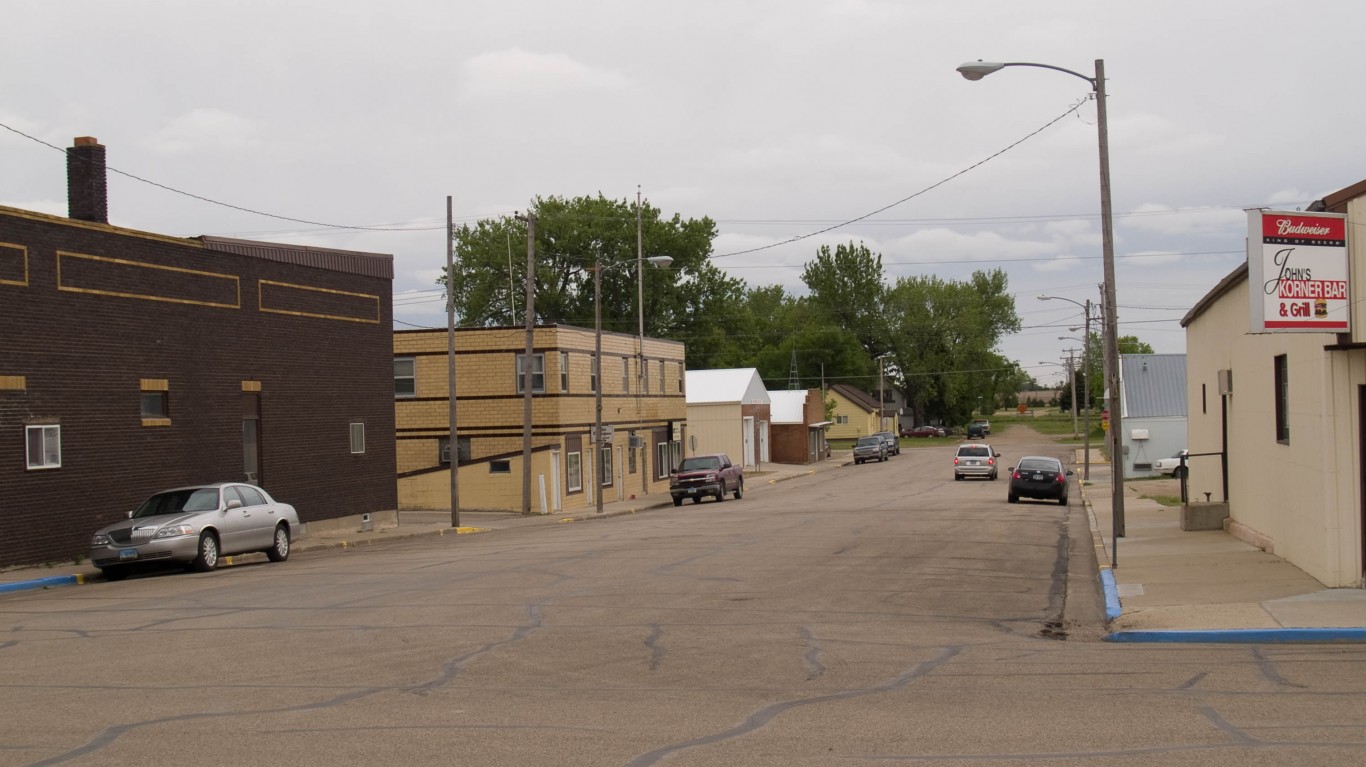
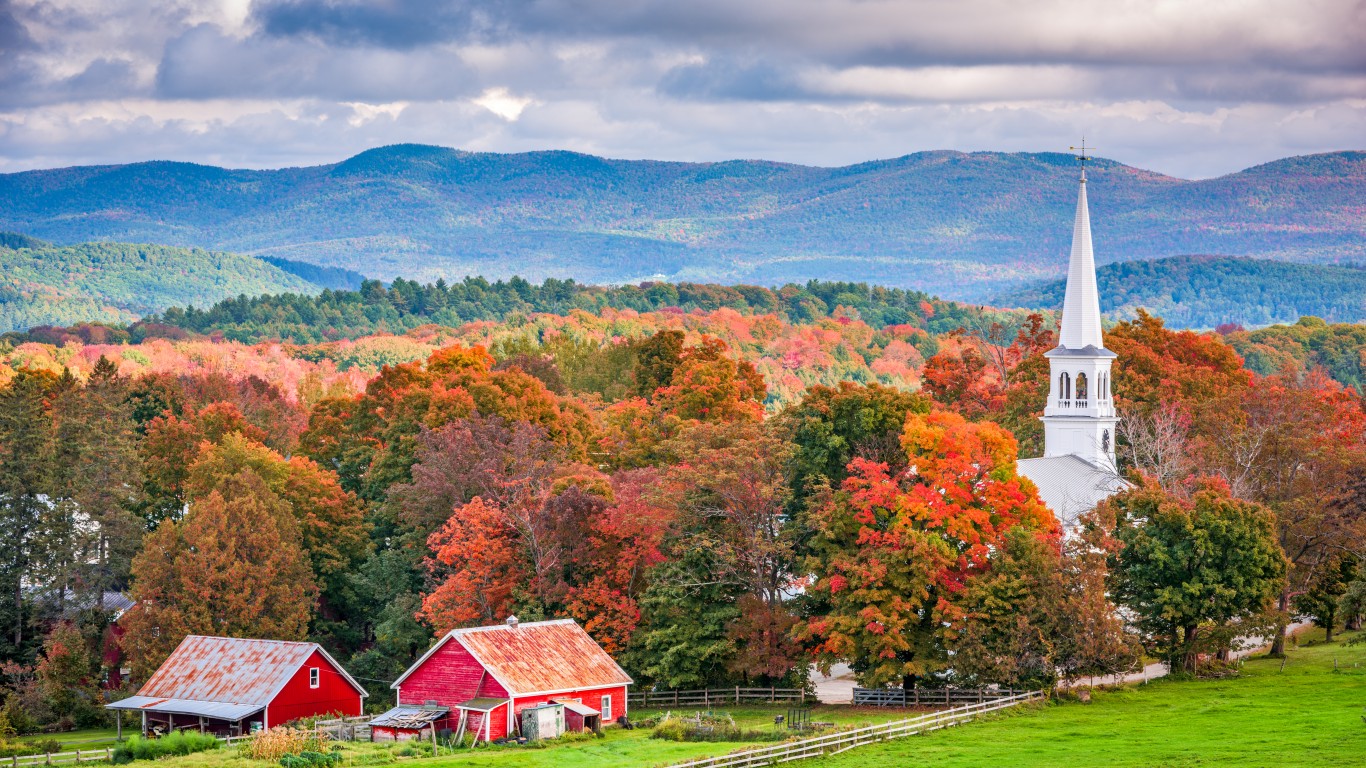
The confirmed case count in Vermont is 5.2 per 100,000, based on the daily average of the past seven days. That contrasts to 171.8 per 100,000 in hardest-hit North Dakota. The number of fatal cases in Vermont is so low that it does not make sense statistically to use the “per 100,000 people” measure. The death rate by that yardstick is highest in North Dakota at 2.2.
Vermont is also in the region where the spread of the disease is slowest. The Northeast was hit hard early, in March and April. Most of the devastation in the areas was in New York, Connecticut and Massachusetts, while Vermont, Maine and New Hampshire suffered much less. Across the entire area, confirmed case counts have risen slowly in the past several days compared with other regions. However, as they have started to pick up nationally, even this region has seen a jump in cases.
The spread of the disease most recently has been extremely aggressive in the Mountain States and Midwest. The rate of confirmed cases increases in North and South Dakota, Wisconsin, Nebraska, Montana and Idaho have been described as out of control.
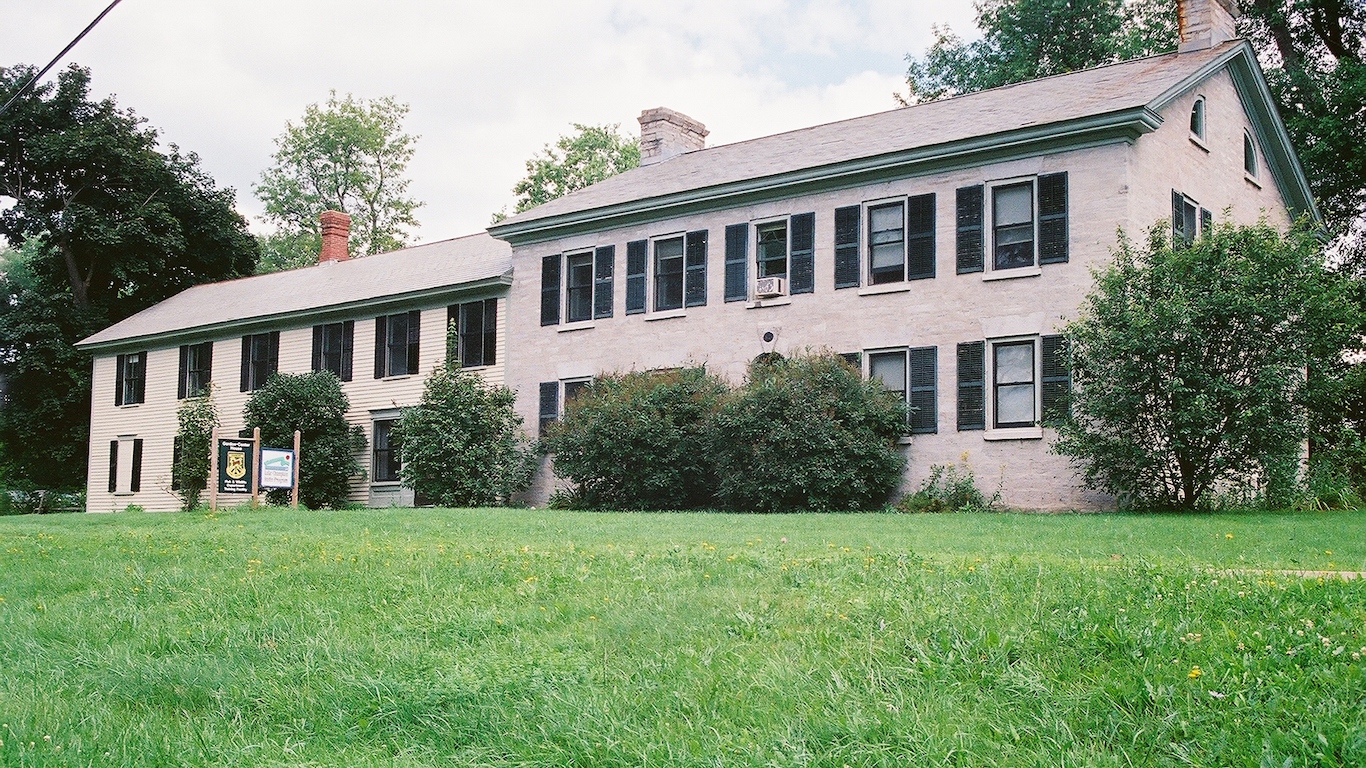
The number of confirmed cases on an absolute basis is also the lowest in Vermont by far. It is currently 2,462. Maine is the second highest at 8,060, and the third lowest is New Hampshire at 12,919. Vermont is the second-smallest state by population at 623,989. By contrast, Wyoming is the least populated state at 578,759, but it has 19,242 confirmed cases.
Why is the Vermont count so low when other small states by population in the West are so much worse off? Its measures to control the disease have been so effective that Dr. Anthony Fauci has mentioned it as a model for other states.
The first reason is likely that people in the state are healthy in general. It has a relatively low number of people who are obese, one of the factors in people who are particularly hard hit by the disease and die more often compared with people of normal weight. The Centers for Disease Control and Prevention (CDC) has measured obesity in Vermont as among the lowest across the 50 states and Puerto Rico.
People in the state also have been particularly strict in social distancing and mask wearing. Part of this is because of the state-regulated size of gatherings and closing schools and restaurants.
Vermont also has been extremely aggressive in efforts to keep people from other parts of the country from entering the state without then quarantining for 14 days.
Unfortunately, most states have ignored Dr. Fauci’s advice and have not taken the same measures Vermont has. While the measures have made Vermont safe, the lack of them elsewhere has helped fuel the recent rapid spread of the disease.
Contact [email protected] for any questions or corrections.
Douglas A. McIntyre is the co-founder, chief executive officer and editor in chief of 24/7 Wall St. and 24/7 Tempo. He has held these jobs since 2006.
McIntyre has written thousands of articles for 24/7 Wall St. He is an expert on corporate finance, the automotive industry, media companies and international finance. He has edited articles on national demographics, sports, personal income and travel.
His work has been quoted or mentioned in The New York Times, The Wall Street Journal, Los Angeles Times, The Washington Post, NBC News, Time, The New Yorker, HuffPost USA Today, Business Insider, Yahoo, AOL, MarketWatch, The Atlantic, Bloomberg, New York Post, Chicago Tribune, Forbes, The Guardian and many other major publications. McIntyre has been a guest on CNBC, the BBC and television and radio stations across the country.
A magna cum laude graduate of Harvard College, McIntyre also was president of The Harvard Advocate. Founded in 1866, the Advocate is the oldest college publication in the United States.
TheStreet.com, Comps.com and Edgar Online are some of the public companies for which McIntyre served on the board of directors. He was a Vicinity Corporation board member when the company was sold to Microsoft in 2002. He served on the audit committees of some of these companies.
McIntyre has been the CEO of FutureSource, a provider of trading terminals and news to commodities and futures traders. He was president of Switchboard, the online phone directory company. He served as chairman and CEO of On2 Technologies, the video compression company that provided video compression software for Adobe’s Flash. Google bought On2 in 2009.