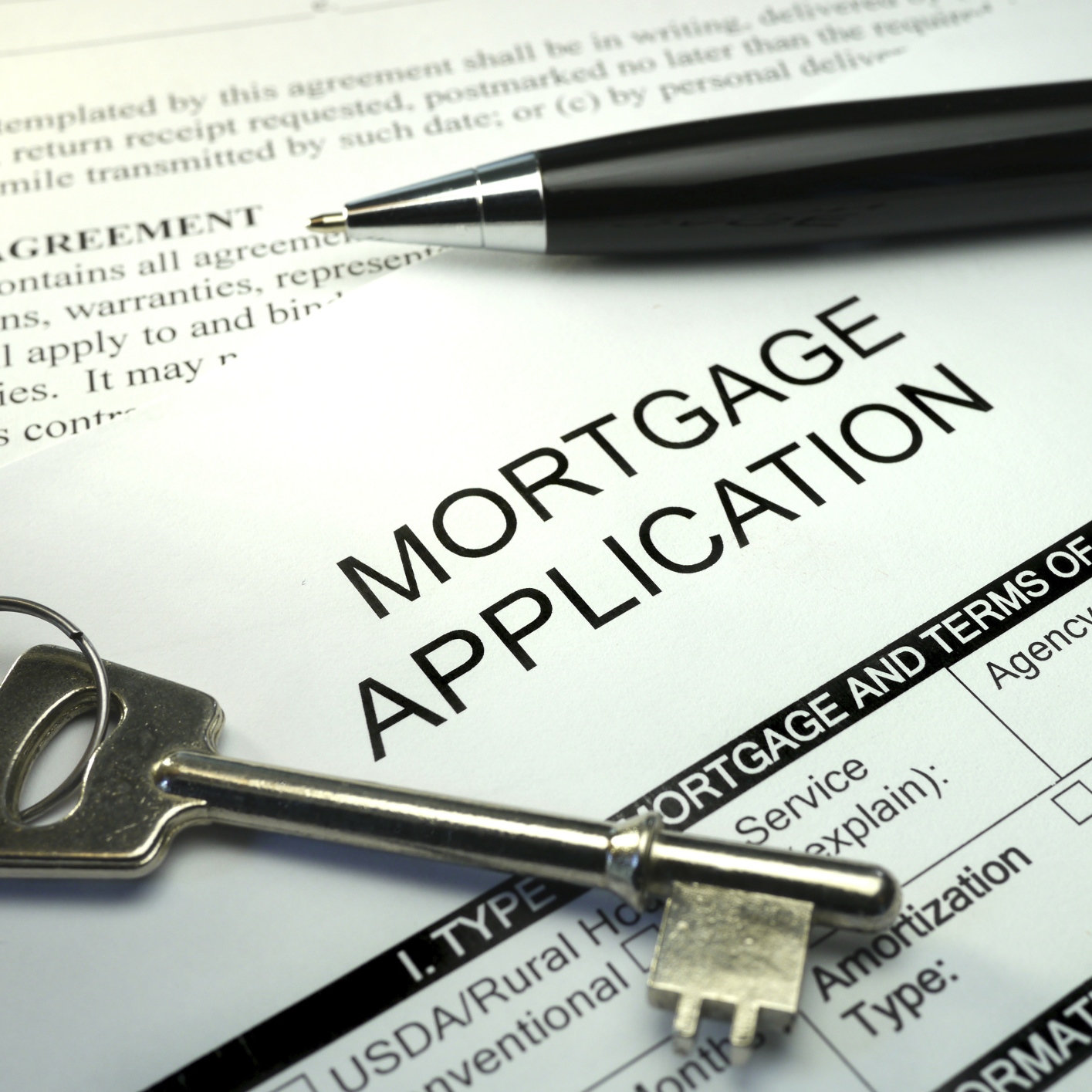
Documents You’ll Need to Get Approved for a Mortgage
Before a lender hands over hundreds of thousands of dollars, they dig deep into your financial life, and showing up unprepared can stall or kill your approval. Knowing exactly what paperwork to gather puts you ahead of most buyers walking…


Getting approved for a mortgage is one of the first major steps in the home-buying process. But it’s not always so easy and usually comes with a lot of paperwork. Lenders need to know you are a reliable borrower. They want to review your finances to make sure you can comfortably afford the loan. This means you need to provide documented proof of your income, employment history, savings, and existing debt. Having these documents ready ahead of time can make the mortgage process faster and more manageable. While every lender will have slightly different requirements, these are the most common documents a lender will ask for.
1. Proof of Employment
For obvious reasons, lenders want to see that you have a steady source of income. They also want to know you have a reliable work history, though employment-history requirements depend on the situation and income type. Typically, lenders like to see information about your current employer. It’s possible they’ll want to look at your employment history from the past two years as well. This helps the lender analyze whether your income is consistent enough to be able to make monthly mortgage payments.
2. Proof of Income
Your lender will need to verify how much money you earn annually. This is usually proven through pay stubs, W-2 forms, and other tax documents. If you earn other types of income, like commissions, bonuses, residuals, or rental income, you will need documentation to support it. Other forms of income will need to be documented separately in various ways.
3. Social Security Number and Identification
Your Social Security number is needed to verify your identity and review your credit history. You may also need to provide a form of government-issued ID, like a driver’s license.
4. Tax Documents
Your lender will likely request W-2s or other tax documents to verify your income history. With certain income situations, your lender may ask for recent federal tax returns or tax transcripts. This is especially true for certain types of income, like self-employment. A borrower whose income comes entirely from W-2 employment might not have to provide complete federal tax returns.
5. Address History
Lenders might ask for your current address and previous addresses going back a few years, especially if you haven’t lived in your current home for very long.
6. Bank Account Statements
Your lender definitely wants to confirm that you have enough money for the upfront costs of the purchase. This includes your down payment and closing costs. They might require you to have savings reserves. To prove this information, you’ll need to hand over recent statements from checking accounts, savings accounts, or investment accounts.
7. Credit and Debt Information
Your credit history plays an important role in mortgage approval. You might make a decent salary, but if you have major debt, it can affect how much extra debt a lender thinks you can comfortably handle. Lenders will assess your current debts, including car loans, student loans, and credit cards. They will also look at other monthly financial obligations, such as child support. This information is used to calculate your debt-to-income ratio, which is a big determinant of how much money you can realistically borrow.
8. Gift Letters (If Someone Helps with Your Down Payment)
If a family member or another person is giving you money to help buy your home, your lender might need what is called a gift letter. This document simply confirms that the money is a gift and does not need to be repaid. The lender might also ask for documentation showing where the gift came from and that the money was transferred.
Contact [email protected] for any questions or corrections.